
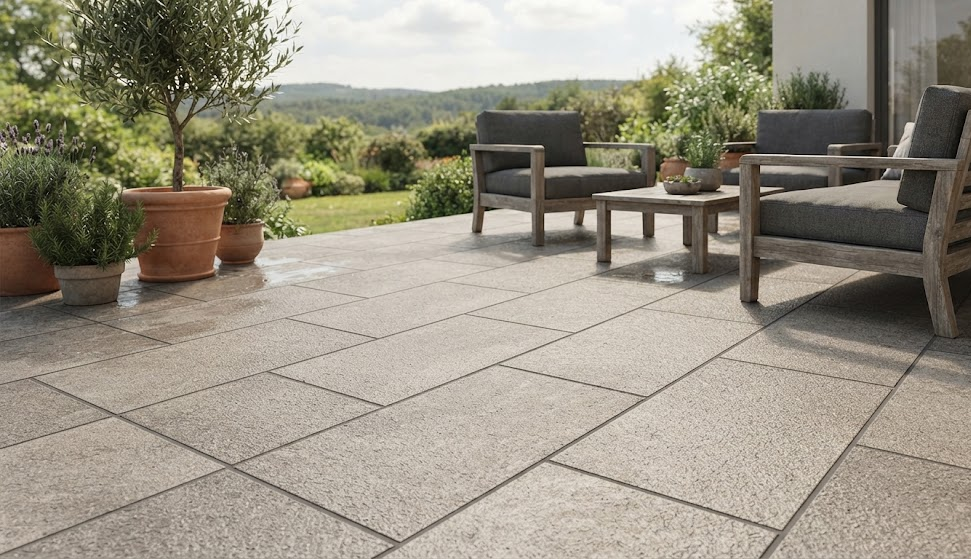
Finding the right outdoor tiles can dramatically enhance your living space while ensuring safety and durability. The balance between aesthetics and functionality is essential, especially in areas that experience varying weather conditions. Understanding slip resistance, material properties, and environmental resilience allows homeowners to make informed choices for long-lasting outdoor installations.
Understand Slip Resistance Ratings for Outdoor Tiles
When choosing outdoor tiles, slip resistance is a fundamental factor that directly influences safety. Various slip resistance ratings help consumers gauge how well a tile performs in wet conditions. The most common scale used is the Coefficient of Friction (COF), typically rated on a scale of 0 to 1, with higher values indicating a more slip-resistant surface. Understanding these ratings can guide you in selecting tiles that contribute to a safer outdoor environment.
Explore Surface Textures for Optimal Safety
A tile’s surface texture significantly influences its grip. Textured tiles, such as those with micro-structured finishes, create subtle ridges that help maintain traction by interrupting water flow. As rainfall or irrigation moisture settles, these textures become increasingly vital in reducing the risk of hydroplaning. For patios or balconies frequently exposed to water, opt for tiles with engineered textures that enhance stability.
Evaluate Material Options for Outdoor Tile Durability
The choice of material is equally important in ensuring that your tiles withstand outdoor elements. From natural stone to advanced porcelain options, each material has specific properties that can either enhance or limit performance. Understanding what each type offers can help you find a solution that meets both functional needs and aesthetic preferences.
Advantages of Porcelain Tiles for Outdoor Use
Porcelain tiles have gained popularity for their low porosity and durability. Their high-density composition allows them to resist cracking, surface wear, and moisture infiltration. This makes them suitable for various climates, ensuring a long-lasting solution for your outdoor spaces. Additionally, modern aesthetics have expanded to include various finishes and textures, allowing for creative design choices without compromising functionality.
Benefits of Natural Stone Tiles
Natural stone tiles, such as slate or granite, bring organic beauty and a unique character to outdoor environments. While these options can be aesthetically appealing, careful selection is essential. For instance, slate’s inherent texture makes it ideal for damp patios, while granite’s strength provides durability in high-traffic areas. Understanding the specific characteristics of each stone type will help homeowners achieve both style and resilience.
Consider Environmental Factors Influencing Tile Performance
Outdoor tiles face numerous environmental challenges that can impact their performance over time. Elements like UV radiation, moisture, and thermal expansion can cause wear and structural integrity issues. Therefore, your tiles must be suitable for your climate, especially concerning temperature fluctuations and sunlight exposure.
Resilience Against UV Radiation
UV stability is crucial for maintaining the coloration and appearance of outdoor tiles. High-temperature glazes and mineral-based pigments enhance visual clarity while resisting fading or chalking. Choosing materials like porcelain that are specifically designed to withstand intense sunlight will ensure that your outdoor space remains attractive year-round. This is especially vital for areas that receive prolonged sun exposure, such as balconies and pool decks.
Thermal Expansion: What to Know
Tiles will expand and contract with temperature changes, making thermal expansion stability another key consideration. Selecting materials that absorb heat predictably can help avoid dimensional distortion, ensuring that your tiles remain flat and structurally sound. This is particularly relevant for sun-exposed patios, where significant temperature swings can lead to bond failure if thermal dynamics are not adequately managed.
Installation Practices Ensuring Longevity
Even the best tiles will underperform without proper installation. Ensuring a stable substrate, integrating effective drainage solutions, and adhering to best practices can noticeably improve longevity.
Substrate Preparation: The Foundation of Tile Installation
Proper substrate preparation involves creating a consistent slope to guide water away from structures, minimizing pooling and moisture issues. This directional design reduces hydrostatic pressure that may compromise the tile assembly. Additionally, leveling uneven surfaces ensures uniform support, preventing weak spots that can lead to cracking or instability.
Utilizing the Right Mortars and Grouts
Employing exterior-rated mortars and grouts is essential for maintaining the bond in outdoor environments. These materials are engineered to offer flexibility and resistance to environmental stressors while maintaining aesthetics. Choosing high-performance, UV-stable options can also contribute to a consistent appearance over time, ultimately enhancing the longevity of your outdoor tile surfaces.
Selecting Tiles That Align with Personal and Environmental Needs
The process of choosing outdoor tiles encompasses various aspects, from aesthetics to performance characteristics. By prioritizing slip resistance, material properties, and environmental resilience, homeowners can enjoy a space that is both beautiful and safe. Whether considering the natural warmth of wood or the modern feel of porcelain, understanding these factors helps build a harmonious outdoor oasis.
Seek Professional Advice for Best Results
If you’re unsure about the best choices for your particular project, consider consulting with a professional. They can provide insights into climate-specific recommendations, proper installation methods, and aesthetic choices that suit your lifestyle and preferences.