
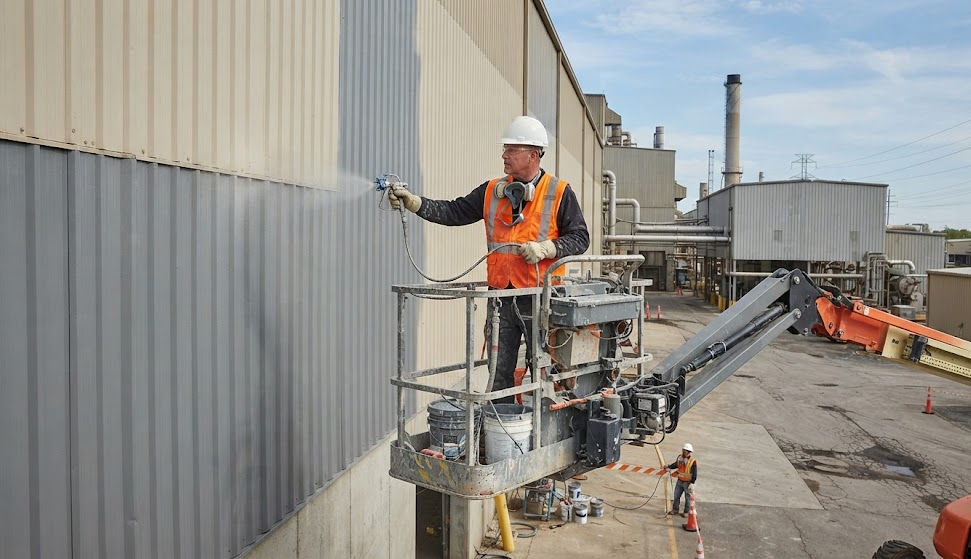
In the realm of industrial painting, selecting the correct coating type is pivotal for ensuring durability and performance. As industries evolve, the need for specialized coatings that withstand various environmental stresses becomes increasingly critical. Understanding the different types of coatings and their unique attributes not only enhances material longevity but also supports operational efficiency.
Understanding Industrial Coatings for Optimal Performance
Industrial coatings serve as a protective layer against wear, corrosion, and chemical exposure. These specialized paints are formulated with unique additives, resins, and pigments, specifically designed for demanding environments. With the right coating, manufacturers can mitigate the impact of environmental factors, ensuring a longer lifespan for equipment and infrastructure.
Examining the Key Types of Industrial Coatings
Delving into specific types of coatings reveals their characteristics and best-use scenarios. Each formulation addresses particular environmental challenges and operational requirements.
Exploring Epoxy Coatings for Superior Protection
Epoxy coatings are renowned for their excellent adhesion and resistance to harsh chemicals. Forming a robust barrier, they are ideal for high-traffic areas such as factory floors and pipelines. Their impermeable nature not only protects surfaces from moisture and chemicals but also enhances durability under abrasive conditions.
Advantages and Applications of Epoxy Coatings
Epoxy coatings excel in various industrial applications due to their performance attributes:
- Strong Adhesion: They bond effectively to surfaces, preventing peeling and wear.
- Chemical Resistance: Protect against harsh industrial substances, reducing maintenance needs.
- Moisture Barrier: Effective in environments where exposure to water is constant.
Their utility extends across manufacturing plants, where they help prolong the life of structural components.
Utilizing Polyurethane Coatings for Outdoor Applications
Polyurethane coatings are preferred for outdoor environments due to their exceptional UV resistance and color retention. These coatings maintain their aesthetic appeal while providing flexibility in application, allowing them to adapt to surface movements without cracking.
Key Features and Benefits of Polyurethane Coatings
With polyurethane coatings, manufacturers gain a range of advantages:
- UV Stability: They resist fading and degradation from sunlight.
- Flexibility: Adaptable to shifting surfaces, ensuring longevity.
- Color Retention: Maintain vibrant finishes over time, enhancing visual appearance.
These properties make polyurethane a go-to choice for vehicles and outdoor machinery, where aesthetic and functional qualities are paramount.
Choosing Enamel Coatings for Enhanced Aesthetics
Enamel coatings offer a smooth, glossy finish that is not only visually appealing but also provides moderate durability. Ideal for machinery and equipment where appearance matters, these coatings are frequently used in indoor applications where harsh environmental conditions are less of a concern.
Benefits of Enamel Coatings
Enamel coatings bring several benefits to the table:
- Glossy Finish: Provides an attractive look while protecting surfaces.
- Moderate Durability: Suitable for environments with less physical wear.
- Ease of Maintenance: Smooth surfaces allow for effortless cleaning.
They’re perfect for applications where visibility and maintenance ease are prioritized, such as in display equipment.
Implementing Zinc-Rich Coatings for Corrosion Prevention
Zinc-rich coatings are specifically designed to combat corrosion, especially in metal frameworks. By providing galvanic protection, they create a sacrificial layer that prevents rust on steel structures, bridges, and more.
Features of Zinc-Rich Coatings
The unique characteristics of zinc-rich coatings include:
- Galvanic Protection: Sacrifices itself to protect the underlying metal from corrosion.
- Durability in Harsh Environments: Performs well in areas exposed to moisture and chemicals.
- Longevity: Extends the lifespan of critical structural components.
As industries increasingly prioritize sustainability, these coatings play a vital role in maintaining structural integrity.
Considering Specialized Coatings for Unique Needs
Sometimes, traditional paint systems fall short of requirements. This is where specialized coatings excel, offering solutions tailored to specific challenges such as friction reduction or extreme chemical exposure.
Notable Specialized Coatings: Performance Beyond Paint
The benefits of using specialized coatings include:
- Fluoropolymers: Provide low surface energy, ensuring non-stick performance.
- Dry Film Lubricants: Reduce friction in mechanical assemblies without wet applications.
- Powder Coatings: Offer durable films with high production throughput, ideal for impact resistance.
These coatings are instrumental when traditional options don’t suffice, ensuring efficient and reliable performance in challenging conditions.
Final Thoughts on Selecting the Right Coating
In the multifaceted world of industrial painting, the decision-making process extends far beyond mere color selection. From evaluating substrate compatibility to considering environmental factors, each decision influences long-term outcomes. Consulting with specialists in coating technologies can greatly inform choices, aligning projects with effective, durable solutions.

