
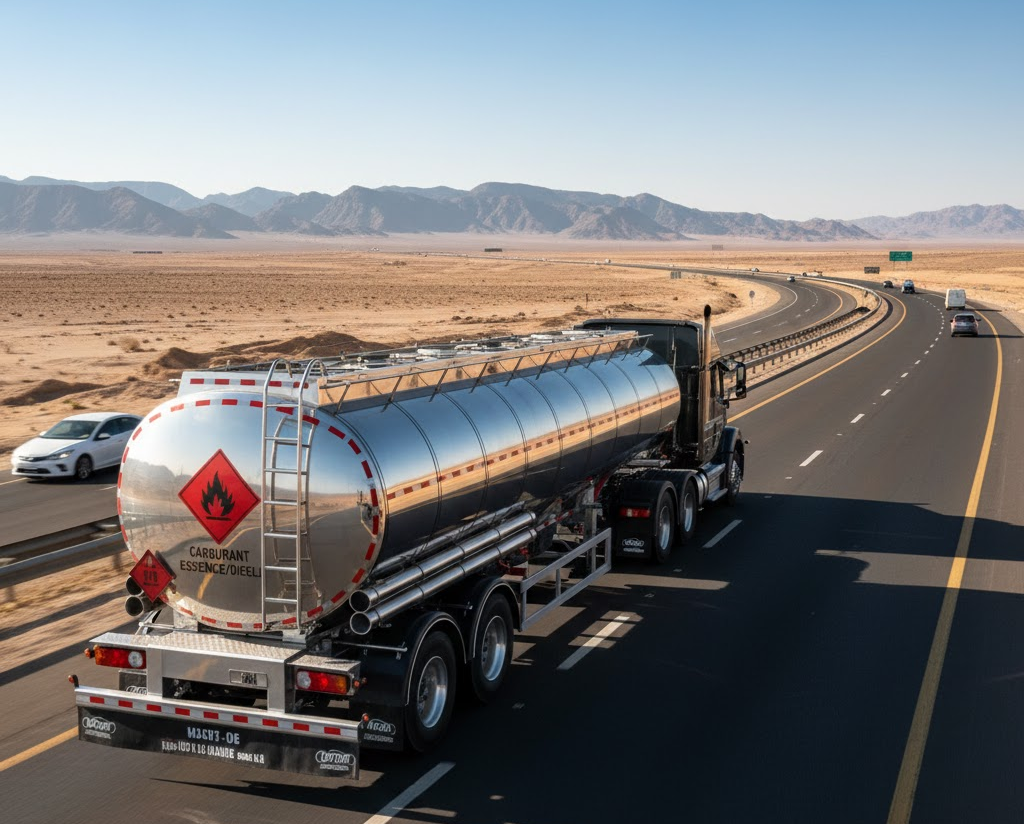
Transporting fuel safely is crucial for preventing accidents and safeguarding the environment. In this article, we will explore the key features of petroleum trailers that ensure secure and efficient delivery of petroleum products. Join us as we delve into the essential elements that contribute to safe fuel transport.
Understanding Petroleum Trailer Compliance Standards
Safety starts with adhering to strict regulations. The standard dictate specific design and construction requirements to ensure safe transport of flammable liquids, such as petrolium, gasoline and diesel. Trailers built according to these standards must incorporate various safety features, including:
- Emergency shut-off valves to halt the flow of fuel in emergencies,
- Overfill protection devices to prevent spills during loading and unloading,
- Grounding systems that dissipate static electricity, reducing explosion risks.
Material and Construction: Key to Durability
The choice of material in trailer construction significantly affects performance and longevity. Most petroleum trailers are crafted from lightweight yet robust materials like aluminum or carbon steel. Aluminum is favored for its corrosion resistance, while carbon steel offers excellent strength. The selection between these materials often hinges on:
Type of Cargo
Different fuels necessitate different tank materials. For instance, lightweight liquids like lube oils are frequently transported in aluminum trailers, given their lower weight and ease of cleaning. Understanding the cargo specifically being transported is essential when choosing the right trailer for optimal performance.
Tank Shape and Design: Enhancing Stability
The design of a petroleum trailer can greatly influence its stability during transport. Common configurations involve elliptical shapes, which lower the center of gravity, greatly reducing the risk of rollovers. This design, alongside internal baffles that mitigate liquid surge, ensures smooth and stable transportation of hazardous materials.
Configurations for Specific Use Cases
Various configurations serve distinct purposes:
- Straight Bottom Trailers: Ideal for low-consistency, flammable liquids, providing a stable foundation. Their design facilitates quick loading and unloading.
- Double Taper Trailers: Excellent for viscous products like lubricants; tapering assists in maintaining balance and allows for efficient unloading.
- Trough Bottom Trailers: Best for rapid unloading of low-viscosity liquids like diesel and gasoline, as they minimize flow disturbance.
Essential Safety Features in Petroleum Trailers
Safety should never be compromised. When evaluating petroleum trailers, certain safety features are non-negotiable:
Overfill Prevention Systems
As loading and unloading fuel can be risky, trailers should be equipped with systems that actively prevent overfills, thus averting potential spills that could lead to catastrophic incidents.
Advanced Monitoring Tools
Features like flow meters and pressure gauges are vital for tracking commodity flow, ensuring everything remains within safe operational parameters during transportation. These tools not only enhance operational efficiency but also allow for quick reactions to any anomalies.
Regular Maintenance: Ensuring Longevity and Safety
Even the most durable petroleum trailers require regular maintenance to maximize longevity. Conducting periodic inspections is critical for identifying wear and tear, enhancing both safety and performance. These checks should include:
- Assessing hoses and couplings for signs of wear,
- Testing safety valves and monitoring equipment,
- Ensuring compliance with regulations.
The Role of Quality Standards in Trailer Manufacturing
Quality standards directly influence the operational capability of petroleum trailers. Investigating compliance with standards for quality management is essential. Manufacturers that prioritize high-quality materials, precision engineering, and consistent testing not only ensure safe operations but also build trust in their products.
Choosing the Right Manufacturer
When it comes to selecting a petroleum trailer, working with reputable manufacturers ensures you receive a product that meets rigorous industry standards. Brands with proven track records typically provide comprehensive warranties and reliable after-sales support, adding an additional layer of security for buyers.
Cost Considerations: Balancing Value and Quality
The market offers a broad range of prices for petroleum trailers, primarily influenced by size, material, safety features, and specialized designs. While the upfront costs are critical, businesses should consider the total cost of ownership encompassing maintenance, potential repairs, and resale value. Investing in a quality trailer enhances operational efficiency and contributes to long-term savings.
When it comes to safe fuel transport, understanding the key features of petroleum trailers is crucial for operational success. By investing in trailers with high-quality materials and advanced safety features, businesses can enhance not only the safety of their transport operations but also their overall efficiency. For expert advice on selecting the right fuel trailer, consult a specialized professional in the industry.

