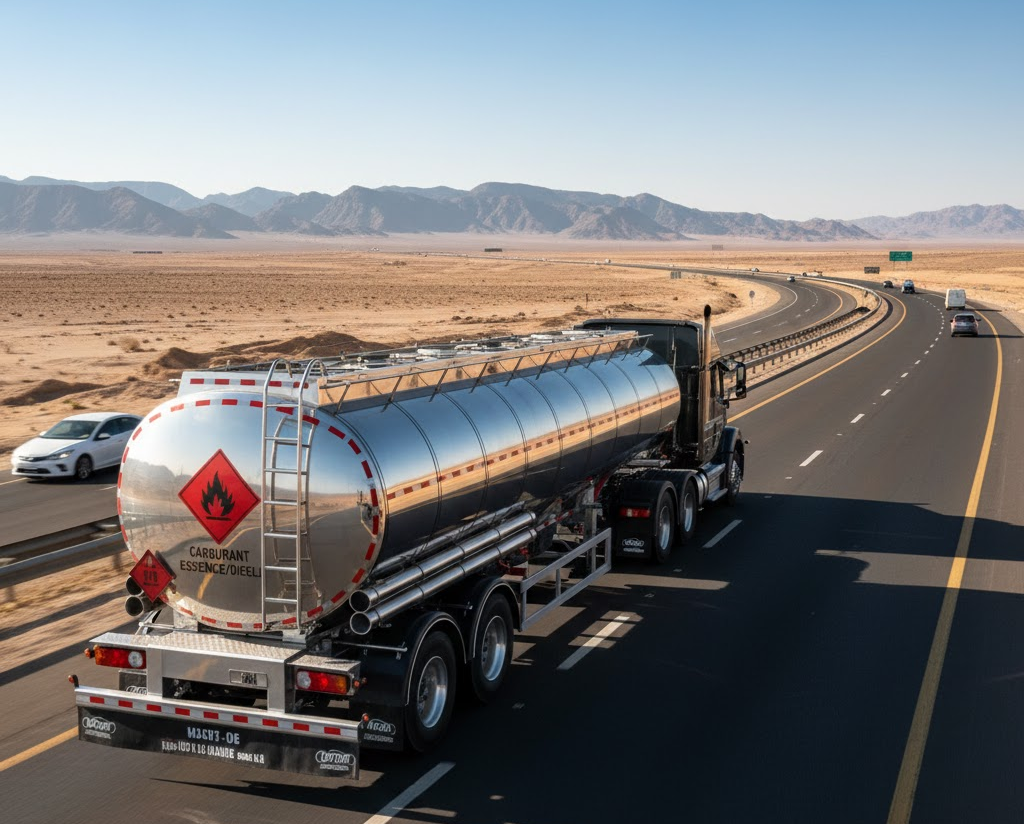
The manufacturing process of trailers significantly influences their load performance and overall usability. Key elements such as the choice of materials, construction techniques, and design principles play a critical role in determining how well a trailer can handle various loads while ensuring safety and efficiency. This exploration delves into the ways trailer manufacturing affects their capacity to perform effectively in different transporting applications.
Material Selection and Its Role in Load Capacity
The choice of materials in trailer construction is a foundational aspect that enhances load capacity. Trailers crafted from high-strength steel and aluminum often stand out due to their own unique properties.
- High-Strength Steel: Known for its remarkable load-bearing capabilities, high-strength steel is a go-to for heavy-duty applications. Its resistance to wear ensures longevity even under extreme conditions.
- Aluminum: A lighter alternative that provides easier handling and improved fuel efficiency. While it may offer less strength overall, the reduced weight of aluminum trailers can enhance transport efficiency significantly.
Choosing the right material thus not only impacts the weight a trailer can carry but also affects operational costs during transit.
Aerodynamic Considerations for Enhanced Stability
Aerodynamics play a pivotal role in a trailer’s performance, especially when it comes to fuel efficiency over long hauls. By integrating aerodynamic designs, manufacturers can streamline trailers to minimize air resistance. Key features that contribute to improved aerodynamics include:
- Sleek Shapes: A well-designed, streamlined shape markedly reduces drag, allowing for smoother towing and better fuel economy.
- Rounded Edges: Incorporating rounded edges can stabilize airflow, thereby increasing stability while in motion and significantly decreasing the potential for swaying.
Through the implementation of aerodynamic principles, manufacturers contribute not only to the efficiency of fuel consumption but also to the overall handling of the trailer.
Load Distribution: Key to Safe Transport
One of the paramount factors influencing trailer performance is how the load is distributed. Proper load distribution is essential to maintain stability, minimize risks of tipping, and ensure better handling throughout the journey. The following design elements help to achieve optimal load distribution:
- Even Weight Distribution: Designing trailers so that weight is evenly distributed assists in preventing instability and swaying, which can compromise safety.
- Adjustable Axles: Featuring adjustable axles allows users to modify load balance, making it easier to adapt to various transport requirements.
A well-thought-out system for managing load distribution ultimately leads to a smoother experience on the road and enhances overall hauling efficiency.
Importance of Suspension Systems for Load Handling
The suspension system is another critical component that influences a trailer’s load performance. An advanced suspension system ensures better handling and ride quality by managing shock and vibrations effectively. Some notable features include:
- Independent Suspension Systems: These systems allow each wheel to react independently, which improves stability and handling, especially when traversing uneven terrain.
- Shock Absorbers: Quality shock absorbers help mitigate bumps in the road, protecting the integrity of the load and providing a comfortable towing experience.
A well-engineered suspension system is vital for anyone looking to transport goods securely and efficiently.
The Role of Braking Systems in Load Safety
Braking systems are essential for ensuring the safe operation of a trailer while loaded. Modern trailers often incorporate advanced technology, making stopping power responsive and reliable. Effective braking systems include:
- Electric Brakes: These systems offer precise, quick response times, ensuring that trailers can stop efficiently even under heavy loads.
- Hydraulic Brakes: Known for their strong stopping power, hydraulic systems provide enhanced safety, particularly vital when navigating challenging terrains.
Integrating robust braking systems not only helps maintain the safety of the cargo but also boosts the confidence of the operator on the road.
The intricate relationship between trailer manufacture and load performance cannot be overstated. Key factors including material choice, aerodynamics, load distribution, suspension quality, and advancing braking systems collectively elevate trailer capabilities. With informed choices and strategic designs, users can enhance their operations vastly, catering to an array of industries effectively. For tailored solutions that match your specific requirements, consider reaching out to a specialized provider.