
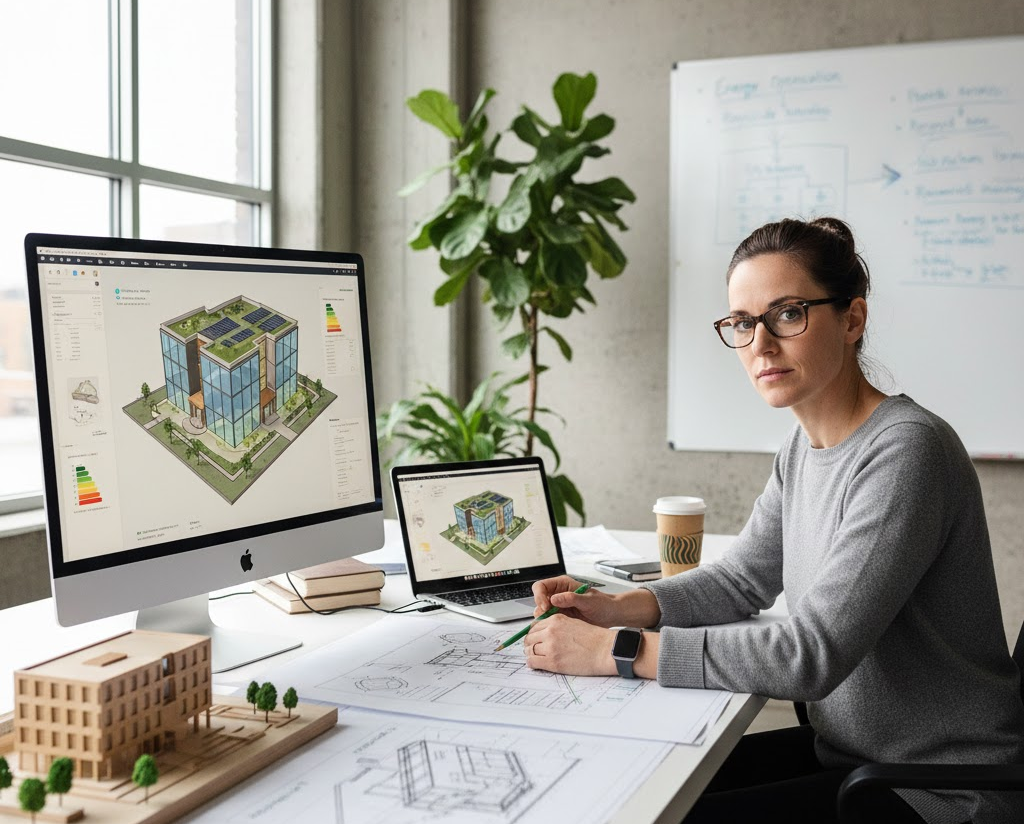
In today’s rapidly evolving world, the demand for sustainability in building practices has never been more pressing. Architectural services play a pivotal role in this shift, guiding the integration of eco-friendly solutions while ensuring functionality and aesthetic appeal. Explore how architects are not just designers, but key players in fostering a greener future through sustainable design.
The Role of Architects in Sustainable Design
Architects are fundamentally responsible for translating sustainability principles into tangible designs. Their role encompasses a broad spectrum of responsibilities, from initial concept formulation to the intricacies of materials selection and energy-efficient design implementation.
Translating Sustainability into Design
One of the primary values that architectural services provide is the ability to integrate sustainability into the very fabric of a project. This includes employing passive design strategies, which maximize natural light and ventilation, significantly reducing the reliance on artificial energy sources. For instance, the clever positioning of windows can ensure that buildings capture the sun’s rays during the colder months while providing shade in the summer.
Cost-Effectiveness of Sustainable Building
An often-overlooked aspect of sustainable architecture is its long-term economic viability. Sustainable buildings are designed not only to cater to current environmental standards but also to remain financially responsible for their owners and occupants.
Reducing Operational Costs
By utilizing energy-efficient systems and sustainable materials, architects can create structures that drastically cut down on utility bills. For example, buildings equipped with renewable energy technologies, such as solar panels, yield dividends by reducing long-term energy expenditures.
Enhancing Property Value
Moreover, properties that adhere to sustainable guidelines, often certified by LEED or similar bodies, tend to have a higher market value. Potential buyers increasingly favor homes that not only conform to eco-friendly practices but also promise lower energy costs.
Social Equity and Accessibility in Sustainable Design
In addition to environmental and economic factors, architects play a pivotal role in championing social equity through sustainable design. They ensure structures are accessible and inclusive, enabling all members of the community to benefit from their spaces.
Creating Inclusive Spaces
Architectural services are instrumental in designing spaces that foster community engagement. For instance, the integration of public parks and communal gardens within residential complexes not only beautifies the environment but also promotes social interaction, thereby enhancing the overall well-being of the community.
Prioritizing Accessibility
A key aspect of sustainable design is the unyielding commitment to accessibility. Architects must consider the needs of individuals with disabilities, ensuring that their designs incorporate features such as wheelchair-friendly entrances, accessible restrooms, and clear signage. By designing spaces that every community member can enjoy, architects further develop societal cohesion.
Innovative Materials and Technologies in Sustainable Design
Architects harness advancements in materials and technology to promote sustainability. Utilizing green materials plays a significant role in reducing the environmental footprint of a building.
Choosing Eco-Friendly Materials
From reclaimed wood to recycled steel, architects actively seek out materials that minimize waste and reduce ecological impact. By making informed choices, they help preserve natural resources while crafting buildings that are not only durable but can also adapt over time. Their expertise in materials science enables them to make design choices that fuse sustainability with aesthetic appeal.
Integrating Smart Technologies
The advent of smart technologies profoundly impacts modern architecture. Incorporating systems that monitor energy use, adjust lighting based on occupancy, and manage HVAC systems efficiently can significantly enhance energy savings. This technological revolution is a valuable tool in the architect’s arsenal for achieving sustainability goals.
Collaboration for a Sustainable Future
Architects recognize that sustainable design cannot be achieved in isolation. Collaboration among various stakeholders—including engineers, environmental scientists, and the community—is essential to create structures that align with sustainable goals.
Building Consensus Through Community Engagement
Community engagement plays a crucial role in the architectural process. By conducting workshops and seeking feedback, architects can develop designs that resonate with the needs and aspirations of the community. This collaborative approach fosters a sense of ownership among residents and enhances the likelihood of design acceptance.
Interdisciplinary Partnerships
Furthermore, partnering with engineers and sustainability experts allows architects to develop multifaceted solutions. These collaborations foster innovative design approaches that take into account structural integrity and environmental impact while adhering to budget limitations.
The expertise of architects in sustainable design is invaluable as they navigate the intersection of functionality and environmental responsibility. By engaging with a knowledgeable architect, clients can ensure that their projects are not only visually appealing but also contribute positively to the planet and its resources. Choose to collaborate with an expert in sustainable architecture and unlock the potential of your next building endeavor.
