
Ensuring a dry and safe basement is crucial for the overall integrity of your home. This article will guide you through interior waterproofing methods that effectively tackle moisture issues, helping to create a healthier living space and protect your home from potential damage.
Understanding Interior Waterproofing Methods
When it comes to basement waterproofing, a reliable strategy is crucial for preventing water intrusion. Various interior methods are designed to tackle moisture issues directly within your basement, offering robust solutions for homeowners looking to protect their property.
Importance of Addressing Moisture Issues
Having a dry and safe basement is not just about comfort—it’s integral to the very structural integrity of your home. Water damage can lead to significant problems, including mold growth, structural deterioration, and even decreased property value. Identifying early signs like damp walls, musty odors, or peeling paint is essential. By taking action, you prevent small moisture problems from spiraling into major headaches.
Key Interior Waterproofing Solutions
Let’s explore various techniques that homeowners can utilize for effective interior waterproofing. Each method has its unique characteristics and benefits, tailored to cater to specific moisture-related challenges in a basement.
Sealants and Coatings
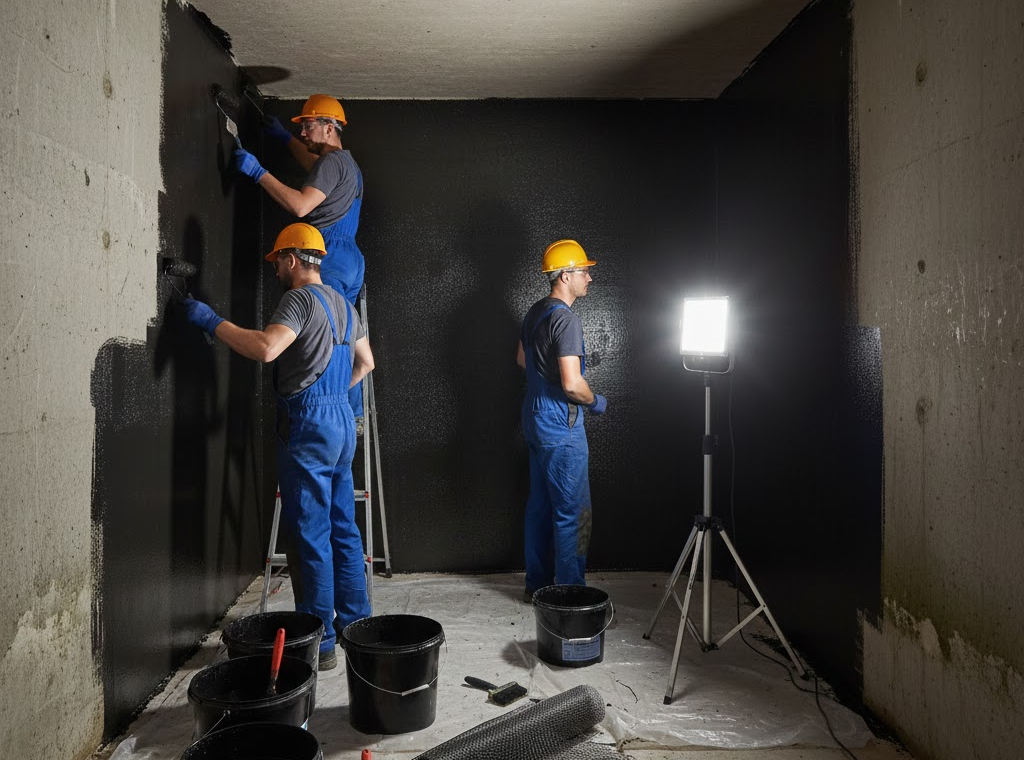
Utilizing sealants and coatings forms the first line of defense against basement water intrusion. Masonry sealants create a flexible barrier, effectively blocking moisture from penetrating through basement walls and floors. For areas prone to minor cracks or porous surfaces, these sealants act as protective layers. Furthermore, advanced options like elastomeric and polyurethane coatings offer long-lasting solutions for extreme moisture conditions. These coatings adapt to structural movements, creating a robust barrier while reducing the need for costly repairs down the line.
Interior Drainage Systems
Another critical aspect of basement waterproofing involves the installation of interior drainage systems. These systems are engineered to manage water within the basement effectively. Through the installation of drain tiles, water is collected and redirected to a sump pump for removal, ensuring that your basement stays dry even during heavy rains. A French drain, involving a gravel-filled trench with a perforated pipe, remains one of the most reliable options for redirecting water away from the basement. The sump pump’s role in this process is crucial; it channels excess water away, preventing flooding and creating a stable environment.
Vapor Barriers
A vapor barrier is another cornerstone of interior waterproofing. This material is designed to block moisture from passing through porous concrete surfaces, thereby reducing the risk of mold, mildew, and musty odors. By effectively managing humidity levels, vapor barriers contribute significantly to a healthier indoor air quality. Remember, a well-installed vapor barrier doesn’t just enhance comfort; it plays a vital role in safeguarding the structural integrity of your basement.
Combining Methods for Enhanced Effectiveness
To maximize the efficiency of basement waterproofing, combining various methods often yields the best results. By integrating interior drainage systems with effective sealing techniques, homeowners can create a comprehensive barrier against moisture. Modern advancements in technology, such as smart sump pumps that can adjust operation based on moisture levels, provide additional layers of protection, ensuring that your basement remains dry.
Identifying and Repairing Structural Damage
It’s essential to address any existing structural damage during the waterproofing process. Foundation cracks can lead to significant water intrusion if left unchecked. Techniques such as crack injection using epoxy or polyurethane foam can effectively seal these openings, thus preventing water from infiltrating the space. Furthermore, employing methods for structural reinforcement, such as carbon fiber straps, can stabilize basement walls and counteract hydrostatic pressure, offering long-term peace of mind.
Essential Maintenance for Long-lasting Protection
The job doesn’t end with the installation of waterproofing systems. Regular maintenance is critical for ensuring that these systems remain effective over the years. Periodically testing your sump pump and cleaning gutters can greatly enhance the system’s longevity. Keep an eye out for signs of clogs or blockages, as these can hinder performance and lead to moisture problems.
Investing in interior waterproofing methods is crucial for maintaining a safe and dry basement. For optimal results and expert guidance, consider consulting a waterproofing specialist who can tailor solutions to meet your specific needs.