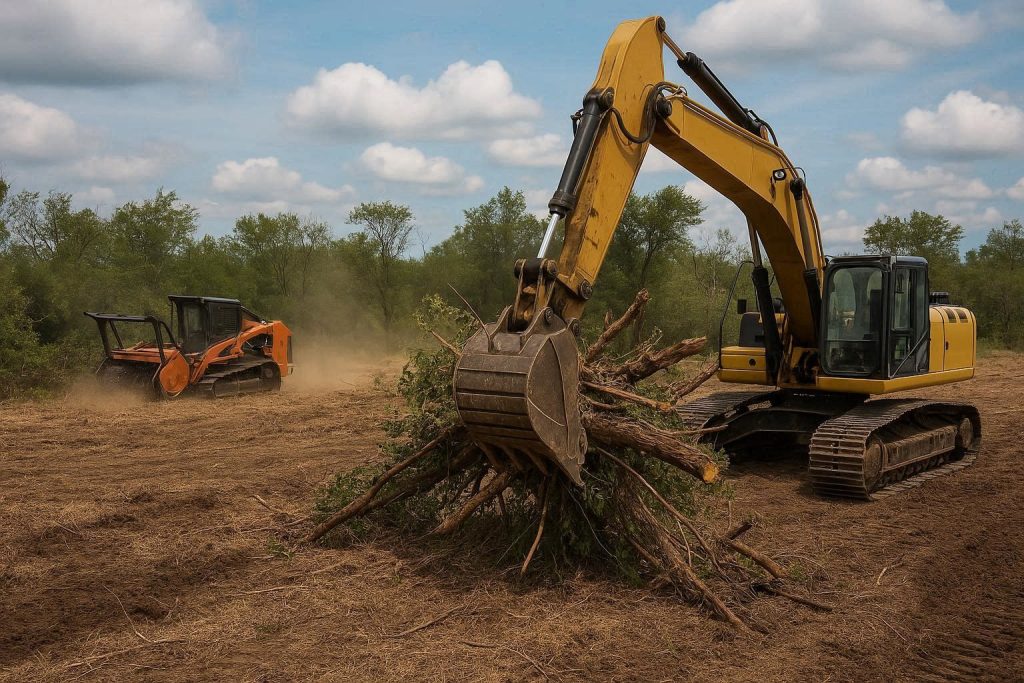
When embarking on a construction project, one of the most crucial yet overlooked steps is land clearing. This foundational process not only prepares the site for building but also ensures safety and compliance with local regulations. Discover why understanding land clearing is essential for a successful construction experience.
Understanding Land Clearing and Its Purpose
Land clearing is the act of removing trees, vegetation, debris and any other obstacles from a site to prepare it for construction. The ultimate aim is to create a stable, level surface that meets both building specifications and local regulations. This process not only makes the land suitable for construction; it also enhances long-term viability and safety.
The Benefits of Land Clearing
Creating a Safe Job Site
An uncleared lot often harbors hidden dangers like roots, ragged terrain, or wildlife habitats. By thoroughly clearing the land, you ensure a safe work environment for crews and machinery. A clean site not only mitigates risks but also facilitates smoother operations throughout the construction timeline.
Establishing a Firm Foundation
Roots and organic matter can jeopardize a structure’s integrity, leading to major complications down the road. By performing comprehensive land clearing, you’re eliminating any unstable materials that might compromise the foundation. This proactive approach helps avoid issues such as settling, shifting, or cracking—a preventative step that ultimately saves money and time.
Ensuring Effective Drainage
Proper drainage is integral to the longevity of any structure. The risk of erosion or damage increases significantly if water cannot flow away adequately. During the land clearing process, appropriate grading is performed to facilitate optimal drainage and prevent potential flooding. This preparation shields your investment long after the construction phase concludes.
Steps Involved in Land Clearing
Understanding the land clearing process can provide insight into what to expect when preparing your site. Here’s how it typically unfolds:
- Site Assessment: A detailed evaluation of the property is conducted, assessing the existing vegetation and understanding any environmental regulations or zoning codes.
- Permitting and Regulations: Depending on the nature and location of the project, necessary permits are obtained to ensure compliance with local laws.
- Vegetation Removal: Using specialized equipment, trees, brush, and unwanted undergrowth are removed to leave a clear site. In wooded areas, forestry mulching might be utilized for efficient clearing.
- Stump Grinding and Debris Removal: Stumps and roots are either ground down or excavated to prepare the soil, while debris is cleared away.
Preparing for a Land Clearing Project
If you’re planning to embark on a construction project, proper preparation will significantly enhance the efficiency of the land clearing process. Here are some steps to consider:
Define Your Project Goals
Clear objectives set the direction for land clearing. Identify where structures, driveways, and utilities will be located to minimize disruption during the clearing process.
Mark Property Lines and Protected Areas
To avoid any confusion, it’s essential to demarcate property boundaries and any protected trees or landmarks. This measure helps maintain compliance with local ordinances.
Discuss Timing and Seasonal Considerations
Timing can be pivotal. Seasonal conditions can affect land clearing; wet or frozen soil may impose restrictions. Planning ahead can save delays and facilitate an effective clearing process.
Choose the Right Professionals
Enlisting experienced contractors who specialize in land clearing is vital. They possess the knowledge of local terrain, vegetation, and regulations, ensuring a thorough and compliant job.
Why Trust Professionals for Land Clearing
While it may be tempting to tackle land clearing as a DIY project, enlisting experts can save you significant time, money, and frustration. Professional land clearing contractors have the necessary equipment and experience to handle the task efficiently.
Understanding Local Regulations
Professionals are well-versed in environmental regulations and understand the compliance needed to avoid fines or delays due to improper clearing. This expertise not only safeguards your project but also protects the surrounding environment.
Protecting Your Investment
Investing in land clearing upfront can lead to smoother construction phases and greater adherence to timelines. A well-prepared site minimizes unexpected hiccups, ensuring your project stays on track and within budget.
In summary, proper land clearing is vital for ensuring a safe and efficient building process. By addressing this crucial first step, you can pave the way for a solid foundation and a successful construction project. Trust professionals with the right expertise to handle your land clearing needs effectively.