
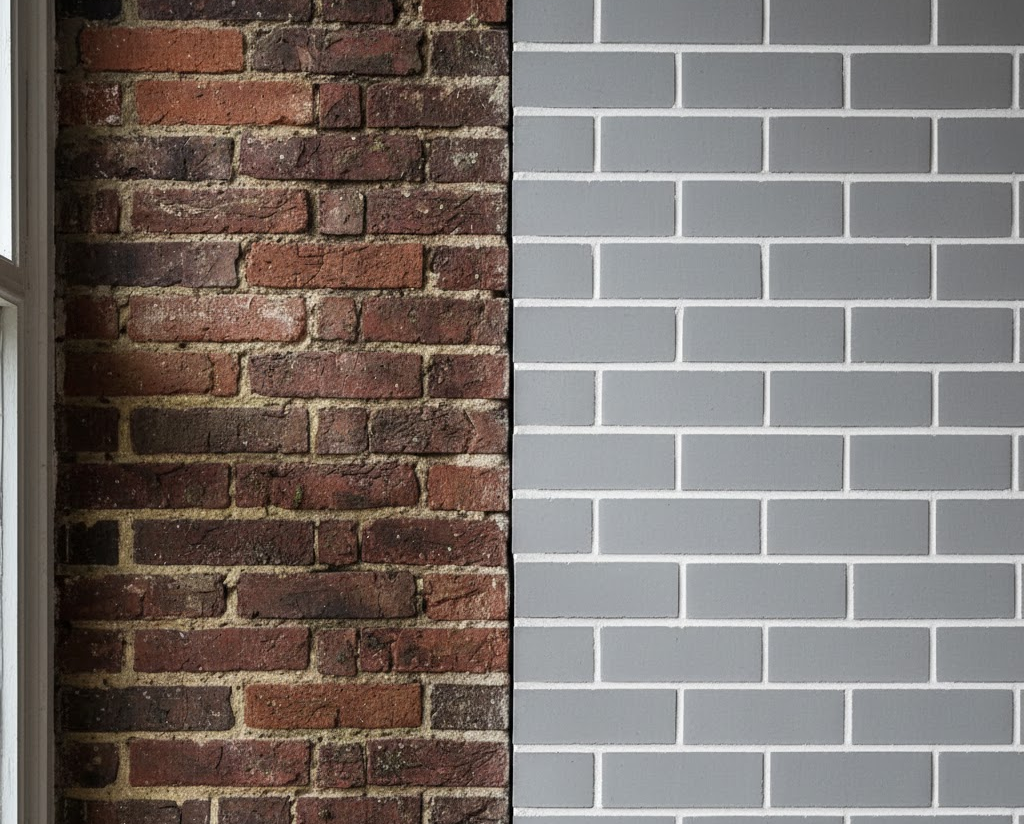
When it comes to choosing the right materials for your construction project, the decision between century bricks and modern bricks can significantly impact both aesthetics and durability. In this article, we will explore the key differences between these two types of bricks, providing insights that will help you make an informed choice for your next project. Discover the characteristics that set century bricks apart and how they compare with their modern counterparts.
Understanding the Manufacturing Processes
Heritage Manufacturing of Century Bricks
The process of creating century bricks is steeped in tradition. Historically, these bricks were made from brick earth, a local deposit of loamy clay. This material was rich in organic content, making the bricks incredibly robust and durable over time. The clay was typically excavated during the late summer and fall, allowing it to be molded in the spring and summer months. After the clay was carefully washed and sieved to eliminate impurities, it was kneaded in a mill, which prepared it for shaping.
The crafting of century bricks involves the soft mud process, where the clay is molded into bricks using wooden or metal molds. This artisanal approach ensures uniqueness, as each brick carries the signature of the craftsman. After shaping, the ‘green’ bricks are dried naturally outdoors, a process that can take several weeks, followed by firing in a kiln or clamp, providing durability and character to the final product.
Modern Brick Manufacturing Techniques
Contrary to their heritage counterparts, modern bricks are predominantly made from shale, a sedimentary rock that undergoes extensive mechanical processing. Modern brick manufacturing employs cutting-edge technology, combining precision with efficiency. After extraction, shale is ground into a fine powder, mixed with water, and then extruded at high pressure through a die to form long sections of bricks.
These extruded bricks are often refined with metal oxides to enhance their color and consistency during the firing process. Modern manufacturing processes are aimed at producing uniform bricks with predictable sizes and colors, which caters to contemporary design standards. While this mechanization results in high consistency, some argue it lacks the distinctiveness and charm inherent in century bricks.
Durability Comparison: Century Bricks vs Modern Bricks
Longevity and Resistance
One of the standout features of century bricks is their exceptional durability. Made from high-quality clay that is fired at higher temperatures, century bricks are remarkably resistant to cracking, fading, and weather-related damage. The tightly packed composition affords them superior thermal insulation properties, making them not only aesthetically appealing but also highly functional across various climates.
On the other hand, while modern bricks may offer lightweight options or aesthetic variations, they sometimes compromise on strength and longevity. Their consistency is achieved at the expense of character. Thus, in terms of durability, century bricks often outshine modern alternatives, being a formidable option for both structural foundations and decorative applications alike.
Historic Value and Aesthetic Appeal
Beyond their structural benefits, century bricks carry a story—an essence of the craftsmanship and time that birthed them. Their textures and hues vary, often forming rich patinas that will only deepen with age, making them a favorite choice for restoration projects and heritage homes seeking authenticity.
Modern bricks have a lovely aesthetic as well, with a variety of colors achieved through artificial means. However, they lack the unique imperfections and aged colors that give century bricks their charm. For design enthusiasts aiming for timelessness, century bricks are often preferred. They lend an air of history and warmth to any project, reminiscent of a bygone era.
Design Ideas Using Century Bricks
Innovative Applications for Century Bricks
When it comes to design flexibility, century bricks offer countless possibilities. One popular idea is to use them for accent walls that add both texture and a warm ambiance to interior spaces. Homeowners often utilize century bricks to create stunning outdoor elements like patios, walkways, and fire pits, transforming landscapes into captivating areas of relaxation and enjoyment.
Additionally, these bricks can be incorporated into garden walls or raised flower beds, providing not only strength but also a visually appealing element to garden designs. For a more contemporary look, century bricks can pair beautifully with glass and steel components to create striking contrasts, merging the old with the new.
Exploring the Modern Brick Aesthetic
While century bricks shine in their rustic charm, modern bricks offer sleek designs suitable for urban settings. Their uniformity makes them ideal for projects that require a polished finish, such as commercial buildings and modern homes. Additionally, the variety in texture and color available today allows for creative patterns and applications that add dynamism to contemporary architecture.
When comparing century bricks to modern bricks, it’s clear that the traditional options offer not only unmatched durability but also a unique aesthetic appeal that stands the test of time. For those seeking to enhance their property with quality materials, consider consulting with an expert in brick installation to make the best choice for your project.


