
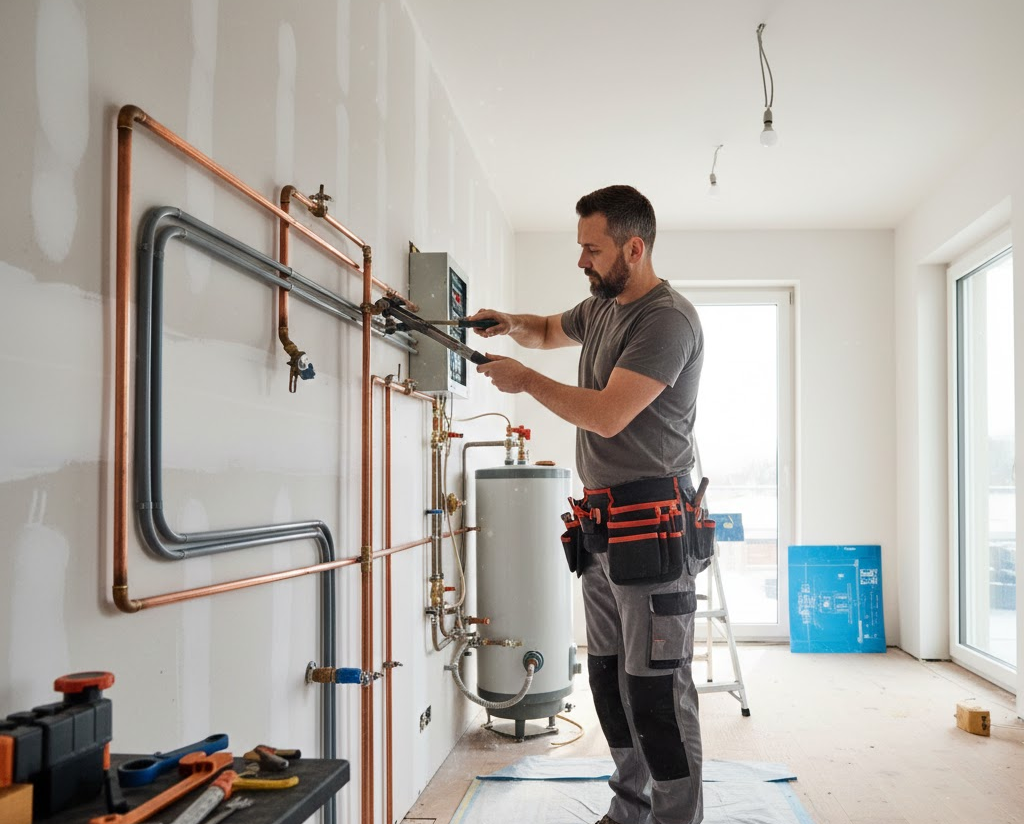
Embarking on plumbing renovations can often feel daunting, especially when it involves upgrading pipes that are essential to daily operations. However, with the right planning and strategies, it is possible to enhance your plumbing system while keeping disruptions to a minimum. In this article, we’ll explore effective methods for updating pipes seamlessly, ensuring improved functionality without overwhelming your routine.
Understanding the Importance of Pipe Upgrades
In the realm of plumbing renovations, updating pipes is crucial for maintaining a functional and efficient system. Old pipes can lead to leaks, low water pressure, and even contamination of the water supply. Thus, understanding when and how to perform these updates can significantly enhance the performance of your plumbing system.
Assessing Your Existing Pipe System
The first step in any renovation plan is to thoroughly assess the current condition of the plumbing system. A comprehensive inspection helps pinpoint issues such as weak spots, potential leaks, or materials that are deteriorating over time. By taking stock of your pipes’ materials and sizes, alongside any historical issues they’ve faced, you can create a clear picture of what needs to be addressed.
Utilizing detailed records of your plumbing setup not only aids in identifying necessary upgrades but also prevents unnecessary work. This meticulous planning reduces the chances of unexpected surprises during the renovation process, which can save both time and resources.
Strategic Scheduling for Minimal Disruption
When it comes to executing pipe upgrades, the timing is everything. Choosing the best period to conduct work—preferably during off-peak hours—can greatly reduce disruptions. By avoiding busy times, you ensure that the work completed minimizes the impact on daily operations.
Communicating with Stakeholders
Effective coordination with all relevant parties is critical to creating a seamless upgrade process. This involves aligning schedules with customer demands and workforce availability. Keeping everyone informed about the planned work is essential. Clear communication eliminates confusion and helps maintain customer trust, which is invaluable during transitions.
Implementing a Backup Plan
Having a comprehensive backup plan is a non-negotiable aspect of any renovation project. This plan should include alternative solutions to handle potential disruptions effectively. For instance, in the event that the main water or gas lines are temporarily taken offline, it’s beneficial to have user-friendly alternatives ready to maintain essential services. Documenting safety protocols and assigning responsibilities ensures all team members know their roles, which fosters readiness and compliance.
Minimizing Operational Impact During Upgrades
To keep daily operations running smoothly, an incremental approach to pipe upgrades can be quite effective. Instead of shutting down the entire system, focus on manageable sections, allowing critical operations to continue without major interruptions.
Maintaining Operational Continuity
Establishing redundancy systems can greatly assist in maintaining operational continuity. Testing these backups ensures that essential services remain uninterrupted during renovations. It’s crucial that all departments communicate their roles clearly, and regular updates prepare everyone for any upcoming changes.
Maximizing Off-Hours Efficiency
Another effective strategy is to carry out upgrade work during off-hours, such as evenings or weekends. This tactic minimizes traffic in the work area, reducing the chances of disrupting essential services. With fewer distractions, teams can work more efficiently and safely, contributing to a more streamlined renovation process.
Ensuring Quality and Precision in Upgrades
Quality and precision are paramount during any pipe installation. Utilizing high-grade materials and adhering to industry standards is essential in achieving a successful upgrade. Moreover, precise measurements and alignment must be prioritized, as even minor errors can lead to significant issues down the road.
Preparing for the Unexpected
Unexpected challenges can arise during renovations; therefore, flexibility is key. Keeping spare parts on hand allows for quick adjustments. Open lines of communication ensure prompt responses to any changes, ultimately minimizing delays and misunderstandings.
Feedback and Continuous Improvement
Learning from past plumbing projects can also improve your adaptability. Gathering feedback and evaluating previous renovations help identify potential pitfalls and refine your approach. This proactive stance fosters a culture of continuous improvement, resulting in smoother operations and higher-quality outcomes.
Post-Upgrade Analysis for Enhanced Efficiency
Once the renovations are complete, assessing the impact of the upgrades on system efficiency is essential. Monitoring water flow and assessing energy consumption post-upgrade ensures that the modifications yield the desired improvements.
Engaging with Users for Feedback
Furthermore, engaging with users—whether they are residents or businesses—provides valuable insights regarding the success of the upgrades. Positive feedback on water pressure consistency or overall satisfaction can serve as indicators of a job well done.
In today’s fast-paced environment, undergoing plumbing renovations can seem daunting, but with the right planning and execution, you can achieve significant upgrades without major disruption. To ensure a smooth process, it’s wise to consult with a plumbing expert who can guide you through effective strategies and solutions tailored to your specific needs.