
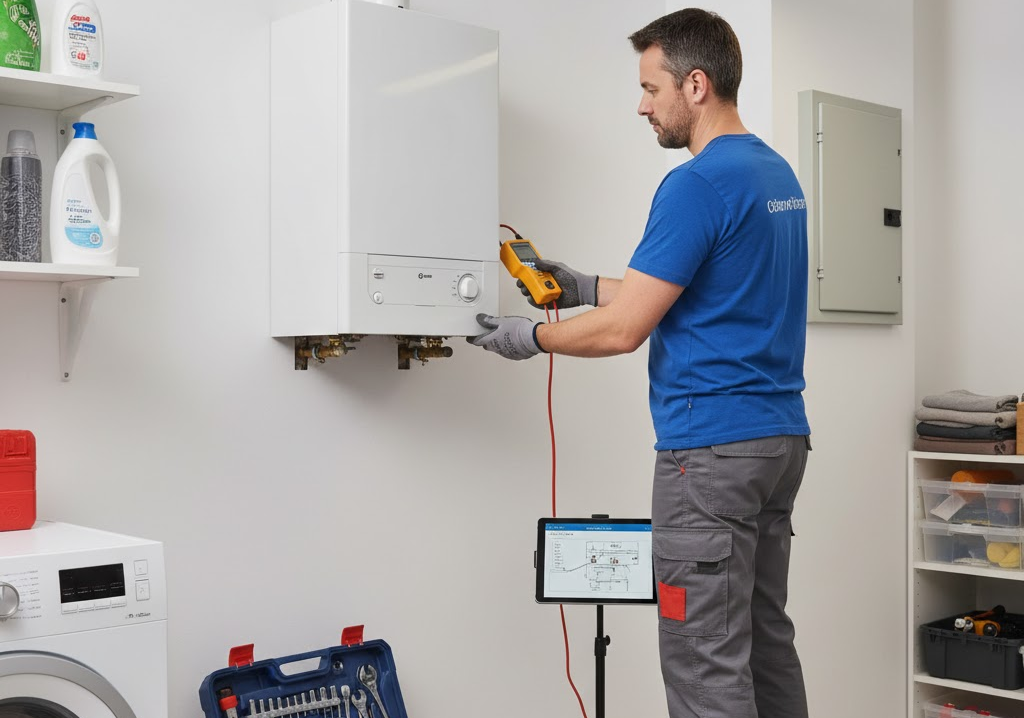
The boiler is one of those unsung heroes in your home, working tirelessly behind the scenes to keep you warm during chilly nights and to ensure your showers are hot and inviting. Yet, like all mechanical systems, boilers do not last forever. It is essential to be aware of the signs that indicate your boiler may need replacing. Let’s explore these signs in detail so you can avoid unexpected breakdowns and maintain a cozy home.
Understanding Boiler Age: Is It Time for a Change?
Firstly, one of the most significant indicators of whether you should consider a new boiler is its age. Most boilers have a lifespan of about 10 to 15 years with proper maintenance. If your system is approaching this age, it may be time to contemplate an upgrade. As they age, boilers become less energy-efficient and more susceptible to breakdowns. So, if you find that yours is creeping up on or exceeding this age range, keep a vigilant eye out for other signs that may justify replacing it.
Are Your Energy Bills Skyrocketing?
Increased utility bills can be alarming, and more often than not, they are a sign that your boiler is operating inefficiently. This is particularly true if you notice a spike in your bills without any apparent reason. Older boiler models typically waste energy, consuming more fuel to heat your home effectively. By replacing your outdated unit with a modern, high-efficiency model, you could see significant savings on your heating costs, making this a wise investment in your future comfort.
Frequent Repairs: A Red Flag That Cannot Be Ignored
Another substantial sign is if you find yourself needing to call for repairs more than once a year. The costs associated with frequent repairs can accumulate rapidly, and it often makes more financial sense to invest in a new, reliable boiler. As a rule of thumb, if the repair costs are nearing 50% of what you would pay for a new boiler, it’s time to stop bandaging the problem and start fresh with an efficient model. Remember, with a new boiler, you’re investing in long-term savings.
Strange Noises: Listening to Your Boiler
Your boiler should operate quietly, efficiently heating your home without making a sound. Therefore, if you start hearing unusual banging, whistling, or gurgling noises, it may be trying to signal that something is amiss. These sounds could indicate internal issues such as limescale build-up or worn-out components. If these noises persist, it might suggest that your boiler is straining to work, and considering an upgrade to a quieter and more efficient model could be a prudent decision.
Inconsistent Heating: Is Your Boiler Up to the Task?
If you’ve noticed that different rooms in your home are at different temperatures or radiators are taking longer than usual to heat up, your boiler might not be distributing heat effectively. These cold spots are a common symptom of an aging boiler that may no longer meet the heating demands of your household. Installing a modern system can significantly enhance comfort, providing consistent and reliable heat throughout your home.
Water Leaks: A Sign of Trouble
Are you seeing water spots on the floor near your boiler? This could indicate a leaking joint or seal, possibly signaling a more serious issue with the heat exchanger. If you spot leaks, it’s crucial to address them quickly, as they can lead to significant damage and indicate internal system failures. In such cases, replacing your boiler may be the best course of action to protect your home and your investment.
Safety Concerns: Check Your Carbon Monoxide Detector
One of the most urgent signs you may need a new boiler is if your carbon monoxide detector goes off near your boiler. A properly functioning gas boiler should burn with a blue flame; however, a yellow or orange flame can signify incomplete combustion, posing serious safety hazards including carbon monoxide emissions. If your detector alarms, turn off the boiler immediately and consult a professional.
Ready to Upgrade? Consider High-Efficiency Models
If you’re witnessing two or more of the aforementioned signs, it’s time to look into replacing your boiler with a high-efficiency model, such as the Rheem FT Series or ThermaForce boiler. These cutting-edge models are designed for optimal heat transfer, resulting in lower energy costs and enhancing your home’s overall performance.
Recognizing the signs that your boiler needs replacement is crucial for maintaining comfort and safety in your home. If you’re experiencing any of these issues, it’s best to consult with a heating expert to discuss your options for upgrading to a more efficient and reliable system. Don’t wait for a breakdown—take action now to ensure your home stays warm and efficient.