
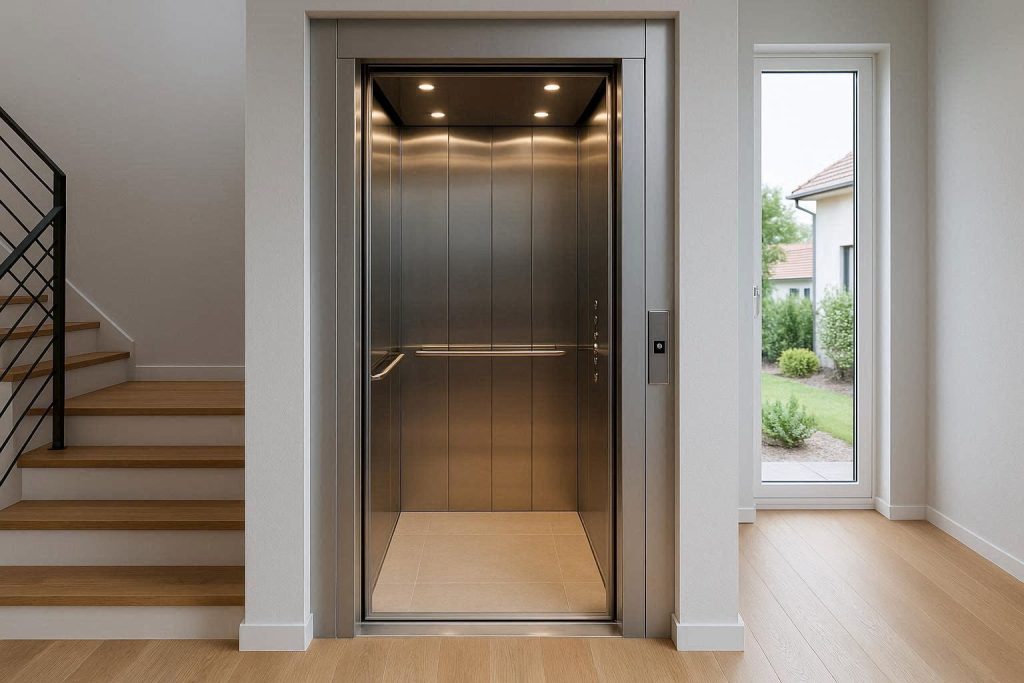
When it comes to enhancing convenience in your home, a home elevator can be a game changer. However, it’s essential to prioritize safety just as much as ease of access. In this article, we’ll explore the key safety features that every home elevator should include to ensure peace of mind for you and your loved ones.
The Necessity of an Emergency Stop Button
One of the most essential safety features of a home elevator is the emergency stop button. In the event of an unexpected malfunction or an unusual noise, the presence of this button allows occupants to halt the elevator instantly. Think of it as the ultimate fail-safe; it serves as a critical line of defense against potential accidents. By having a highly visible and easily accessible emergency stop button, users can feel a sense of control and confidence during their travels between floors.
Understanding Overload Protection Mechanisms
Overload protection is another non-negotiable feature. Think about the weight limits of your elevator—just like refusing to cram too many people into a car, elevators also have weight thresholds. With advanced sensors embedded in a home elevator, exceeding weight limits triggers an alert. The elevator will come to a standstill, and a warning signal will prompt users to lighten the load, ensuring both safety and the longevity of the elevator’s components.
Importance of Door Interlocks
Door interlocks serve as a preventative measure against accidents. These mechanisms prevent doors from opening unless the elevator is securely stationed at a floor, perfectly aligned with both the elevator floor and the landing. This feature is crucial in averting dangerous scenarios where users might unknowingly step into an empty shaft. Furthermore, once the doors are closed, interlocks secure them tightly, reinforcing safety for all occupants.
Automatic Rescue Devices (ARD) for Power Outages
An Automatic Rescue Device (ARD) is a life-saving addition, ensuring that passengers remain safe even during power outages. When electricity fails, the ARD kicks in, utilizing a backup power source to bring the elevator down to the nearest floor while opening the doors. This feature alleviates the anxiety associated with getting trapped and provides peace of mind for both occupants and their families.
Enhancing Safety with Rails and Handrails
For those who might have mobility challenges, the addition of safety rails and handrails within the elevator is indispensable. These structures provide essential support during transit. Whether it be the elderly or those recovering from illness, having a steady grip helps maintain balance. Made from sturdy materials, these rails are designed not only to support weight but also to withstand sudden movements, offering an extra layer of security.
Incorporating Fire-Rated Materials
In the unfortunate event of a fire, it is crucial that your home elevator is safe to use. Elevators constructed with fire-rated materials can resist the spread of flames and smoke, thereby acting as a barrier during a fire emergency. By containing the fire, these materials provide critical moments for evacuation, allowing both occupants and firefighters to operate safely.
Emergency Communication Systems: The Lifeline
Should an emergency occur, the ability to communicate swiftly can save lives. An emergency communication system empowers passengers to call for help in times of need. Featuring intercom systems or emergency calling options, these systems bridge the gap between those stuck inside the elevator and the outside world. The fortification of a direct line to support ensures no one feels isolated in a moment of distress.
Anti-Slip Flooring to Prevent Accidents
The flooring of an elevator must be anti-slip for optimal safety. Smooth surfaces can pose a significant risk, as wet or uneven floors might lead to dangerous slips. By employing materials designed for traction, you can create a safe environment for all, whether entering or exiting the elevator. Regardless of the type of footwear, riders can navigate the space confidently.
A Robust Maintenance and Inspection Alert System
Regular check-ups are vital to guaranteeing the safe operation of your home elevator. An effective inspection and maintenance alert system will proactively inform you when your elevator requires servicing. Staying ahead of potential issues can prevent costly repairs and, more importantly, ensure that your elevator remains a safe vessel for mobility.
With essential features like emergency stop buttons and door interlocks, you can trust that your elevator will operate smoothly and securely. For expert advice and to select the right elevator for your needs, consult with a reputable provider to enhance safety and accessibility in your home.