
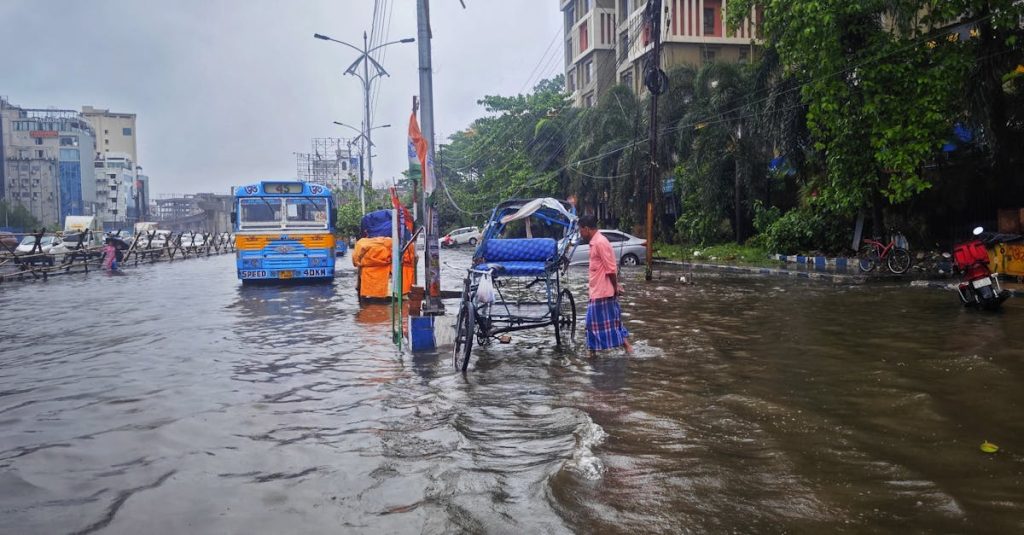
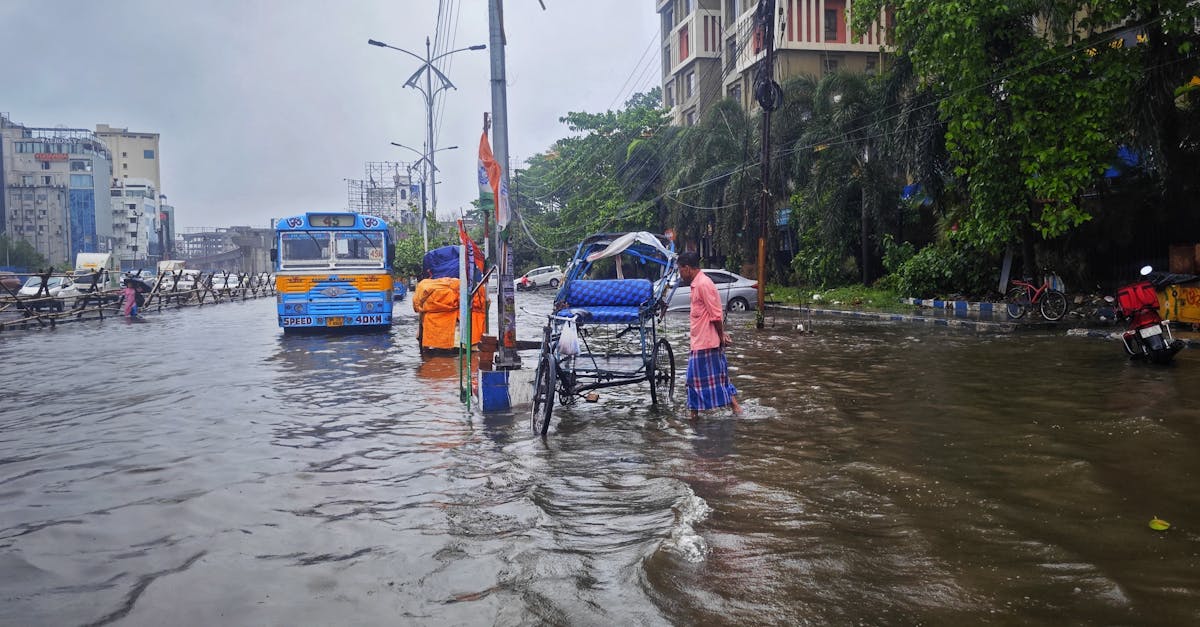
The rapid pace of global urbanization presents numerous challenges, one of the most pressing being stormwater management. Without efficient drainage systems, cities risk flooding, water pollution, and long-term infrastructure damage. Understanding how modern solutions work is essential to promoting sustainable urban development and building resilient communities.
Understanding Stormwater Runoff
Stormwater runoff occurs when rainwater flows over impermeable surfaces such as roads, sidewalks, and parking lots. Instead of soaking into the ground, the water accumulates pollutants, oil, trash, chemicals, which are then carried into local waterways. Without proper drainage, this can lead to erosion, water contamination, and frequent urban flooding.
As cities expand, stormwater management systems become essential. These systems reduce environmental impact, improve water quality, and prepare communities for increasingly frequent extreme weather events.
Key Strategies for Effective Stormwater Management
Several proven strategies help mitigate the impact of stormwater in urban environments. When designed properly, these methods improve drainage, reduce runoff, and promote water conservation.
1. Transitioning to Porous Surfaces
Replacing traditional hardscapes with permeable surfaces allows rainwater to filter naturally into the soil. Porous materials such as permeable concrete, gravel grids, or reinforced grass systems reduce runoff and promote infiltration. These installations also support vegetation growth, further improving absorption and cooling urban surfaces.
2. Designing Vegetated Rain Gardens
Rain gardens use native plants to absorb and filter stormwater. These small landscaped areas are strategically placed to intercept runoff, particularly from roofs or paved surfaces. Rain gardens not only reduce the burden on drainage systems but also enhance biodiversity and beautify neighborhoods. Using soil amendments can improve filtration and support healthy plant development.
3. Installing Rainwater Harvesting Systems
Rainwater harvesting systems collect and store precipitation for later use, reducing pressure on municipal drainage infrastructure. These systems, often combined with permeable paving or subsurface storage tanks, allow for gradual water release during heavy storms. They also support water conservation by supplying non-potable water for irrigation or cleaning.
Community Responsibility and Education
Stormwater management is not just a technical issue, it’s a community responsibility. Educating residents about pollution prevention and responsible practices can significantly improve water quality at the local level.
Simple actions like:
-
Disposing of pet waste properly
-
Avoiding the use of harsh chemicals on lawns
-
Keeping storm drains clear of trash and leaves
…can prevent pollutants from reaching water systems. Encouraging public participation creates shared accountability and helps embed sustainable habits across the community.
Incorporating Innovative Solutions
Incorporating innovative stormwater solutions into urban planning is key to long-term resilience. From green roofs and bioretention cells to modular storage systems and smart irrigation, the possibilities are evolving. These modern systems enhance both function and aesthetics while reducing environmental impact.
Table: Stormwater Management Tools
| Solution | Purpose | Ideal For | Maintenance Level | Long-Term Benefit |
|---|---|---|---|---|
| Permeable Pavements | Reduces runoff through infiltration | Sidewalks, driveways, parking lots | Moderate | Lower flood risk |
| Rain Gardens | Absorbs and filters rainwater | Residential and public spaces | Low to moderate | Improved water quality |
| Rainwater Harvesting Systems | Captures and stores rain for reuse | Homes, businesses, schools | Moderate | Water conservation |
| Subsurface Storage Solutions | Stores excess runoff temporarily | Urban developments, parking areas | Low | Erosion and flood prevention |
| Public Education Campaigns | Promotes responsible behaviors | Entire communities | Ongoing | Pollution reduction |
Building Sustainable Cities Through Smart Drainage
In an era of intensified climate variability and rapid urban expansion, effective stormwater management has never been more critical. Cities must integrate smart drainage systems and educate their communities to ensure long-term sustainability.
By combining nature-based solutions with innovative technologies, urban environments can minimize flooding, improve water quality, and enhance livability. Whether you’re planning a new development or retrofitting an existing one, adopting a holistic drainage strategy is essential.
Looking for tailored, eco-friendly solutions for your next project? Contact specialized company for expert guidance and practical ideas that strengthen your community’s resilience.