
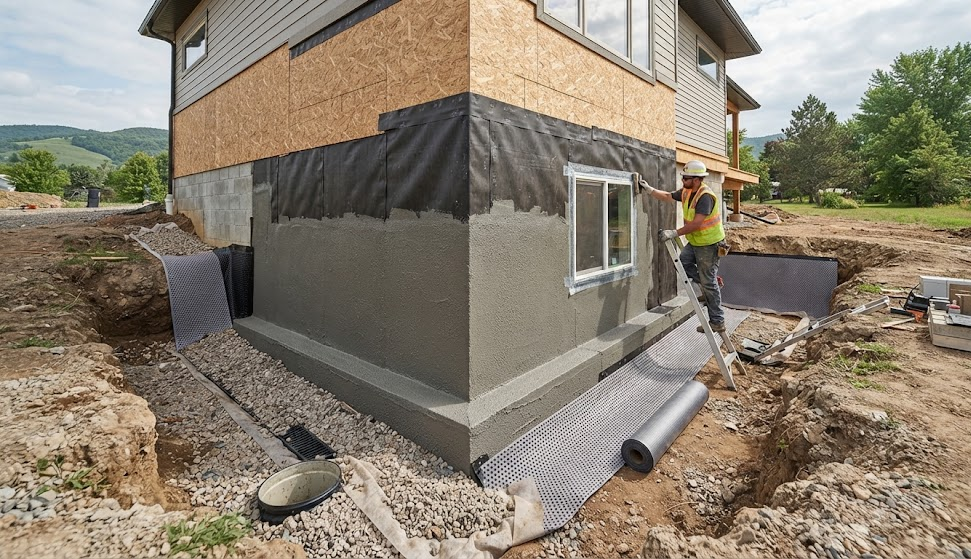
As we navigate the challenges of maintaining residential properties, waterproofing stands out as a vital concern for homeowners. This guide delves into various outdoor waterproofing solutions designed to protect homes from the damaging effects of water infiltration. Understanding these options empowers property owners to make informed decisions and preserve the integrity of their investments.
Understanding Outdoor Waterproofing Solutions
Outdoor waterproofing provides essential protection against moisture, which can lead to substantial issues if left unchecked. From structural damage to mold growth, the repercussions of inadequate waterproofing can be severe. Selecting the appropriate solution is imperative, which requires a clear understanding of various methods and materials available.
Exploring Membrane-Based Waterproofing
Among the most effective approaches, membrane-based waterproofing creates a barrier against water infiltration. This category is divided into two main types: sheet membranes and liquid-applied membranes. Each serves a unique purpose and might be suitable based on the specific requirements of a residential property.
Sheet Membranes are pre-formed waterproof barriers typically made from bituminous or polymer materials. Ideal for larger flat surfaces and vertical walls, they excel in providing robust protection against moisture intrusion.
Liquid-Applied Membranes, on the other hand, are sprayed or brushed onto surfaces. Their flexibility makes them perfect for intricate shapes where sheet membranes may struggle. This seamless application significantly reduces the risk of water penetration at joints and transitions.
Utilizing Sealants and Coatings for Enhanced Protection
Sealants and protective coatings play a pivotal role in outdoor waterproofing. These products are used to fill cracks and irregularities that may allow water to enter if left unsealed. Their application is often a complementary step following the installation of membranes, boosting the overall effectiveness of the waterproofing system.
Identifying Suitable Sealant Options
Choosing the right sealant depends on several factors, including the condition of the surface and environmental exposure. Here are some common options:
- Polyurethane Sealants: Durable and elastic, they offer excellent adhesion and flexibility.
- Silicone Sealants: Highly resistant to weathering, they perform well in areas exposed to the elements.
- Acrylic Sealants: Easy to apply and paintable, these are suitable for non-structural applications.
When selecting a sealant, consider the localized conditions to ensure that it complements the primary waterproofing method effectively. This strategic combination enhances the protective layer against moisture infiltration.
Implementing Efficient Drainage Systems
In addition to waterproofing membranes and sealants, effective drainage is crucial for managing water flow around a property. A well-designed drainage system minimizes hydrostatic pressure that can compromise waterproofing efforts. Implementing proper drainage techniques can significantly reduce the likelihood of moisture issues.
Assessing Various Drainage Solutions
Several drainage options help divert water away from foundations and exterior walls. Here are a few solutions to consider:
- French Drains: These trenches filled with gravel direct water away from the foundation.
- Gutters and Downspouts: Essential for channeling rainwater from the roof and preventing pooling around the base.
- Drainage Boards: Used in conjunction with membranes, these boards enhance water diversion away from vulnerable areas.
Integrating a sound drainage system not only acts as a first line of defense but also extends the service life of your waterproofing solutions by reducing water load on barriers.
Understanding Key Factors for Effective Waterproofing
Before embarking on any waterproofing project, several considerations must be evaluated to ensure the chosen methods align with specific needs. Recognizing the importance of environmental conditions, substrate compatibility, and aesthetic preferences is essential.
Evaluating Environmental Conditions
Local climate factors influence the success of waterproofing solutions. Areas experiencing heavy rainfall may require more robust systems like elastomeric coatings, while regions with consistent exposure to high temperatures might benefit from lighter products. Understanding these conditions ensures that your waterproofing approach is tailored for longevity and effectiveness.
Prioritizing Substrate Compatibility
Each structure’s material composition necessitates a careful assessment to choose compatible waterproofing products. Concrete, brick, or wood selections differ in porosity and stability, impacting the adhesion and performance of waterproofing systems.
Choosing the Right Materials for Aesthetic Appeal
While functionality is the primary concern, aesthetics shouldn’t be overlooked. Various waterproofing materials can either enhance or detract from a property’s visual appeal. Transparent sealants allow natural finishes to shine through, while colored membranes can be selected to complement architectural styles.
Investing in Long-term Solutions
Ultimately, investing in high-quality outdoor waterproofing solutions results in significant long-term benefits. Proper application and maintenance lead to enhanced structural integrity and occupant safety. Homeowners who prioritize waterproofing can safeguard their properties from potential damage, ensuring peace of mind for years to come.
Aligning with Experts for Seamless Waterproofing Projects
Partnering with reliable professionals can significantly simplify the waterproofing process. Experts can provide valuable insights into material selection and application techniques, ensuring compliance with local building codes and standards. Their experience also minimizes risks associated with improper installation and long-term performance issues.
By leveraging their expertise, property owners can confidently navigate the complexities of waterproofing, ultimately leading to successful, durable outcomes for their residential projects. Whether you opt for membranes, sealants, or drainage solutions, understanding your needs can direct you to the most effective waterproofing strategy.


