
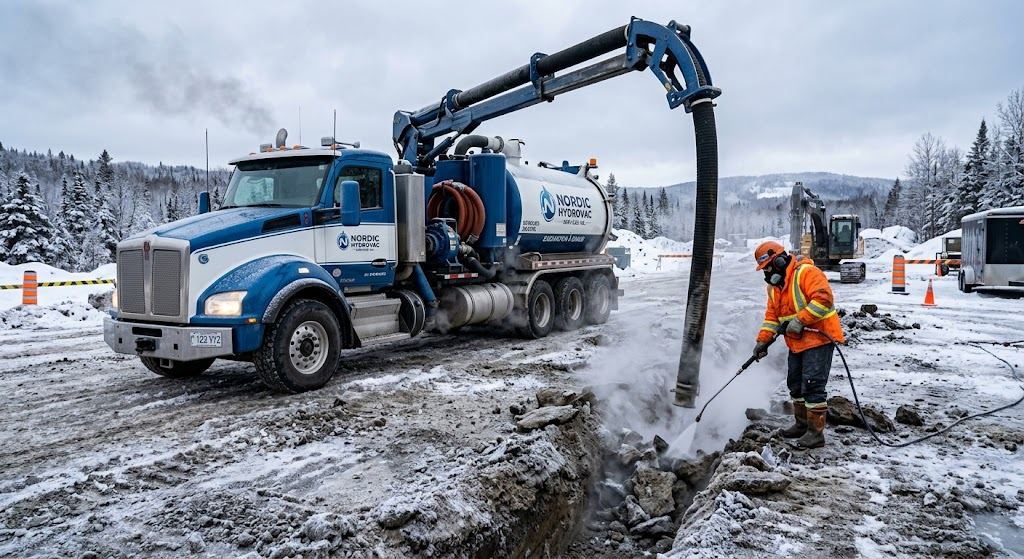
Excavation in frozen or compact soil presents unique challenges, especially during winter months when traditional methods falter. Hydrovac technology has emerged as a reliable solution, utilizing heated water and powerful vacuums to efficiently navigate through difficult ground conditions. This innovative approach allows for precise digs and minimizes the risk of damaging underground utilities.
Understanding Hydrovac Technology for Winter Excavation
Hydrovac equipment specializes in winter excavation, particularly when faced with frozen ground. The combination of high-pressure heated water and a vacuum system allows operators to delicately cut through ice and compact soil while ensuring safety and efficiency. This method not only expedites projects but also reduces risks associated with traditional mechanical excavation, such as damaging valuable infrastructure buried underground.
Key Benefits of Hydrovac in Cold Weather
Utilizing hydrovac technology for excavation during winter comes with numerous advantages that set it apart from conventional methods. These benefits include:
- Non-destructive excavation: The gentleness of hydrovac protects the integrity of existing underground utilities.
- Time efficiency: The high-pressure water stream and efficient debris removal drastically cut down on excavation time.
- Versatility: Hydrovac trucks can adapt to various ground conditions, from icy surfaces to compacted snow.
Exploring the Mechanics of Hydrovac Systems
The heart of hydrovac technology lies in its intricate mechanics, particularly how it handles frozen soil. The process begins with the use of heated water, which is vital for effectively thawing ice and compacted soil layers. Understanding how this system functions is essential for optimizing excavation performance.
Water Heating Systems
Hydrovac trucks are equipped with advanced heating systems that elevate water temperatures to between 130°F and 160°F before it is deployed. This heated water aids in melting frost and ice, enabling the vacuum to effectively extract loose soil. Without this heating element, operators would struggle to penetrate icy layers efficiently.
Optimizing Vacuum Suction
The vacuum component of the hydrovac system is equally important. By maintaining optimal suction pressure, operators can ensure that the loosened soil is swiftly extracted, minimizing downtime during excavation. This constant removal of debris reduces the chances of re-freezing and aids in maintaining a clean working area.
Techniques for Handling Compact Soil and Ice
When digging through frozen or compacted ground, specific techniques can further enhance the effectiveness of hydrovac equipment. Below are strategies that professionals leverage to navigate such challenging conditions:
- Soil Temperature Monitoring: Continuously assessing soil temperatures allows operators to adjust water temperatures and jetting pressure dynamically.
- Equipment Maintenance: Regular inspections and use of wear-resistant components help in prolonging the life of critical tools, especially in freezing temperatures.
- Adaptive Strategies: Implementing thermal blankets or heated hoses can combat freezing issues in equipment, ensuring smooth operation.
Addressing Challenges in Frozen Excavation
Despite the advantages offered by hydrovac systems, challenges remain when excavating in cold environments. Heavy frost or unexpected ice layers can still pose issues, requiring advanced planning and quick adaptability from crews. By anticipating these challenges, operators can implement proactive strategies to mitigate risks.
Understanding Soil Mechanics in Cold Conditions
A nuanced understanding of soil behavior in freezing temperatures is essential. The formation of ice lenses can disrupt the delicate balance of excavation techniques, potentially compromising the integrity of trench walls. By assessing soil moisture levels and composition, teams can better anticipate issues that may arise during their work.
Collaborative Planning for Optimal Excavation
Collaboration between crew members is vital for overcoming the inherent difficulties of cold weather excavation. Regular communication regarding environmental conditions, equipment performance, and ongoing challenges can enhance job site productivity and overall safety, paving the way for successful excavation projects.
Future Perspectives on Hydrovac Technology
As excavation demands grow in complexity, hydrovac technology is poised for further innovations. From enhancing equipment durability to implementing real-time monitoring tools, advancements will continue to shape the future landscape of cold-weather excavation. Engaging with these developments will ensure that excavation professionals remain equipped to handle the evolving challenges of frozen ground.
Continuous Learning and Adaptation
Professionals are encouraged to stay informed about emerging techniques and technologies that will aid in optimizing hydrovac procedures. Engaging in training and workshops centered around innovations in excavation can maintain a competitive edge in an industry that is rapidly adapting to climate change and evolving excavation methodologies.
Conclusion
Hydrovac equipment proves to be an indispensable asset when faced with the challenges of frozen and compact soil. Its non-destructive and efficient approach not only facilitates quicker excavation but also protects vital infrastructure. As winter excavation projects become more prevalent, understanding and harnessing hydrovac technology will remain essential for success in the field.


