
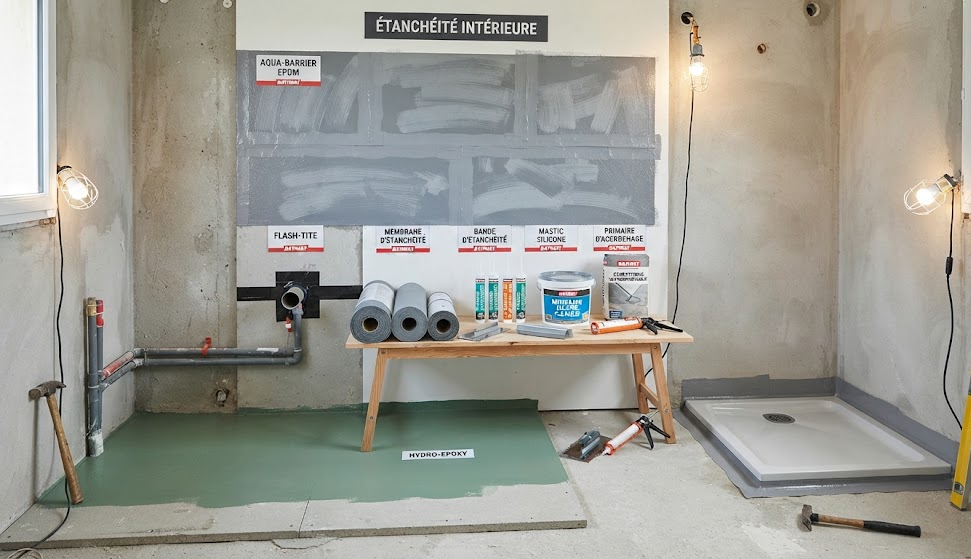
Waterproofing is an essential aspect of maintaining the integrity and longevity of a building’s interior. As environmental factors continue to influence the wear and tear on properties, finding effective solutions to prevent moisture damage has never been more critical. This article explores various waterproofing materials and their application methods, providing insights into enhancing your home’s durability against moisture.
Understanding Waterproofing Materials for Interior Use
When it comes to interior applications, several waterproofing materials stand out for their effectiveness and versatility. These options cater to different needs and types of surfaces, ensuring comprehensive moisture protection throughout a building. Below, we delve into some of the most common materials used for interior waterproofing.
Exploring Silicone Sealant
Silicone sealant is a highly flexible, durable material known for its outstanding adherence to non-porous surfaces such as glass, metal, and ceramics. Its waterproof properties make it an ideal choice for creating watertight seals in a variety of interior environments.
- Sealing gaps around windows and doors to prevent drafts and leaks.
- Waterproofing fixtures in bathrooms, such as sinks and showers.
- Bonding glass panels in aquariums or display cases.
Utilizing Polyurethane Coating
Polyurethane coatings provide a robust protective layer for materials like wood, concrete, and metal. Available in both oil- and water-based formulations, this coating offers flexibility for various projects while delivering excellent chemical resistance.
- Waterproofing wooden floors and furniture.
- Protecting outdoor patios and driveways from moisture and abrasion.
- Coating countertops for a seamless and visually appealing finish.
Implementing Other Effective Waterproofing Solutions
Alongside silicone sealant and polyurethane coatings, other materials provide diverse applications and benefits for interior waterproofing. Exploring these options can help homeowners address specific needs effectively.
Applying Epoxy Resin
This strong adhesive material forms an impermeable surface upon curing, making it highly suitable for heavy-duty waterproofing tasks. Epoxy resin is often chosen for its remarkable bond strength and chemical resistance.
- Sealing countertops and tabletops for both aesthetics and durability.
- Waterproofing marine equipment and boat hulls.
- Repairing cracks in concrete and masonry structures.
Investigating Rubberized Coatings
Rubberized coatings are versatile spray-on materials that create flexible and waterproof barriers on surfaces such as roofs and foundations. These coatings are known for their quick-drying properties and effective UV resistance.
- Waterproofing flat roofs to prevent water accumulation.
- Protecting vehicle underbodies from corrosion and rust.
- Sealing cracks in concrete walls to enhance structural integrity.
Durability in Waterproofing: Bitumen and More
When considering long-term protection, certain materials like bitumen are favored for their exceptional durability. The next section highlights these heavy-duty solutions and their typical applications.
Choosing Bitumen (Asphalt) Coatings
Widely recognized for its thick, sticky properties, bitumen creates a formidable weatherproof seal ideal for roofs and foundations. This material is particularly useful in preventing water penetration.
- Sealing cracks in concrete foundations for enhanced stability.
- Waterproofing flat roofs to guard against leaks and structural issues.
- Lining ponds and water tanks for protection against moisture intrusion.
Discovering Marine Paint
Specially formulated to withstand exposure to water and harsh weather conditions, marine paint offers reliable protection for various surfaces. It can be effectively used in both residential and industrial applications.
- Coating boat hulls to prevent rust and water damage.
- Protecting docks and piers from the detrimental effects of moisture.
- Waterproofing offshore structures, such as oil rigs and platforms.
Final Considerations for Choosing Waterproofing Materials
When selecting materials for your interior waterproofing projects, waterproofing experts can help identify the most suitable solutions based on the specific characteristics of each space. Understanding the unique properties and benefits of each option is essential. Different applications may require specific approaches, from flexible sealants to durable coatings. By choosing wisely, you can ensure your home remains protected from moisture damage and maintain its integrity over the years.
For more insights on waterproofing techniques and materials, consider exploring additional resources like Building Construction Blog.


