
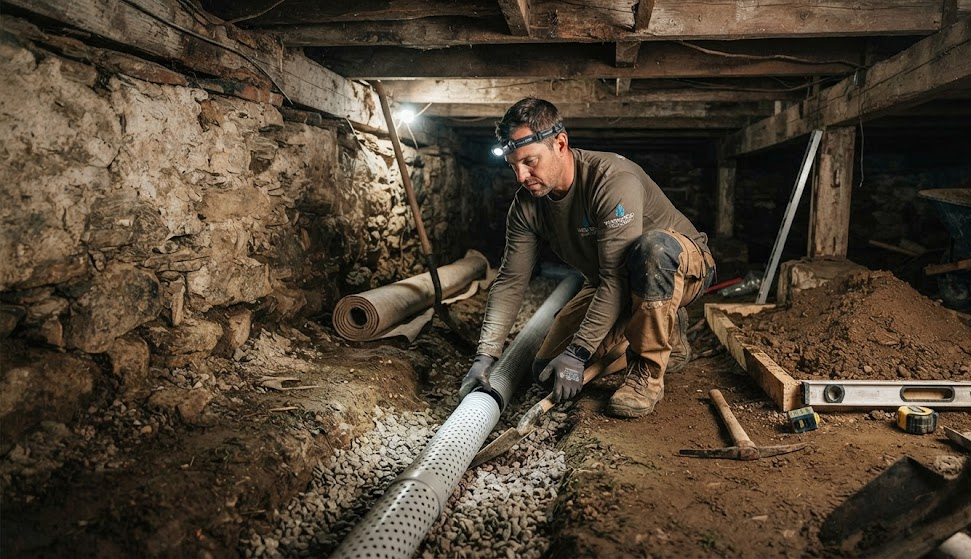
Owning an older home is often a delightful experience, full of charm and character. However, these residences come with unique challenges, particularly concerning plumbing systems. As pipes age, they can become sources of frustration, leading to clogs and inefficiencies that may compromise the integrity of your home.
Understanding the Challenges of Older Plumbing Systems
Older plumbing systems often consist of materials that, while durable, unfortunately deteriorate over time. For instance, cast iron, galvanized steel, and clay pipes were standard in past constructions. Each of these materials presents distinct challenges when maintaining a clear and functioning drain system.
Corroded and Deteriorating Pipes
Cast iron pipes, though initially strong, can rust significantly as they age. This corrosion restricts water flow, leading to slow drainage issues and potential leaks. Similarly, galvanized steel pipes, designed with a protective zinc coating, can lose that protection over time, leading to rust and mineral buildup. Clay pipes, often used for sewer lines, are especially vulnerable to root intrusions that can result in severe blockages.
Common Clogs: Causes and Prevention
Understanding the common causes of clogs in older homes is vital for any homeowner. Indeed, the infrastructure and environmental factors play a significant role in persistent drain issues. Here are a few prevalent culprits affecting older plumbing systems:
- Corroded Pipes: Over decades, materials like cast iron and galvanized steel develop rust and corrosion, narrowing the passage for water flow.
- Buildup Over Time: Soap scum, grease, and mineral deposits gradually accumulate inside the pipes, exacerbating slow drainage and leading to clogs.
- Tree Root Intrusion: Clay sewer lines are particularly susceptible to root infiltration through cracks, resulting in recurring blockages.
Signs Your Plumbing System Needs Attention
Homeowners should be vigilant about recognizing early signs of plumbing issues to prevent more severe problems. Pay attention to recurring clogs, gurgling sounds from drains, and unpleasant odors emitting from fixtures. These symptoms indicate underlying issues that require professional intervention.
Common Symptoms of Drain Problems
Identifying potential plumbing issues early can save homeowners from costly repairs. The following signs may point to drain problems:
- Slow Draining: If water lingers in your sinks longer than usual, it suggests a pending blockage.
- Frequent Clogs: Regularly experiencing clogs in various parts of your home may indicate a larger issue within your plumbing infrastructure.
- Unpleasant Odors: Foul smells emanating from your drains can point to organic buildup, necessitating prompt attention.
Effective Solutions for Clearing Clogs in Older Homes
Addressing the unique challenges of older plumbing requires effective solutions tailored to their specific issues. Conventional methods may not suffice, and homeowners should consider modern approaches for optimal results.
Hydro Jetting: A Powerful Solution
Hydro jetting is a method that utilizes high-pressure water streams to thoroughly cleanse the interiors of pipes. This technique effectively removes decades’ worth of debris, grease, and blockages without damaging older pipes.
Professional Drain Cleaning Services
Many homeowners benefit from regular professional drain cleaning, scheduled every 12–18 months. This practice helps maintain optimal flow and reduces the likelihood of future clogs. Sewage camera inspections can also diagnose underlying issues and assess the health of your pipes.
Preventing Future Drain Problems
Once your drains are cleaned and functioning properly, the next step is to implement preventive measures. Being proactive can significantly reduce the likelihood of recurring drain issues.
- Install Drain Strainers: Using strainers helps catch hair and food particles.
- Regular Maintenance: Schedule routine drain cleaning to avoid the buildup of debris.
- Avoid Pouring Grease: Always dispose of grease and oils in containers rather than pouring them down the sink.
When to Seek Professional Help
Not all plumbing issues can be resolved through DIY methods, especially in older homes. When persistent clogs or multiple drain problems arise, it’s time to call in the experts. A professional plumber can assess the situation accurately and recommend suitable solutions.
Signs You Need a Professional Plumber
While minor clogs might be manageable, some situations clearly necessitate professional intervention:
- Multiple Drain Backups: If several drains clog at once, it could indicate a blockage in the main sewer line.
- Sewage Backups: Plumbing emergencies involving sewage are serious and require immediate professional assistance.
- Water Damage: Indicators like stains or mold may suggest hidden leaks, which should prompt immediate evaluation.
Ensuring Long-Term Plumbing Health
Understanding the characteristics and challenges associated with older plumbing systems is the first step toward efficient maintenance. Homeowners should prioritize professional evaluations and proactive cleaning strategies to extend the life of their plumbing. By making informed decisions and seeking expert assistance, you can enjoy the charm of your vintage home without the worry of overwhelming plumbing issues.


