
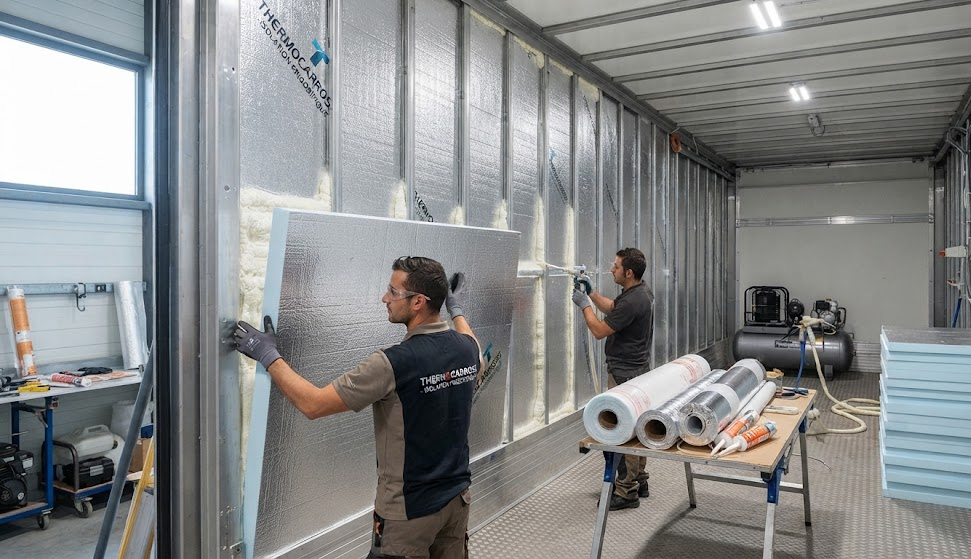
In the world of logistics and transportation, the efficiency of truck bodies heavily relies on the quality of insulation used. Various types of insulation not only protect cargo from temperature fluctuations but also enhance vehicle performance and energy efficiency. Understanding these insulation options is essential for anyone involved in the transportation of temperature-sensitive goods.
Exploring Different Types of Insulation in Truck Bodies
The insulation in truck bodies is key to maintaining stable internal temperatures, ensuring that goods such as food and pharmaceuticals remain protected during transit. Different materials offer varying levels of thermal resistance, durability, and moisture control.
Utilizing Polyurethane Foam
Polyurethane foam is a popular choice for truck body insulation due to its excellent thermal insulation properties. It effectively minimizes heat transfer, helping to maintain the required temperatures inside the cargo area. Additionally, its lightweight nature contributes to improved fuel efficiency, making it a practical option for long-distance transport.
Leveraging Extruded Polystyrene (XPS)
Another effective insulation material is extruded polystyrene, or XPS. Known for its high moisture resistance and durability, XPS offers significant thermal insulation advantages. It is particularly well-suited for refrigerated applications, effectively maintaining cold temperatures in diverse climates and weather conditions.
Understanding Composite Insulated Panels
Composite insulated panels combine various materials to create strong yet lightweight solutions for truck bodies. These panels typically consist of a foam core sandwiched between two skins, often made of fiberglass or aluminum. This design not only enhances insulation but also improves structural integrity.
Benefits of Composite Panels
Composite panels provide several advantages, including:
- Superior thermal performance: The materials used help in reducing heat transfer significantly.
- Long lifespan: These panels are designed to resist aging and maintain their insulating properties over time.
- Lightweight construction: Reduced weight leads to better vehicle efficiency.
Considering Reflective Insulation
Reflective insulation is gaining traction, especially in warmer climates. This type of insulation reflects radiant heat away from the truck body, reducing cooling demands and enhancing energy efficiency.
Key Features of Reflective Insulation
Reflective insulation offers unique benefits that make it a worthy consideration for truck bodies:
- Energy efficiency: Reduces reliance on air conditioning by minimizing heat gain.
- Versatility: Suitable for various applications, from food transport to general cargo.
- Cost-effectiveness: Lowers energy costs over time, benefiting long-haul trucking companies.
Integrating Multi-Layer Insulation Systems
Multi-layer insulation systems combine different types of insulation materials to optimize temperature control. These systems provide comprehensive solutions for temperature management in truck bodies.
Advantages of Multi-Layer Systems
By using a combination of fibrous, reflective, and rigid materials, multi-layer systems deliver:
- Enhanced thermal protection: Maintains cargo temperature across various environmental conditions.
- Noise reduction: Provides sound insulation, essential for noise-sensitive loads.
- Customizability: Designed to meet specific requirements of different industries, from pharmaceuticals to perishable goods.
Integrating Insulation into Vehicle Design
Proper integration of insulation into truck body designs is essential for optimizing performance. Companies must choose insulation materials based on the specific needs of the cargo being transported.
Factors to Consider When Choosing Insulation
When selecting insulation for truck bodies, it’s crucial to consider:
- Type of cargo: Different goods require different temperature controls.
- Transport duration: Longer hauls may necessitate high-performance insulation.
- Environmental conditions: Climate greatly influences insulation choices.
Innovations in Insulation Technology
The advancing technology in insulation materials continues to enhance truck efficiency. Companies like Austin Truck Bodies are revolutionizing the industry with portable insulation kits that simplify repairs and create strong thermal barriers.
Concluding Thoughts on Truck Insulation
As the logistics industry continually evolves, the types of insulation used in truck bodies play a vital role in ensuring the safety and quality of transported goods. By investing in the right insulation materials, companies can not only enhance performance but also cater to increasingly stringent regulatory requirements.
For those wanting more detailed insights into optimizing cold chain logistics, this resource offers valuable information on various insulation solutions in the transport sector.

