
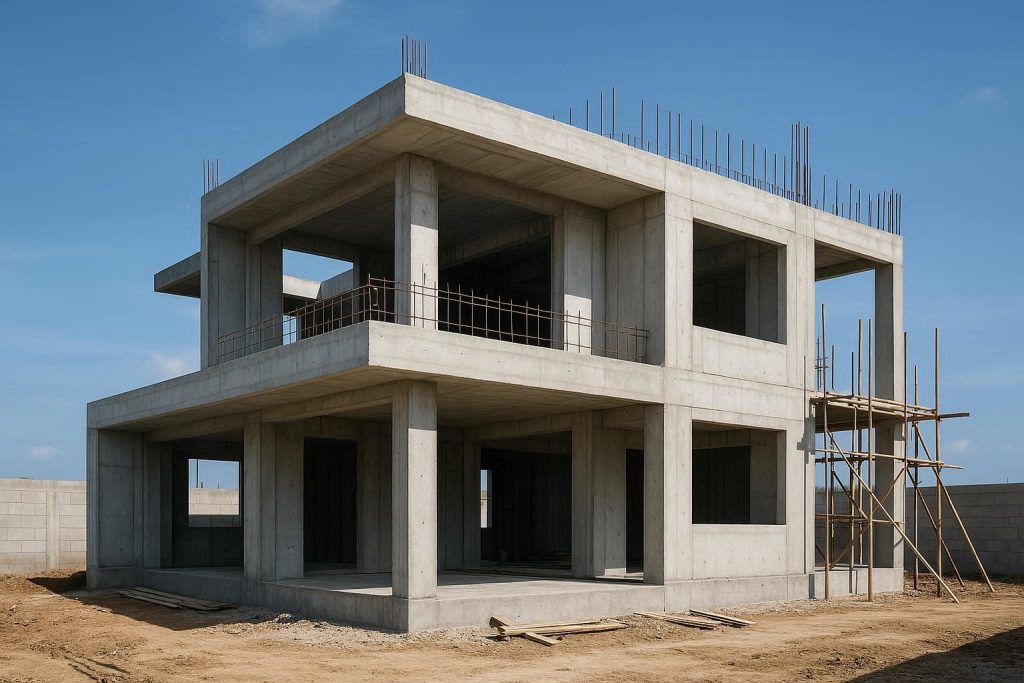
When you think about building a home, materials like wood and brick may come to mind first, but concrete truly deserves the spotlight. As a versatile and durable choice, concrete has cemented its place in modern residential construction, providing strength and aesthetic options for homeowners. Join us as we delve into the essential role concrete plays in today’s housing landscape.
Understanding the Importance of Concrete
Concrete is often regarded as the backbone of residential construction, providing steadfast support to various structures. Its journey through time reflects how integral it has become, evolving from ancient use to its modern applications.
A Brief Historical Perspective
The roots of concrete trace back to ancient civilizations. From the Egyptian mud bricks that formed the Great Pyramids to the Romans who pioneered concrete in their architectural marvels, this material showcases a legacy of evolution. The invention of Portland cement in the 19th century marked a watershed moment, significantly enhancing concrete’s strength and durability. Fast forward to the 20th century, and the advent of reinforced concrete transformed standard practices, enabling the skyward reach of skyscrapers and complex residential designs.
The Unmatched Durability of Concrete
One of the standout features of concrete is its durability. Unlike other materials, which may falter under the test of time, well-mixed concrete structures have been known to last well beyond five decades, often requiring minimal maintenance. This resilience makes concrete the preferred choice for doing heavy lifting in residential foundations. Moreover, its fire-resistant properties make it a safer alternative against potential hazards. Homeowners can rest easy, knowing their living spaces are better equipped to withstand unforeseen challenges.
Concrete in Foundations: The Cornerstone of Stability
Thinking about residential construction, one cannot understate the significance of foundations. Most homes’ stability stems from a solid concrete foundation. The benefits are clear:
- Durability: Concrete foundations are designed to endure wear over time, providing lasting support against environmental stressors.
- Fire and Pest Resistance: Being non-combustible, concrete helps in safeguarding homes against fire risks while also preventing pests from compromising structural integrity.
- Water Protection: Its impermeable nature keeps water damage at bay, thus ensuring a dry and healthy living environment.
Concrete Walls and Floors: Aesthetic and Functional Excellence
The application of concrete extends beyond foundational support. When incorporated in walls, concrete delivers impressive insulating capabilities. The dense composition of concrete results in minimal temperature fluctuations inside the home, thereby enhancing energy efficiency. This characteristic allows homeowners to enjoy lower heating and cooling costs, providing both environmental benefits and economic savings.
Versatile Designs with Concrete
While often considered utilitarian, concrete has the remarkable versatility to complement various design styles. Homeowners can choose from an array of finishes—polished, stained, or textured, making it an adaptable option for diverse aesthetics. It can skillfully mimic natural materials, such as wood or stone, allowing for unique architectural statements. This creative flexibility is one of the reasons concrete remains a favorite among architects and designers alike.
Outdoor Applications of Concrete
The prowess of concrete isn’t limited to the interior. Outside, its multifunctional character shines through in patios, walkways, and landscaping features. Concrete’s durability helps it endure various weather conditions, ensuring that outdoor spaces are maintained in top shape without excessive upkeep. A well-constructed concrete pathway can withstand the hands of time, providing both charm and practicality as it guides guests to the front door.
Environmental Considerations of Concrete
In today’s eco-conscious world, concrete stands tall as a material that incorporates sustainability into its very structure. Thanks to advancements in technology, about 50% recycled content can now be integrated into new concrete mixes, significantly lowering carbon emissions. This not only promotes recycling but also means fewer materials are sent to landfills. Furthermore, the thermal mass effect of concrete helps in regulating indoor temperatures, bolstering energy efficiency and making homes more sustainable.
Cost Effectiveness of Concrete in Residential Projects
When considering construction costs, concrete typically emerges as a budget-friendly choice. It generally costs less than alternatives like steel or wood while also promising longer lifespans. When you factor in its energy savings of up to 25%, choosing concrete becomes a wise financial decision.
In modern residential construction, concrete stands out as a fundamental material that combines strength, durability, and versatility. When considering building options, it’s wise to consult with construction experts who can guide you in making the best choices for your home projects.