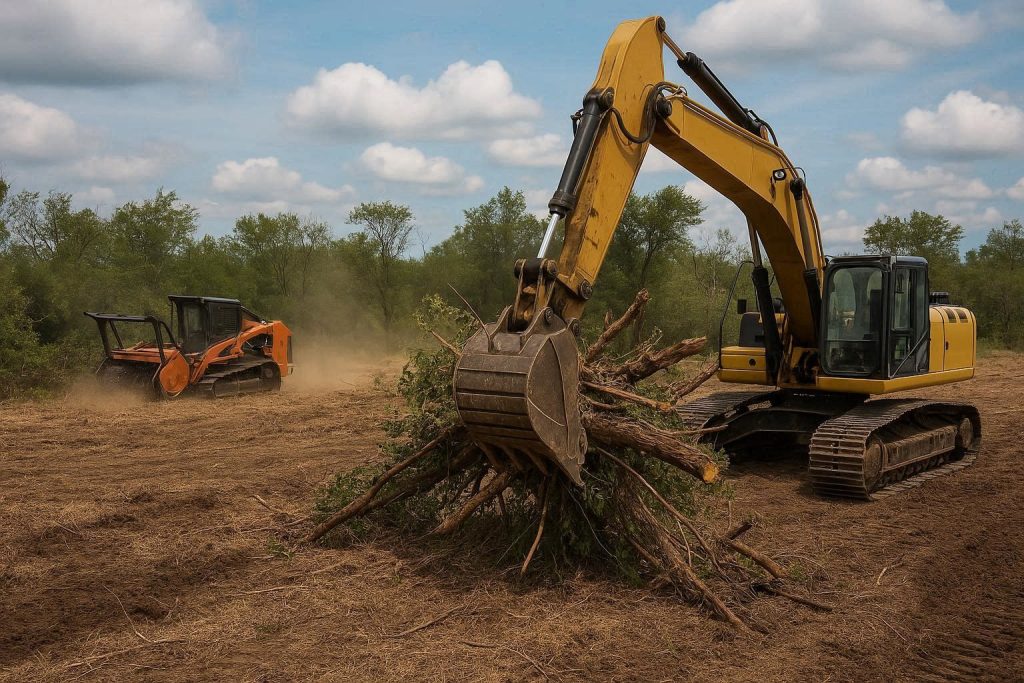
When it comes to property development, farming, or landscaping, land clearing is a fundamental step that lays the groundwork for future projects. Whether you’re paving the way for new construction or rejuvenating an overgrown area, a thorough understanding of the land clearing process is crucial for a successful outcome. This guide will provide you with a comprehensive overview of land clearing contractor services.
Assessing the Land: Laying the Groundwork
The first crucial step in any land clearing project involves assessing the property and establishing a clear set of goals. This assessment identifies obstacles such as dense vegetation, trees, rocks, or uneven terrain. Additionally, evaluating environmental factors and local regulations is vital. Are you envisioning a construction site, agricultural land, or a recreational area? Your objectives will significantly influence the clearing strategy you adopt.
Setting Objectives for Effective Clearing
Understanding your goals ensures that the clearing process aligns with your long-term vision. By categorizing the intended use of the land, you can develop a tailored plan that addresses specific challenges. For instance, if you’re clearing land for farming, you might prioritize the preservation of key natural features.
Navigating Permits and Compliance
Before embarking on the clearing journey, it is essential to secure the necessary permits to comply with local zoning laws and environmental regulations. These regulations are designed to protect wetlands, wildlife habitats, and water sources potentially affected by the land clearing activities. Engaging a professional land clearing contractor can simplify this process, as experienced providers are familiar with the required paperwork and regulations, ensuring all work adheres to legal standards.
Creating a Comprehensive Land Clearing Plan
With your goals set and permits secured, the next phase is developing a detailed land clearing plan. This blueprint outlines the tools, equipment, and techniques essential for the job. A robust plan includes:
- Identifying Protected Areas: Pinpoint significant trees or natural features to preserve during clearing.
- Vegetation Removal Strategy: Determine how to eliminate overgrown vegetation, stumps, and debris efficiently.
- Access Path Mapping: Create pathways for machinery and vehicles to traverse the site.
- Grading and Erosion Control Considerations: Make plans to prepare the land for future use.
Execution: Clearing Vegetation and Debris
Upon finalizing the plan, the actual clearing process begins. This phase can entail using heavy machinery, such as bulldozers, excavators, or mulchers, to remove dense vegetation. For smaller projects, a combination of chainsaws and hand tools may be sufficient. Depending on local regulations, you may need to employ various vegetation removal methods, including cutting, chipping, or even controlled burning.
Stump and Rock Removal: Preparing the Ground
Once the vegetation has been cleared, the next task is addressing stumps and rocks. This stage is essential for laying a stable foundation for future development. Stump grinders can grind down stubborn roots, while excavators handle larger stumps effectively. For substantial rocks, specialized machinery could be required for safe removal, preventing any hindrance to your construction plans.
Grading and Leveling
After clearing the land of stumps and rocks, grading follows to create an even surface that ensures proper drainage. Grading is crucial for preparing the area for construction or planting, as it establishes a level foundation. In some scenarios, soil stabilization practices might be necessary to mitigate erosion or enhance soil fertility.
Implementing Erosion Control
Erosion control is an often-overlooked yet pivotal aspect of land clearing, especially on sloped or uneven terrains. Installing silt fences or applying grass seed and mulch can significantly aid in stabilizing the soil. For agricultural projects, adding compost or fertilizer can further enhance the soil’s readiness for planting.
Final Inspection and Cleanup
As the project nears completion, conducting a final inspection is vital to ensure that the land meets all established goals. At this stage, a professional service will manage the cleanup, removing any leftover debris and confirming that the site is safe and ready for its intended purpose.
For more insights on specific land clearing techniques, you may also find these articles helpful: Understanding Land Clearing Techniques, Land Clearing Equipment Options, Regulations and Compliance in Land Clearing, Erosion Control Measures, and The Importance of Soil Preparation.
Choosing to hire professional land clearing contractor services ensures that your project is handled efficiently and safely. With their expertise, you can navigate the complexities of the clearing process seamlessly, allowing you to focus on bringing your vision to life. Reach out to a reliable contractor today to set the groundwork for your next project.