
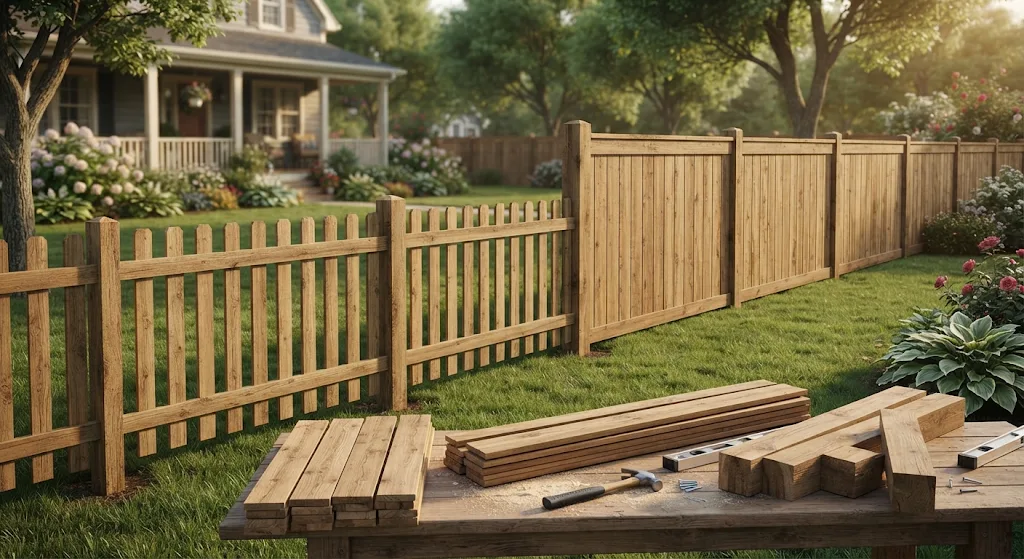
Fence Posts, Rails and Panels form a connected system: each component has a distinct role, and the way they work together determines a fence’s strength, appearance and service life. Understanding those relationships makes it easier to compare designs, select suitable materials and plan an installation that fits the site.
Fence Posts as the Foundation of Structural Support
Fence posts carry the weight of the rails and panels while transferring pressure into the ground. Their depth, size and spacing should reflect the fence’s height, the soil conditions, the material selected and the wind exposure of the site.
Posts set too far apart can leave long spans unsupported, increasing strain on rails and fixings. Posts that are not aligned or firmly anchored can also cause a fence line to lean over time, so accurate layout and stable footing are essential parts of Installation.
Post Spacing for Strength and Alignment
Post spacing is commonly determined by the panel dimensions and the fence system’s specifications. Consistent intervals help panels fit neatly, while the correct span limits bending and keeps loads distributed across the structure.
Ground that slopes or changes composition may require adjustments to the layout or foundation. Marking the full fence line before digging helps reveal such changes early and supports a straight, coherent finish.
Fence Materials and Ground Conditions
Fence materials influence post selection and maintenance needs. Timber, metal and composite systems differ in weight, moisture resistance and the type of fasteners they require; compatibility between components matters as much as appearance.
Soil that holds water can accelerate deterioration in some materials, while exposed locations place extra force on the supports. Choosing posts suited to both the fence system and the site helps preserve Durability.
Fence Rails for Reliable Connections
Fence rails run between posts and provide the framework that supports panels, boards or pickets. Their number and position depend on fence height, design and material, but the aim is consistent: limit movement and transfer loads safely to the posts.
Rail placement affects both performance and appearance. Rails positioned too low may be exposed to damp soil or debris, while insufficient support near panel edges can allow sections to loosen. Manufacturer guidance helps establish suitable locations for a particular system.
Rail Placement Across the Fence Frame
Rails are generally fixed between posts at planned heights, with their ends secured to provide a continuous frame. Taller or heavier fences may need additional support, while lighter designs may use a simpler arrangement.
Keeping rails level—or following a consistent stepped pattern on sloping ground—creates a cleaner line and reduces uneven stress. Careful measurement before fastening prevents small alignment errors from accumulating across the fence.
Connections That Resist Movement
Fasteners and brackets must suit the rail and post materials. A connection that is too weak can loosen under repeated movement; incompatible metals or untreated timber can also contribute to premature wear.
Secure joints help the frame act as one structure rather than a collection of separate pieces. That continuity is what allows the rails to support the panels reliably.
Fence Panels for Privacy and Appearance
Fence panels create the barrier’s surface, shaping its privacy, airflow and visual character. Solid panels block more sightlines but can catch more wind than open designs, making sound framing especially important in exposed areas.
Panel attachment methods vary: panels may sit within a frame, be fixed to rails, or connect through a purpose-designed system. The fastening approach should allow a secure fit without damaging the material or preventing necessary movement caused by temperature and moisture changes.
Before choosing a configuration, compare how common components contribute to the finished fence:
- Posts: anchor the assembly and support the rails.
- Rails: connect posts and provide fixing points.
- Panels: define the barrier’s coverage and appearance.
- Fasteners: secure connections and should match the materials.
The following comparison summarizes each component’s main role and a practical selection consideration.
| Component | Main Function | Selection Consideration |
|---|---|---|
| Fence posts | Anchor and support the structure | Soil, height and wind exposure |
| Fence rails | Join posts and support panels | Fence design and panel weight |
| Fence panels | Provide coverage and visual style | Privacy, airflow and material |
Panel Fit, Maintenance and Durability
Panels should fit their frame without being forced into place, and their fixings should be checked periodically for loosening or corrosion. Timber may need protection from moisture, while metal and composite products call for care suited to their finishes.
Routine inspection can identify movement, damaged coatings or trapped debris before these issues affect adjacent components. A well-matched system, correctly installed and maintained by professionals, is more likely to remain stable and attractive over time.