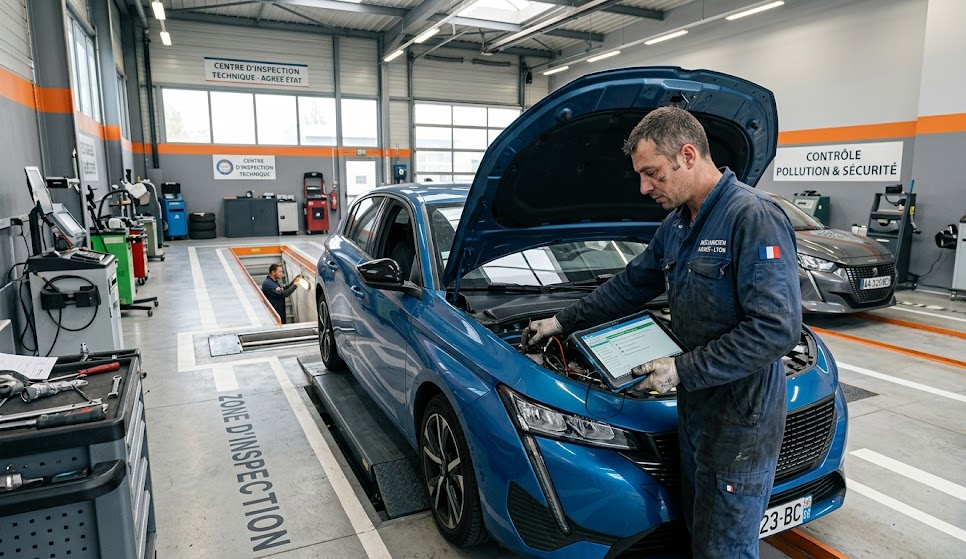
Understanding the common reasons why vehicles fail inspections can save drivers both time and money. Many assume their cars are in good condition, only to discover unexpected problems during the inspection process. From safety defects to emissions issues, this article delves into the key causes that lead to inspection failures and how to address them effectively.
Identify Common Mechanical Issues in Vehicle Inspections
A thorough vehicle inspection primarily considers mechanical reliability and safety. Numerous factors can lead to failure, so understanding these can help you prepare effectively.
Address Brake Issues Before the Inspection
Brake problems often rank high among the reasons vehicles fail inspections. A vehicle will not pass if.
- The brake pads are worn down (typically less than 2-3mm).
- The brake rotors are excessively worn or warped.
- Brake fluid levels are low or contaminated.
- There are visible leaks in the brake lines.
To avoid these issues, schedule regular maintenance and check your brakes frequently. Squealing or grinding sounds are often indicators that maintenance is needed sooner rather than later.
Ensure Proper Functionality of Lights
Faulty or malfunctioning lights can lead to inspection failure as they compromise visibility and safety. Burned-out headlights, brake lights, or turn signals are common culprits.
- Inspect all external lighting before the inspection.
- Replace any non-functional bulbs promptly.
- If multiple lights are failing, inspect the fuses or wiring for damage.
A simple check using your smartphone camera can assist in identifying burned-out bulbs that are hard to see with the naked eye.
Evaluate Tire Condition and Alignment
The tires play a vital role in vehicle safety, and their condition is closely scrutinized during inspections. Let’s examine the main reasons tire-related failures occur.
Monitor Tire Health and Alignment
Tires need to meet certain standards to pass inspection. Issues include:
- Low tread depth, which should be at least 2/32 inches for safe driving.
- Visible damage, such as punctures or bulges.
- Improper alignment, leading to uneven wear and compromised handling.
The penny test can help you check tread depth. Insert a penny into the tread with Lincoln’s head pointing down; if his head is visible, it’s time for new tires.
Check Suspension and Steering Systems
Problems with these systems may also lead to inspection failures. Issues such as a loose steering wheel, excessive bouncing, or noticeable wear on tires might indicate underlying problems. Symptoms often include:
- Excessive vibration during driving.
- Clunking noises when navigating bumps.
Resolving these problems is essential to maintaining vehicle stability and ensuring a smooth inspection process.
Tackle Visibility and Emission Problems
In addition to mechanical concerns, issues with visibility and emissions can lead to inspection failures. Understanding these can help you prepare more effectively.
Ensure Clear Visibility with Wipers
Visibility is paramount during driving, and problems with windshield wipers or a cracked windshield can hinder it significantly.
- Malfunctioning wipers can lead to streaks obstructing vision.
- An empty washer fluid reservoir may limit cleaning capabilities.
- A cracked windshield can impair line of sight.
Replace wiper blades regularly and ensure your windshield is free from cracks to maintain clear visibility.
Address Emission Control Failures
Three main areas can contribute to failure during emissions tests:
- Illuminated check engine light, which signals potential emission system issues.
- Failing emissions tests due to excessive pollutants.
- Gas cap issues, as a loose or damaged cap can result in increased emissions.
Before your inspection, a diagnostic scan utilizing an OBD-II scanner can help identify any existing issues, allowing you to resolve them beforehand.
Proactive Maintenance Can Prevent Inspection Failures
The best way to avoid an inspection failure is through proactive vehicle maintenance. Regular checks can save both time and money. Monthly evaluations can include:
- Checking tire pressure and tread depth.
- Inspecting lights for functionality.
- Reviewing wiper condition and fluid levels.
A routine maintenance schedule, coupled with seasonal preparations, can ensure your vehicle remains in optimum condition and ready for inspection.
Real-Life Example: Minor Fix Saves Major Trouble
A practical case involved a driver whose vehicle failed due to a warning light. An initial concern about expensive repairs turned out to be a loose gas cap, which was an easily fixable issue. Tightening the cap rectified the problem and allowed the vehicle to pass inspection the next day, highlighting the importance of addressing even minor issues promptly.