
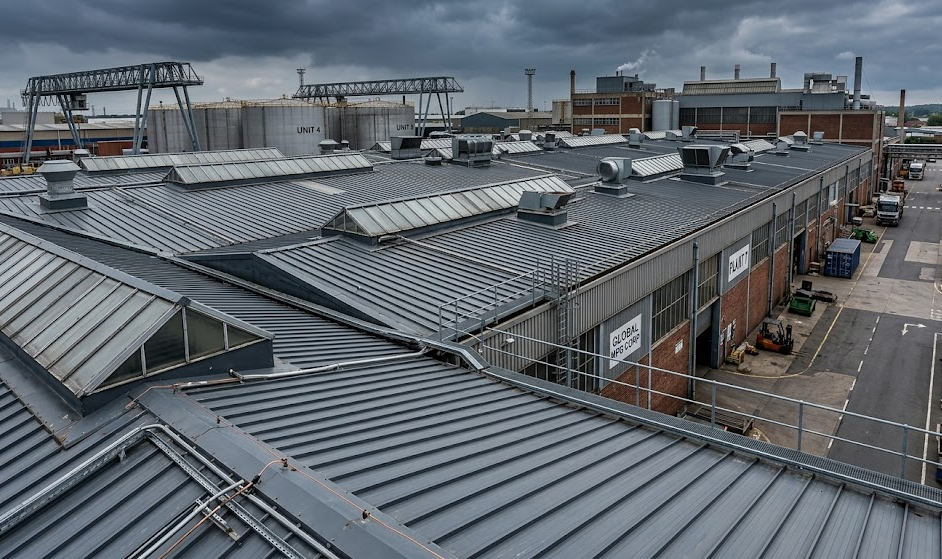
In today’s manufacturing landscape, the importance of weatherproof roofing cannot be understated. With industrial facilities facing unique environmental challenges, a resilient roofing system is essential to safeguard operations. This article delves into the critical aspects of roofing for manufacturing environments, focusing on durability, insulation, and water resistance.
Understanding the Unique Needs of Industrial Roofing
Manufacturing facilities are subject to specific demands when it comes to roofing. Each building is exposed to various factors, including pollutants, fire hazards, and fluctuating temperatures. A comprehensive understanding of these challenges is essential in selecting the right roofing system.
Addressing Fire Hazards
In facilities where open flames or intense heat are present, fire-resistant roofing options are crucial. These roofs are designed to withstand high temperatures, reducing the risk of fire outbreaks. Implementing these materials can significantly enhance safety protocols and protect valuable assets.
Dealing with Chemicals and Pollutants
Manufacturing processes often involve chemicals that can deteriorate standard roofing materials. Using weather-resistant membranes ensures long-lasting integrity, even in the presence of harsh substances. Such membranes offer superior waterproof capabilities, preventing leaks that could lead to operational disruptions.
Catering to Equipment Loads
Many manufacturing plants use their roofs for additional equipment. This necessitates roofs that can support increased weight and movement without compromising security. Regular evaluations and maintenance are essential to ensure the roofing structure remains sound and effective.
Choosing the Right Roofing Materials
Identifying suitable materials is vital for optimizing the performance of manufacturing roofs. The right choice can substantially affect energy efficiency and durability, especially in demanding environments.
Metal Roofing
Metal roofing is among the top choices for manufacturing facilities due to its longevity and robust weather resistance. It can easily withstand severe weather conditions and is often low maintenance. Additionally, metal reflects heat, contributing to energy efficiency in temperature regulation.
TPO and EPDM Membranes
TPO (Thermoplastic Olefin) and EPDM (Ethylene Propylene Diene Monomer) membranes are becoming increasingly popular in industrial settings. These options provide excellent waterproof capabilities and are resistant to UV exposure. Both materials allow for greater insulation, reducing heating and cooling costs.
Built-Up Roofing (BUR)
Built-up roofing systems are also highly effective for flat roofs. They consist of multiple layers of asphalt, combined with felt and gravel, creating a highly durable surface. This construction offers exceptional waterproofing and protects against heavy snowfall, which is essential in areas experiencing drastic temperature changes.
Implementing a Maintenance Plan
The installation of a weatherproof roofing system is only the first step. Ongoing maintenance is vital to maximize the lifespan and effectiveness of your roof. Preventative measures can spot issues before they escalate, ensuring continuous protection for your facility.
Regular Inspections
Establishing a routine inspection schedule allows facility managers to identify potential weaknesses. Inspections should focus on critical areas, including membrane integrity, drainage systems, and equipment mounting points. Addressing minor issues can prevent costly repairs in the future.
Snow Removal Strategies
In colder climates, snow accumulation can pose a serious threat. Create a snow removal plan to mitigate risks related to ice dam formations and ponding water. This proactive measure can significantly reduce wear and tear on roofing materials.
Incorporating Safety Measures
With frequent rooftop access for maintenance activities, safety measures such as guardrails and walk pads are essential. These precautions help protect personnel while also reducing the risk of accidental damage to the roofing system.
Conclusion and Recommendations
As industrial operations evolve, investing in proficient weatherproof roofing becomes a strategic decision that promotes sustainability and operational efficiency. Choosing the right materials and implementing a sound maintenance plan are key factors in achieving long-term success. For tailored solutions, consulting professional roofing experts can provide invaluable insights tailored to the specific needs of your facility.