
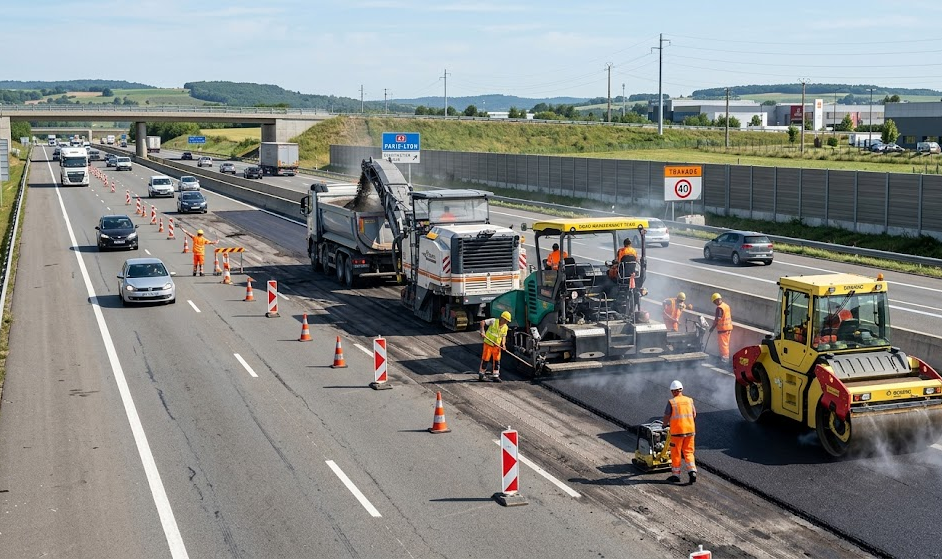
Proper roadway asphalt maintenance is fundamental for ensuring the longevity and performance of pavements. As infrastructure ages, it demands timely and effective care to prevent deterioration. This article explores essential strategies to maintain asphalt surfaces, ensuring their durability and safety over the long term.
Understanding Roadway Asphalt Maintenance
To maintain the performance of asphalt, it’s imperative to understand the factors influencing its condition. A well-maintained asphalt surface can withstand environmental stresses, heavy traffic, and usability for years. Key aspects include regular inspections, proper repairs, and proactive maintenance scheduling.
Assessing Asphalt Condition
The first step in roadway asphalt maintenance involves assessing the current condition of the pavement. Regular visual inspections can help identify signs of wear, such as cracks or potholes. Ideally, these evaluations should occur seasonally, considering variations in weather and traffic.
During these assessments, focus on:
- Identifying surface cracking patterns
- Checking for drainage issues that may cause erosion
- Evaluating the overall ride quality and appearance
These observations guide maintenance decisions to repair and preserve the asphalt surface.
Implementing Proactive Repair Strategies
Proactive repair strategies can extend the lifespan of asphalt surfaces significantly. Prioritizing minor repairs before they escalate into major problems is essential. This can involve methods such as crack sealing, patching potholes, and applying surface treatments.
Utilizing Sealcoating
Sealcoating serves as a protective layer for asphalt, shielding it from UV rays, water, and chemicals. Additionally, it enhances the appearance of the pavement, making it more visually appealing. Applying sealcoating every two to three years can considerably increase the durability of the surface.
Maintaining Proper Drainage
Effective drainage systems play a vital role in asphalt maintenance. Water accumulation can lead to severe damage, including cracking and heaving. Regularly inspect drainage systems and ensure that they are free from debris. Implementing corrective measures is necessary to redirect water away from the asphalt surface.
Establishing a Maintenance Schedule
Creating a maintenance schedule is critical for ensuring long-term performance. This schedule should include regular inspections, a timeline for repairs, and planned sealcoating applications. A proactive approach can prevent costly emergency repairs and increase the lifespan of the pavement.
Annual and Seasonal Checks
Routine checks should be established at least once per year. However, considering the local climate, seasonal checks might be necessary, particularly in regions with harsh winters or heavy rainfall. These checks can identify potential issues early, facilitating timely interventions.
Documenting Maintenance Activities
Record-keeping is essential in assessing the history of the asphalt maintenance performed. Documentation helps track repairs, maintenance activities, and their effectiveness over time. This data not only aids in planning future work but also provides valuable insights into pavement performance.
- A detailed log of inspections and results
- Records of maintenance actions taken
- Photographic documentation of condition changes
Exploring Long-Term Performance Benefits
Investing in regular asphalt maintenance yields numerous long-term benefits. Proper care enhances overall infrastructure reliability and safety. Moreover, well-maintained pavements can reduce repair costs significantly over time by preventing severe damage.
Cost-Effectiveness of Maintenance
While maintenance incurs costs, the expenses are minor compared to potential emergency repairs. Regular upkeep can save up to 75% of repair costs associated with neglected asphalt surfaces. Prioritizing maintenance is more than an aesthetic decision; it’s a financial one.
Enhancing Safety and Usability
Well-maintained asphalt not only improves pavement durability but also enhances safety for users. Smooth, crack-free surfaces reduce the risk of accidents and discomfort while driving. Therefore, investing in asphalt maintenance safeguards both vehicles and pedestrians.
Leveraging Technology in Asphalt Maintenance
The evolution of technology has transformed how we approach roadway asphalt maintenance. Innovative tools and techniques have emerged, enabling more precise assessments and targeted repairs. Utilizing technology significantly streamlines the maintenance process and maximizes efficiency.
Utilizing Drones and Imaging Technology
Modern drones can provide high-resolution images of asphalt conditions that are difficult to assess from the ground. This technology enhances visual inspections, allowing for a thorough understanding of the pavement’s integrity, detecting issues that could be overlooked.
Predictive Maintenance Analytics
Businesses can utilize predictive analytics to forecast future maintenance needs based on historical data. This proactive strategy maximizes the efficiency of maintenance operations while ensuring effective deployment of resources.
By prioritizing professional roadway asphalt maintenance, communities can ensure the durability and longevity of critical infrastructure. These maintenance strategies not only preserve the aesthetic of the surfaces but significantly enhance the safety and performance of roadways.