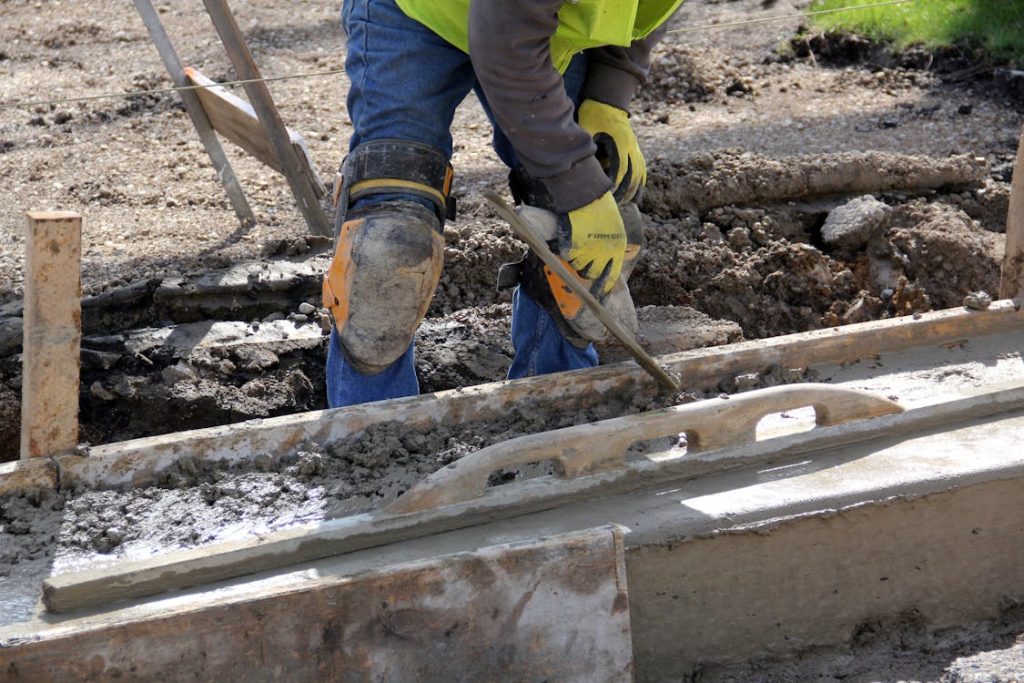
As the skyline evolves with taller and more complex structures, the construction industry is embracing modern techniques in concrete formwork to meet the demands of high-rise buildings. This article delves into the innovative systems that are revolutionizing how we construct vertical cities, ensuring both efficiency and safety in the process. Join us as we explore the cutting-edge solutions that are shaping the future of high-rise construction.
Understanding Concrete Formwork
Concrete formwork, or shuttering, is a temporary mold used to shape and support freshly poured concrete until it achieves sufficient strength. This process is vital, as it determines the structural integrity and precision of the concrete elements. Over the years, the construction industry has transitioned from traditional methods, such as timber and metal formwork, to more sophisticated, modern techniques that enhance both efficiency and sustainability.
Key Benefits of Modern Formwork Techniques
- Efficiency: Advanced formwork systems reduce construction time and labor costs.
- Precision: Engineered solutions ensure accurate dimensions and minimize surface imperfections.
- Safety: Integrated safety features protect workers while constructing at great heights.
- Sustainability: Reusable materials and efficient designs promote eco-friendly practices.
Innovative Formwork Types in High-Rise Construction
Modern formwork systems can be categorized into various types, each serving specific demands of high-rise buildings. Knowing the advantages and applications of each ensures engineers and contractors can make informed decisions.
Modular Formwork Systems
Modular formwork systems have gained popularity due to their flexibility and efficiency. These pre-manufactured elements are produced offsite and assembled quickly on-site, which drastically reduces the timeline for high-rise projects. This approach minimizes the expenses associated with labor and enhances overall project performance.
Sliding Formwork Technology
Sliding formwork is an innovative technique that allows for a continuous flow of concrete pouring. As the concrete cures, the vertical formwork moves upwards in sync with the construction progress. This method is particularly advantageous for high-rise structures, as it facilitates rapid construction without compromising quality.
Climbing Formwork Solutions
Designed specifically for soaring buildings, climbing formwork incorporates self-climbing components that adjust as the structure rises. This technique not only optimizes workspace but significantly enhances safety and productivity by allowing multiple teams to operate independently at significant heights.
Advanced Safety Features in Modern Formwork
As high-rise construction progresses, so does the focus on worker safety. Contemporary formwork designs integrate essential features that elevate safety standards on the job site.
- Protective barriers and guardrails ensure that workers are safeguarded against falls.
- Integrated lifting systems allow for safer material handling during construction.
- Enhanced stability mechanisms mitigate risks associated with high winds and structural shifts.
Utilizing Advanced Materials in Formwork
The choice of materials plays a critical role in the effectiveness of modern formwork systems. Today, a variety of materials, including aluminium and steel, offer unique benefits that cater to varying project requirements. While aluminium is favored for its lightweight properties and quick assembly, steel is preferred for its resilience in demanding load-bearing applications.
Sustainable Practices in High-Rise Formwork
Given the heightened awareness around environmental impacts, there is a increasing shift toward sustainability in construction practices. Modern formwork techniques prioritize material reuse and recycling while minimizing waste, driving a more eco-friendly approach to high-rise construction.
Revolutionizing Material Use
Using plastic and modular formwork systems drastically reduces the need for timber, which not only aligns with sustainability goals but also supports efficient logistical planning. When evaluating construction methodologies, it is crucial to consider the long-term reuse potential of these materials.
Energy-Efficient Construction Cycles
Reducing the time required for construction leads to decreased energy consumption. Techniques such as table formwork allow large sections to be assembled, ultimately shortening the overall construction timeline and promoting sustainable practices.
Embracing Technology in Formwork Execution
Embracing cutting-edge technology in formwork execution enhances operational efficiency. Automation and robotic systems enhance precision while minimizing human error, particularly in aligning and securing molds. By implementing digital solutions, contractors can also maintain better control over schedules and resources.
The Role of 3D Modeling
Using 3D modeling technologies enables construction teams to visualize formwork configurations before implementation. This practice not only improves the planning phase but also mitigates the risk of on-site alterations, enhancing overall workflow efficiency.
Conclusion: A New Era of Concrete Formwork
In today’s fast-paced construction environment, embracing modern techniques in high-rise concrete formwork is essential for achieving efficiency and safety. By leveraging cutting-edge solutions, project stakeholders can ensure their buildings are not only structurally sound but also completed within the desired timelines. For expert guidance, consult a provider specializing in advanced formwork systems to navigate these innovations effectively.