
Starting a food truck business can be a thrilling yet challenging venture for new entrepreneurs. Whether you’re passionate about culinary arts or eager to join the mobile dining trend, navigating the world of food truck manufacturing is essential. In this article, we’ll share valuable tips to help you kickstart your journey and set your food truck up for success.
Understanding the Food Truck Industry
The food truck industry has seen a remarkable surge in popularity over the past decade. With an increasing number of people looking for convenient and unique dining experiences, venturing into this business can be lucrative. However, aspiring food truck entrepreneurs must be aware of the challenges and nuances specific to this industry. Understanding your target market, researching competitors, and keeping up with food trends are fundamental steps to establish a successful food truck business.
Choosing the Right Food Truck Type
Different Food Truck Concepts
Before diving into manufacturing or purchasing a food truck, it’s essential to choose the right concept. Various styles cater to distinct customer tastes such as:
- Gourmet Trucks: These trucks focus on high-end, artisanal cuisine.
- Ethnic Food Trucks: Offer authentic dishes from various cultures.
- Health-Oriented Trucks: Emphasize organic and health-conscious meals.
- Fusion Cuisines: Combine elements from different culinary traditions.
Each type has its market segment, so conducting thorough research to identify your niche will make a significant impact on your success.
Material and Equipment Considerations
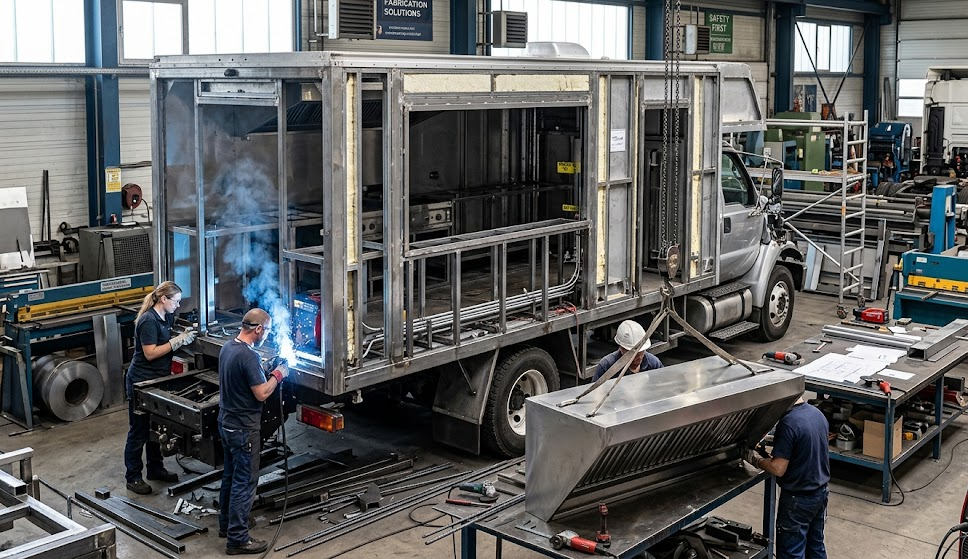
When selecting a food truck, the materials used in its construction play a pivotal role in durability and hygiene. Key points to consider include:
- Stainless Steel: Highly recommended for kitchen surfaces due to its resistance to corrosion and ease of cleaning.
- Insulated Walls: Important for temperature control, ensuring food safety.
- Ventilation Systems: Essential to manage heat and smoke produced during cooking.
Licensing and Compliance in the Food Truck Business
Navigating Regulatory Requirements
Entering the food truck business also means navigating through various licensing and compliance requirements. Each city or region may have different regulations that you must adhere to, which may include:
- Food handler permits
- Health department inspections
- Vehicle registration
- Business licenses
Ensuring that all licenses are obtained before hitting the road prevents costly delays and fines.
Building Relationships with Local Authorities
Engaging positively with local authorities can foster goodwill and simplify the compliance process. Participating in community meetings and food festivals can pave the way for smoother operations and potentially lucrative collaborations.
Effective Marketing Strategies for Your Food Truck
Creating a Memorable Brand
In a saturated market, having a unique brand identity is crucial. Elements such as a catchy name, an eye-catching truck design, and a strong social media presence help attract customers. Consider the following strategies:
- Logo Design: Develop a visually appealing logo that reflects your culinary theme.
- Social Media Engagement: Utilize platforms like Instagram and Facebook to share mouthwatering pictures of your dishes.
- Customer Interaction: Engage with your audience through polls, giveaways, and responding to feedback.
Leveraging Location and Events
Finding the right location can heavily influence your food truck’s success. Consider parking at local events, popular tourist areas, or near offices during lunch hours. Additionally:
- Participate in food truck rallies or festivals.
- Network with local businesses for catering opportunities.
Operational Efficiency in Your Food Truck
Streamlining Your Menu and Service
Efficiency is key to maximizing profits. Keeping your menu focused not only simplifies operations but also enhances quality. Consider limiting your offerings to a select few signature dishes that you can execute exceptionally well. This allows for:
- Faster service
- Reduced waste
- Lower inventory costs
Investing in Technology and Tools
Utilizing technology can significantly enhance your operations. Consider investing in:
- Point of Sale Systems: Streamlines transactions and tracks sales data.
- Inventory Management Software: Keeps track of stock levels and helps minimize waste.
- Online Ordering: Allows customers to place orders in advance, improving efficiency.
Maintaining Quality and Customer Satisfaction
Focusing on Food Quality
The cornerstone of any food business is, undoubtedly, the quality of the food. Consistently delivering delicious meals not only retains customers but also encourages word-of-mouth marketing.
Regularly solicit customer feedback and be prepared to make adjustments based on preferences and trends.
Creating a Customer-Centric Experience
A friendly and inviting atmosphere can make all the difference. Ensure your staff is well-trained in customer service, as satisfied customers are more likely to return.
By adhering to these guidelines, new entrepreneurs can navigate the complexities of starting a food truck business effectively. Establishing a firm foundation not only positions you for immediate success but also lays the groundwork for long-term growth in this dynamic industry.
Final Thoughts
In the fast-paced world of food trucks, staying adaptable and innovative is key to success. By leveraging these tips and seeking guidance from industry experts, new entrepreneurs can navigate the challenges and thrive in their culinary adventures.

