
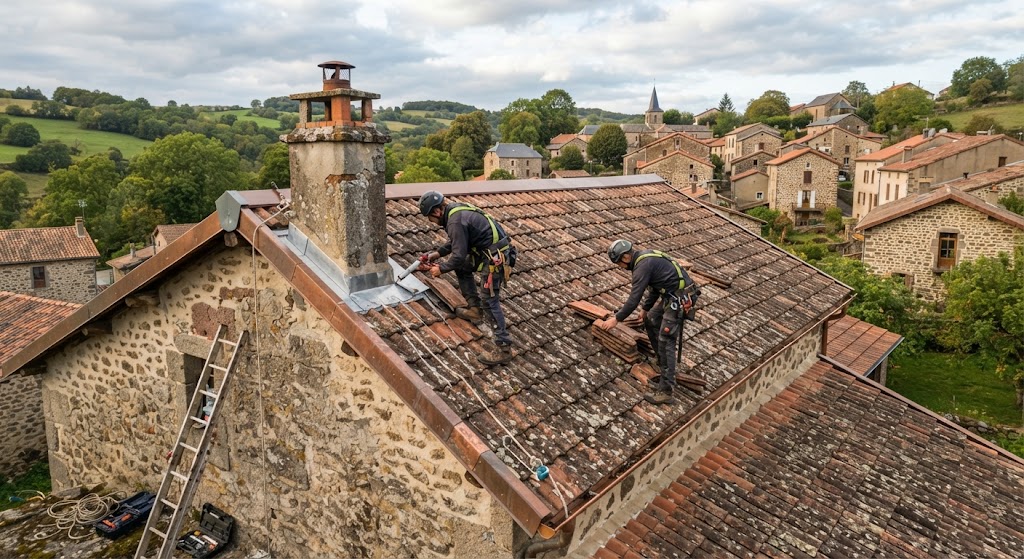
Australia’s storm season can bring heavy rainfall, strong winds, hail and sudden weather changes that put considerable pressure on residential roofs. Even a small defect can allow water to enter during intense downpours. Professional roof maintenance and timely repairs help homeowners reduce the risk of leaks before severe weather arrives.
1. Inspect Roofing Materials Before Storms
A roof inspection can identify weaknesses that might otherwise remain unnoticed until the next downpour.
Weather-exposed materials gradually deteriorate under intense sunlight, temperature fluctuations and repeated rainfall. Cracked tiles, loose metal sheets and damaged fasteners can leave vulnerable areas exposed.
A qualified roofing professional can check for:
- Missing, cracked or displaced roof tiles.
- Loose screws and deteriorated washers on metal roofing.
- Damaged ridge capping and roof joints.
- Cracked sealants around roof penetrations.
Addressing these issues early helps reduce the likelihood of water entering the roof cavity during storms.
2. Keep Roof Drainage Systems Clear
Effective drainage is essential when heavy rain falls within a short period. Blocked gutters and downpipes can cause water to overflow towards eaves, fascia boards and other vulnerable areas.
Why Gutter Maintenance Matters
Unrestricted water flow allows rainwater to drain away from the property rather than accumulating around the roofline. Leaves, dirt and debris can obstruct this process, increasing the risk of moisture damage.
Professional gutter cleaning and drainage inspections help identify blockages, loose brackets and inadequate drainage before severe weather develops.
3. Check Flashing and Roof Seals
Flashing protects the vulnerable junctions where roofing materials meet walls, chimneys, skylights and vents. If these connections deteriorate, wind-driven rain may penetrate even when the main roof covering remains intact.
Roof penetrations deserve particular attention because sealants can crack and flashing can loosen over time.
A roofing specialist can assess these areas, replace damaged components and ensure repairs are appropriate for the roofing system. Applying additional sealant without identifying the underlying fault may only provide temporary relief.
4. Understand the Risks of Storm Damage
Not every roof leak develops gradually. Hail can crack tiles, falling branches can puncture roofing sheets, and strong winds can lift poorly secured materials.
After severe weather, arrange a professional roof inspection if you suspect damage.
Look for these warning signs from a safe position:
- Water stains appearing on ceilings or walls.
- Roofing materials displaced in the yard.
- Gutters overflowing or separating from the roofline.
- New damp patches or unusual dripping sounds indoors.
Avoid climbing onto a wet or storm-damaged roof, as the risk of falling is significant.
5. Arrange Preventive Roof Maintenance
Preventive maintenance involves identifying and addressing minor defects before they become major repairs. Scheduled professional inspections can reveal deteriorating materials, drainage problems and vulnerable roof junctions.
The appropriate inspection frequency depends on the roof’s age, condition, surrounding trees and exposure to severe weather. Properties affected by frequent storms may benefit from more regular assessments.
Preparing your roof for Australia’s storm season is about more than preventing immediate leaks. Professional maintenance helps protect your home’s structure, preserve insulation and reduce the likelihood of expensive water damage when the weather turns.