
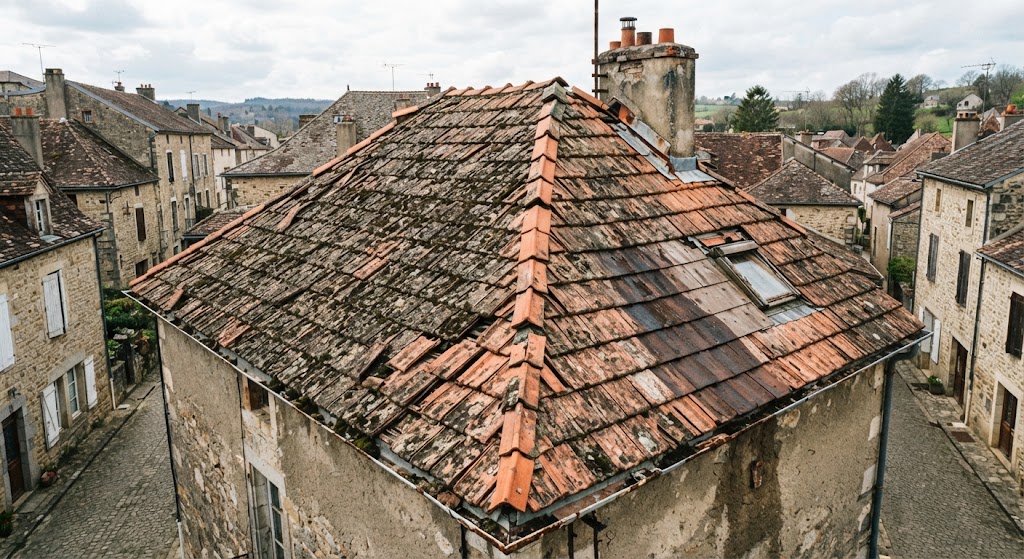
A failing roof can compromise your home’s safety, energy efficiency and structural integrity. Recognising the early warning signs of roof damage helps homeowners arrange timely repairs before minor defects turn into costly problems. From missing tiles to unexplained ceiling stains, several indicators suggest your roof needs professional attention.
1. Visible Signs of Roof Damage
Some roof problems are easy to spot from the ground, while others require a closer inspection by a qualified roofing professional.
Common warning signs include:
- Missing or damaged materials: Cracked tiles, loose sheets or missing shingles can expose the underlying structure to rain and wind.
- Sagging rooflines: A dip in the roof may indicate structural deterioration, weakened supports or prolonged moisture exposure.
- Rust and corrosion: Metal roofing can develop rust patches, particularly around fasteners, joints and exposed edges.
- Damaged flashing: Loose or deteriorated flashing around chimneys, skylights and roof vents can allow water to enter.
These issues can worsen quickly during severe weather, making professional roof repairs essential when visible deterioration appears.
2. Interior Clues That Your Roof Is Failing
Roof damage does not always become apparent from outside. In many cases, the first warning signs appear inside the home.
Water Stains and Dampness
Ceiling discolouration often signals a leak, particularly when brown patches appear after rainfall. Peeling paint, bubbling plaster and damp insulation may also indicate water entering through damaged roofing materials.
Mould and Rising Energy Bills
Persistent moisture can encourage mould growth in roof cavities and affect indoor air quality. Meanwhile, damaged roofing or insulation may reduce thermal efficiency, making rooms harder to keep comfortable.
Important distinction: Condensation can resemble a roof leak, so a professional assessment is needed to identify the actual source of moisture.
3. When Should You Arrange a Roof Inspection?
The urgency of roof repairs depends on the type and extent of the damage. Missing tiles, loose metal sheets and recurring leaks deserve prompt attention, particularly before another storm arrives.
Arrange a professional inspection if you notice:
- Water entering the home during rainfall.
- Repeated leaks despite previous repairs.
- Unusual noises or movement during strong winds.
- A sudden change in the roof’s appearance.
Early intervention can prevent damage from spreading to ceilings, insulation, timber framing and electrical components.
If water is near electrical fittings, avoid the affected area and seek appropriate emergency assistance.
4. Why Professional Roof Assessments Matter
A damaged roof may have several underlying faults that are not immediately visible. A roofing specialist can examine the roof covering, flashing, drainage and supporting structure to determine the extent of the problem.
A thorough inspection also helps distinguish between isolated defects and widespread deterioration. This allows the professional to recommend suitable repairs and explain whether further investigation is necessary.
Recognising the warning signs of a failing roof is the first step towards protecting your property. Acting promptly can reduce repair costs, preserve structural integrity and help keep your home weatherproof.