
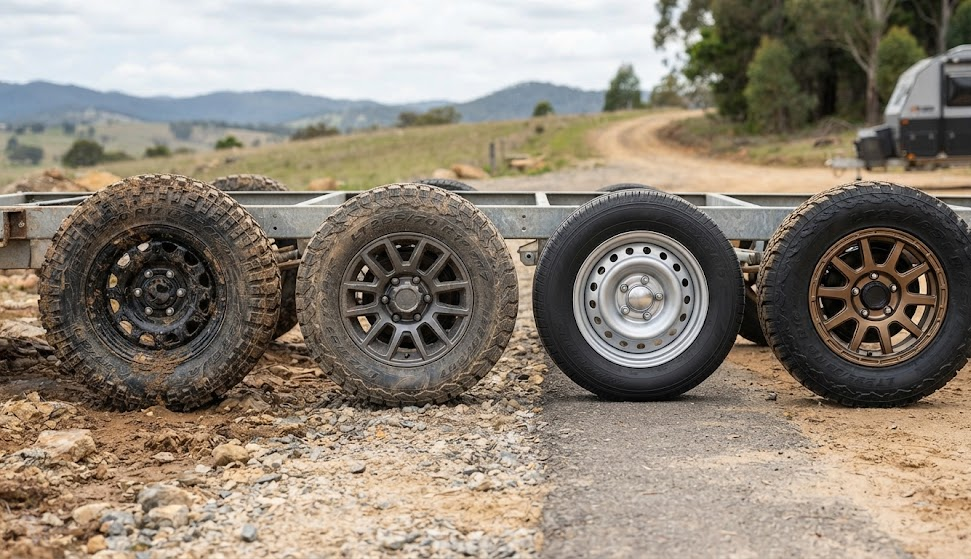
Choosing the right caravan wheels can significantly impact your travel experience, particularly as your adventures take you across various terrains. Whether traversing smooth highways or untamed trails, understanding the specific demands of your journey is essential. This guide will shed light on the types of caravan wheels tailored for different travel conditions, ensuring you make informed decisions for safety and comfort.
Recognizing the Importance of Caravan Wheel Types
When it comes to caravan travel, wheels aren’t merely functional components; they are the lifeline connecting your vehicle to the road. The right caravan wheel types will enhance your handling, improve fuel efficiency, and ensure that your adventures are safe and enjoyable. Selecting the wrong wheels can lead to a myriad of issues, including ineffective steering, increased wear on tyres, and potential breakdowns. Understanding different wheel specifications is fundamental to ensuring a smooth journey.
Identifying Your Caravan’s Wheel Requirements
Every caravan has specific requirements based on its design and intended use. To determine suitable wheels, start by examining key compatibility factors:
- Bolt Pattern: Identify the number of studs and the exact configuration for mounting.
- Centre Bore Diameter: The wheel’s centre must fit correctly over the hub to ensure stability.
- Wheel Size: Common sizes range from 13″ to 15″, and width must accommodate tyre dimensions.
- Tyre Load Rating: Ensure tyres can support the maximum weight your caravan will carry.
- Brake Type: Verify wheel compatibility with either drum or disc brakes.
A comprehensive understanding of these factors will prevent misfits that could compromise safety on the road.
Exploring Different Wheel Materials and Designs
The material and design of caravan wheels play a crucial role in their performance. This section elucidates the two most prominent types: steel and alloy wheels, highlighting their unique attributes.
Steel Wheels: Durability Meets Affordability
Steel wheels are often favored for their robust nature, making them a reliable choice for heavier caravans. They are less susceptible to damage and are typically more affordable than their alloy counterparts. However, they can succumb to rust over time, particularly if exposed to harsh conditions. Steel wheels are ideally suited for on-road travel and can withstand everyday wear and tear.
Alloy Wheels: Lightweight and Stylish
In contrast, alloy wheels are appreciated for their weight advantage and aesthetic appeal. They enhance a caravan’s overall performance, providing a smoother ride on paved roads. However, they may not be as durable as steel wheels in off-road conditions. If your travels primarily involve scenic routes with well-maintained roads, alloy wheels could be the better option.
Understanding the Impact of Terrain on Wheel Selection
Your caravan wheels must adapt to the conditions you plan to encounter. The terrain can largely dictate the type of wheels required to ensure an enjoyable journey.
Off-Road Wheels: Built for Adventure
For those who love venturing off the beaten path, off-road wheels are designed with thicker tyres and reinforced materials. These wheels support rugged tracks and can handle the added stress of uneven surfaces. Choosing off-road wheels ensures greater traction and stability, helping prevent damage to both the wheel and the caravan.
On-Road Wheels: Comfort and Efficiency
In contrast, on-road wheels prioritize comfort and fuel efficiency, making them perfect for long highway trips. These wheels are designed to minimize rolling resistance and enhance fuel economy, thus offering a smoother driving experience. If your travels take you mostly along well-maintained roads, these wheels can be the perfect fit.
Crucial Considerations for Wheel Selection
When shopping for caravan wheels, it’s essential to consider various specifications carefully. Ensure you have all relevant information at hand, including your caravan’s make and model, as well as any required specifications like:
- Current Wheel Size: Note the diameter and width.
- Load Ratings: Make certain that wheels can accommodate your fully packed caravan.
- Brake Configuration: Confirm compatibility with your caravan’s braking system.
Working closely with a qualified caravan technician or verified dealer will further ensure that your chosen wheels meet all necessary standards.
Maintaining Your Caravan Wheels for Optimal Performance
Investing in the right wheels goes hand in hand with proper maintenance to prolong their life. Implementing maintenance routines is pivotal in avoiding unnecessary wear or damage.
Essential Maintenance Practices
Basic maintenance tasks include:
- Regular Pressure Checks: Keep tyres inflated to the recommended pressure to prevent uneven wear.
- Visual Inspections: Examine wheels for signs of cracks, rust, or damage after trips.
- Tyre Rotation: Rotate your tyres every 10,000 miles to distribute wear evenly.
These simple habits can drastically improve your wheels’ longevity and significantly enhance your travel safety.
Seeking Expert Guidance for the Best Choices
As technology evolves, staying informed about the latest caravan wheels and modifications is key to ensuring a secure and delightful travel experience. Consulting experts in caravan parts and maintenance can provide insights tailored to your specific adventures. They can help in choosing wheels that match both aesthetic preferences and functional demands, bridging the gap between safety and style in your travel escapades.
Consider upgrades such as hub-centric rings or specific brake hub compatibility to enhance your caravan’s safety and handling. Taking time to investigate and consult professionals may improve your travel experience remarkably.

