
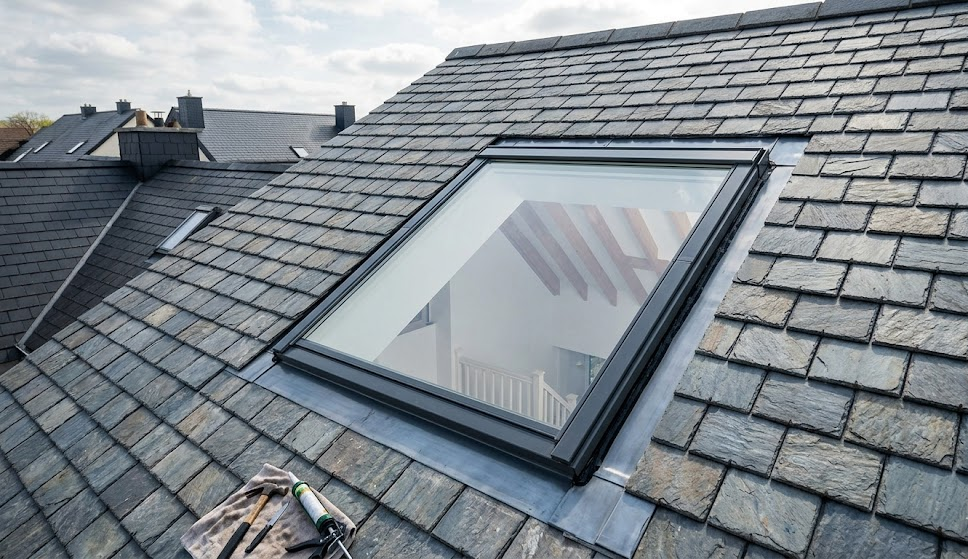
Introducing a skylight into your home can dramatically enhance your space, infusing it with natural light while simultaneously improving energy efficiency and ventilation. However, selecting the perfect skylight installation option can be daunting, given the variety of styles, sizes, and functionalities available in the market today. By understanding your needs and considering critical factors, you can make a well-informed decision that enhances both comfort and aesthetic appeal in your living space.
Understanding Skylight Types
Before diving into the specifics of installation, let’s take a closer look at the different types of skylights available. Each type serves unique purposes and is suited to various environments.
Fixed Skylights
Fixed skylights are designed to remain sealed and do not open. They are best for areas like hallways and attics where ventilation isn’t necessary.
Vented Skylights
For those looking to enhance airflow in kitchens and bathrooms, vented skylights are an excellent option. These can be opened to promote ventilation, helping to reduce humidity and maintain indoor air quality.
Sun Tunnels
If space is a constraint, sun tunnels could be your way to go. These are perfect for illuminating tight or dark spaces without the need for a large opening in the roof.
Key Factors to Consider for Skylight Installation
Choosing the right skylight is only part of the equation; proper installation is paramount to ensure optimal performance and longevity. Here are some essential factors to take into account:
Energy Efficiency Matters
To maximize your energy savings, look for skylights featuring low-E glass and double-paned options. These features provide better insulation and can cut heating and cooling costs by up to 40%. Moreover, ensure proper placement – a skylight facing north provides soft, consistent light without excessive heat gain, while a south-facing skylight can help harness warmth during winter months.
Size and Placement Guidelines
The size of your skylight should typically be about 5 to 15% of the room’s floor area. Proper placement impacts light quality, so consider how you want the light to enter your room. For example:
- North-facing: Delivers consistent, uniform light, suitable for spaces like offices or studios.
- South-facing: Maximizes sunlight exposure, ideal for living rooms or dark hallways.
- East-facing: Lets in gentle morning light, perfect for bedrooms.
- West-facing: Captures evening light, excellent for dining and living areas.
Hiring a Professional for Installation
Opting for professional installation can save you time and prevent potential complications, such as leaks and compliance issues with building codes. When hiring a professional for installation, look out for key qualifications:
- Proven experience with the specific skylight models
- Valid licenses and insurance
- Written estimates and clear communication skills
Proper installation is crucial for preventing water infiltration and ensuring the skylight functions smoothly over time.
Exploring Material Choices
Another critical aspect of skylight installation is choosing the right materials. The choice between glass and plastic can significantly influence the skylight’s durability, clarity, and insulation capabilities.
Glass vs. Plastic Skylights
Glass skylights provide excellent clarity and insulation but come at a higher initial cost. They resist UV rays well, ensuring longevity without significant wear. Conversely, plastic skylights, made from materials like polycarbonate or acrylic, offer increased impact resistance and are typically more affordable. Yet, they may have a shorter lifespan and can cloud over time.
Local Weather and Customization Challenges
Your local climate plays a significant role in the performance of your skylight. In snowy regions, choosing insulated models can prevent ice dam formation. Conversely, in sunny locations, low-E coatings can help keep interior temperatures manageable. Additionally, numerous customization options are available, including:
- Openable designs for ventilation
- Various glazing options such as tinted or laminated glass
- Integrated control mechanisms such as manual, electric, or solar-powered openings
Transforming your home into a brighter, more inviting space begins with choosing the right skylight installation option — a decision you won’t regret.
Selecting the perfect skylight installation option is crucial for enhancing your home’s ambiance and energy efficiency. To ensure a seamless process and optimal results, consider consulting with a skylight installation professional who can guide you through the various choices and installation requirements tailored to your unique needs.