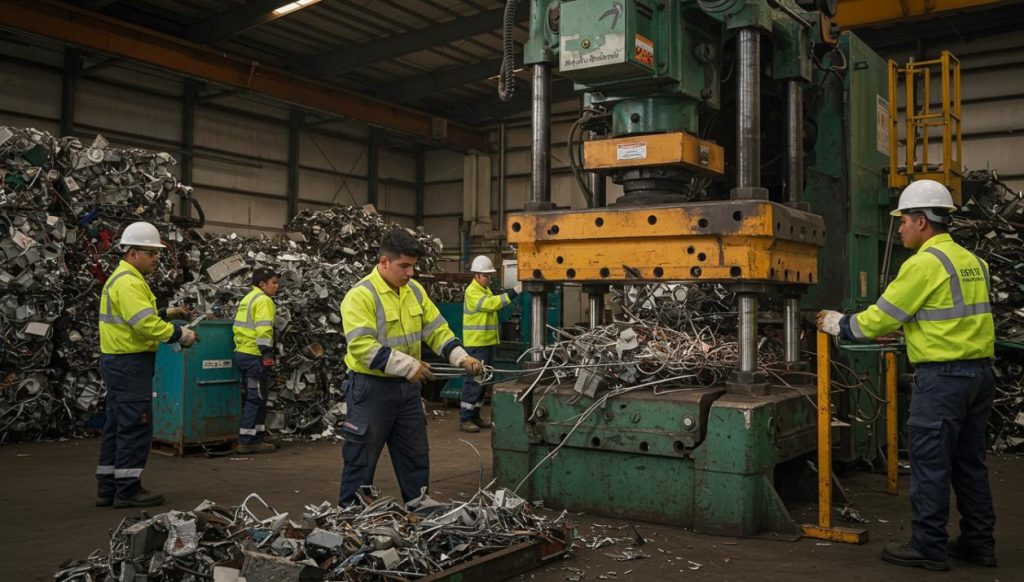
Ferrous and non-ferrous metals follow different paths through recycling facilities, and knowing which materials are commonly accepted can make sorting safer and more efficient. From everyday steel to valuable copper, acceptance depends on the metal’s condition, preparation, and the facility’s equipment and local rules. Identifying the material before delivery helps protect workers and keeps reusable resources in circulation.
Metal Categories Accepted at Recycling Facilities
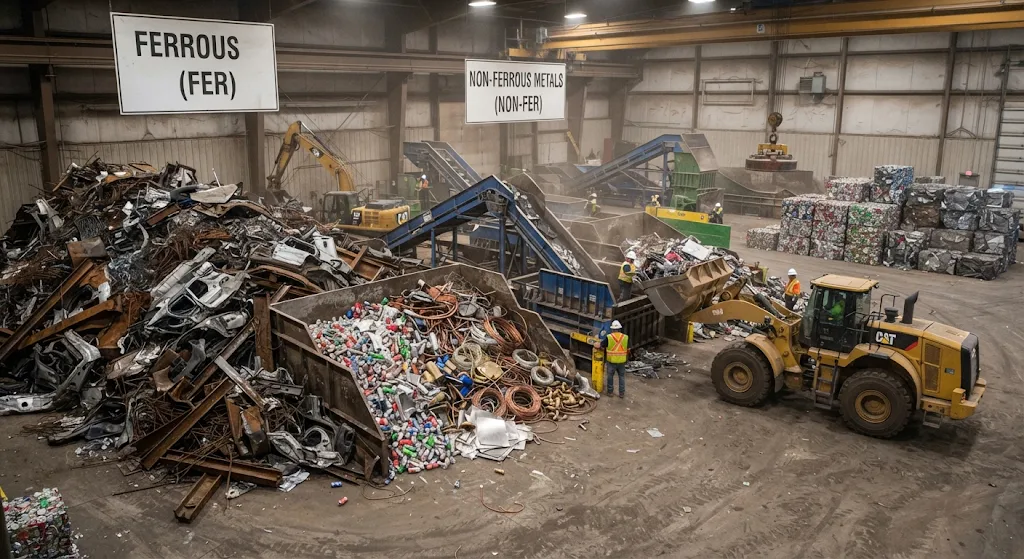
Recycling facilities generally sort scrap metal into two broad groups: ferrous metals, which contain iron, and non-ferrous metals, which do not. This distinction matters because composition affects how a material is separated, processed, and valued as a recyclable resource.
Ferrous materials include iron and steel, as well as many grades of stainless steel. Non-ferrous metals commonly include aluminum, copper, brass, bronze, lead, and zinc; each has properties that support different manufacturing uses.
Ferrous Metal Types and Sorting
Iron and steel are widely recovered from appliances, structural components, machinery, and construction debris. Many ferrous items respond to a magnet, making magnetic separation a practical first step at recycling facilities.
Stainless steel is also iron-based, although its alloying elements and corrosion resistance can affect how it is sorted. A magnet is a useful clue, not a definitive test, so facilities may rely on additional identification methods.
Non-Ferrous Metal Types and Value
Aluminum is lightweight and common in frames, siding, and containers, while copper often appears in wiring, pipes, and fittings. Brass and bronze are copper alloys; zinc is used in coatings and components, and lead may be found in batteries or older building materials.
Because non-ferrous metals are not attracted to ordinary magnets, facilities separate them using other techniques. Their distinct composition makes correct sorting important for producing clean material for reuse.
Preparation Rules for Scrap Metal Recycling
Before transporting scrap metal, check the receiving facility’s accepted-material list. Requirements vary: some locations take mixed loads, while others ask for metals to be separated by type or reject items with excessive contamination.
Preparation also reduces safety risks and processing delays. These basic steps help make a load easier to assess:
- Separate ferrous and non-ferrous metals when the facility requests it.
- Remove attached plastic, wood, insulation, and other non-metal materials when safe and permitted.
- Keep batteries, sealed containers, and items containing liquids out of ordinary scrap loads.
- Ask the facility how to handle painted, coated, or potentially hazardous materials.
Construction materials may combine metals with coatings or other components, so careful separation can be especially useful during renovation. Related guidance on construction material choices and building components can provide broader context for identifying materials before disposal.
Facility Acceptance and Responsible Handling
Acceptance is not universal. A facility may take clean steel and aluminum but decline lead-bearing items, sealed tanks, or materials with hazardous residues; another may direct those items to a specialist. Contact the site before delivery, particularly when the metal’s identity or condition is uncertain.
Lead deserves special care because exposure can harm health, and old coatings or components may release hazardous dust. Do not cut, grind, or dismantle suspected lead-containing materials without appropriate expertise; follow local disposal guidance instead.
Accepted Loads and Common Restrictions
Facilities often assess whether a load is identifiable, safe to handle, and suitable for their equipment. For instance, attached insulation can complicate wire processing, while closed containers may pose risks if they retain pressure or flammable residue.
Recycling Outcomes and Material Quality
Cleanly sorted scrap can return to manufacturing as feedstock, reducing the need to extract and process new raw materials. Keeping alloys distinct also helps preserve the properties needed for products made from copper, brass, bronze, stainless steel, or aluminum.
For difficult-to-identify materials, mixed loads, or potentially hazardous components, consult the recycling facility or a qualified waste-management professional before handling or transport. Clear identification and safe preparation are the best first steps toward responsible metal recovery.