
Transforming interior spaces is an art, and tactile elements like textured wall coverings play a pivotal role. These treatments not only beautify your walls but also create an inviting atmosphere, blending functionality with aesthetics. From rustic charm to modern elegance, the range of options available invites exploration.
Explore the World of Textured Wall Treatments
The realm of textured wall coverings is vast and varied. It includes techniques that add visual interest and dimension, resulting in spaces that feel more dynamic and engaging. Whether you want the rustic appeal of wood panels or the sleekness of microcement, there is a suitable option for every design preference.
Understanding Textured Walls
Textured walls are any surfaces with tactile variations that transcend flat paint. These could be structural finishes like plaster or microcement, or materials applied on top, such as panels or wallpaper. The advantages are multifaceted; not only do they enhance aesthetics, but they also help conceal flaws and improve acoustics.
Experience Different Types of Textured Finishes
Diving deeper, let’s explore some popular textured wall finishes, each bringing its unique flair to interiors.
Plaster and Venetian Plaster
Venetian plaster is renowned for its sophisticated finish reminiscent of polished marble. Dating back to ancient Rome, its composition involves slaked lime and marble dust carefully applied in layers and burnished for depth. This treatment thrives in spaces with indirect lighting, accentuating its intricate details.
However, traditional Venetian plaster can be costly. It typically ranges from $8 to $30 per square foot, but its durability justifies the investment, as it forms a robust, long-lasting surface.
Limewash Techniques
Limewash has gained traction for its natural aging properties, enhancing over time. This treatment creates a chemical bond with its surface, delivering an organic finish that feels timeless. Ideal for bedrooms and living areas, limewash is also budget-friendly, typically costing about $5 to $15 per square foot.
Wood Paneling Solutions
Wood paneling introduces warmth that paint can’t replicate. Contemporary designs of wood slat walls have grown in popularity, reflecting a shift towards lighter, more textured options. Shiplap or board and batten styles can reintroduce a classic appeal, while also fitting seamlessly into both traditional and modern spaces.
- Shiplap: Horizontal boards that create a layered yet clean look.
- Board and Batten: Wider panels combined with vertical strips for a more architectural feel.
- Vertical Slat Panels: These embrace modern minimalism and often come with acoustic properties, making them functional choices for home offices.
Incorporate Stone and Brick Veneer
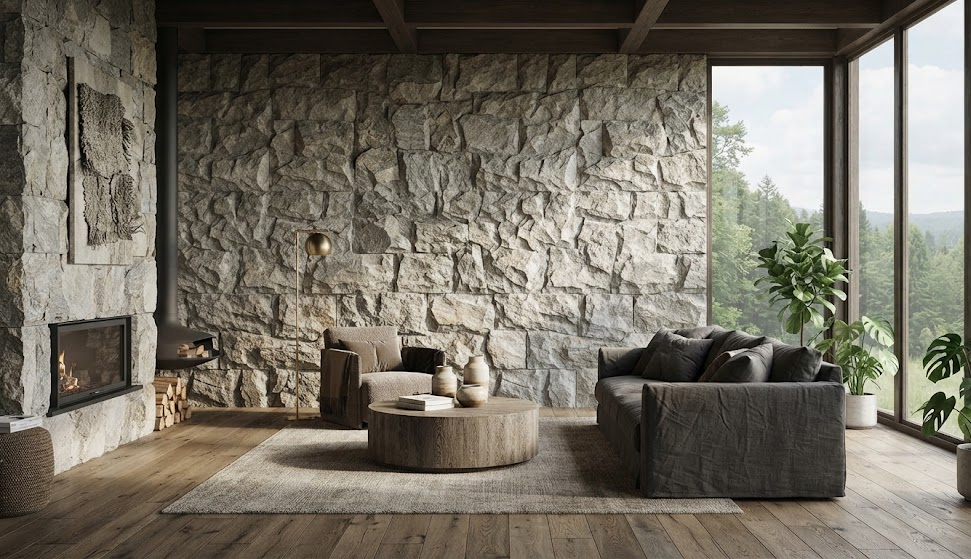
Stone and brick veneer brings undeniable visual weight to any room. Real exposed brick may only be achievable in older buildings or new constructions designed for it, thus, brick slips and manufactured stone are commonly preferred options. These materials deliver authentic texture and character without the cumbersome weight of full masonry.
Utilizing Textured Wallpaper
For those seeking a temporary or less invasive option, textured wallpaper offers great flexibility. Ideal for rentals, these wallpapers come in peel-and-stick variants that allow a quick, mess-free transformation. Natural fiber wall coverings like grasscloth add genuine texture and character to walls, greatly enhancing the overall aesthetic.
3D Wall Panels and Decorative Elements
3D wall panels, made from diverse materials, can create stunning focal points. Options like PVC and MDF are particularly popular for their affordability and ease of installation. These panels can effectively play with light and shadows, transforming the perception of space dramatically.
Experiment with Paint Texture Techniques
Perhaps the most accessible method to introduce texture is through paint techniques. Sponging, rag rolling, and color washing allow homeowners to explore creative ways to add depth with simple materials. These methods utilize latex paint mixed with glaze mediums, enabling you to manipulate the surface for unique finishes.
Each technique brings a different aesthetic, making it easy to adapt the look to fit your unique style:
- Sponging: Creates a soft, cloud-like finish.
- Rag Rolling: Mimics the appearance of worn plaster.
- Color Washing: Adds a subtle blend of hues for depth.
Maximize the Impact of Light and Texture
When considering textured wall coverings, it’s essential to think about how they interact with light. Interior design experts can help determine the best textures and lighting arrangements to highlight the desired effect. Directional lighting can enhance the textures significantly, making surfaces stand out even more. This interplay between light and texture can shift the ambiance of a room, making it feel more inviting and warm.
Wrap Up Textured Choices with Personalization
Incorporating textured wall coverings provides an avenue for personalized design that distinctively enhances the character of any interior space. Each type of texture—be it plaster, wood, or wallpaper—contributes to a more layered and rich environment that beckons exploration and comfort. As you decide which textures to employ, consider how they reflect your personal style and the atmosphere you wish to cultivate in your home.