
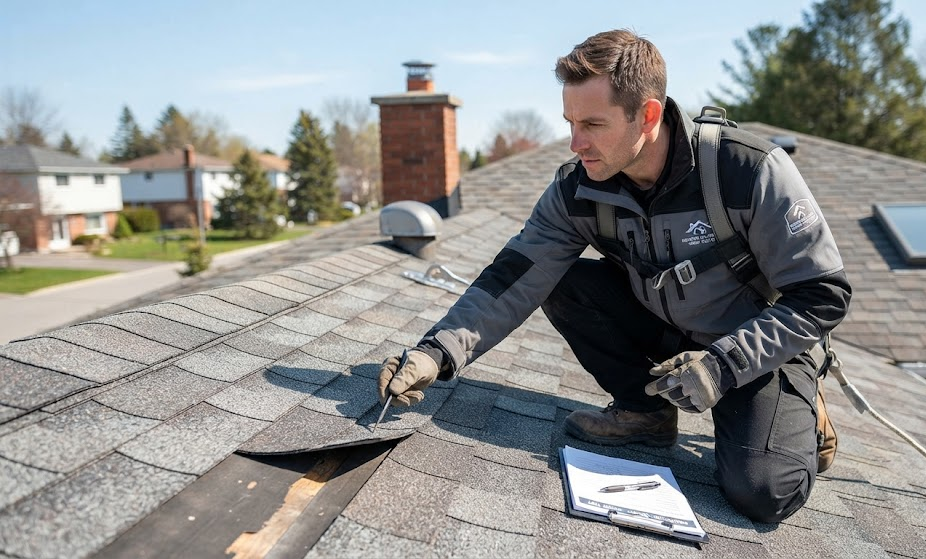
Roof damage is often a silent battleground, waging its war in hidden corners, only to reveal itself when it’s too late. Understanding where these issues typically emerge empowers homeowners to stay ahead of costly repairs. This guide encapsulates the most common areas where roof damage first appears, ensuring you’re equipped to identify and address problems early.
Identify Vulnerable Areas for Early Roof Damage
To effectively protect your home, begin by recognizing the most vulnerable areas where roof damage tends to manifest. By targeting these spots, homeowners can engage in proactive maintenance and timely repairs.
Examine Vent Pipes for Seal Integrity
Vent pipes are notorious entry points for leaks. These structures, frequently found on roofs, serve to vent gas and moisture. If the rubber seals around them crack or fail, water can infiltrate your home.
Common signs of vent pipe leaks include:
- Visible water stains around the base of the pipe.
- Mold growth in the attic or near the vents.
- Increased moisture levels after rainfall.
Inspect Chimneys for Structural Weakness
Chimneys can be deceivingly robust but often harbor issues that lead to significant leaks. They commonly suffer from deteriorated flashing, cracks in the masonry, or issues with the chimney crown.
Watch for these indicators:
- Water stains on ceilings or walls near the chimney.
- Rust forming around metal components.
- Moist patches or discoloration around the chimney area.
Assess Flashing and Skylights for Damage
Flashing and skylights present other prevalent trouble spots. Their vulnerabilities often become apparent during adverse weather conditions, making them prime candidates for leaks.
Spotting Flashing Failures
Flashing serves to seal joints and seams on roofs, particularly around protrusions. When compromised, it can lead to substantial water intrusion.
Key signs of flashing leaks include:
- Cracks or gaps around flashing.
- Rust or corrosion on metal surfaces.
- Sagging in nearby roof sections.
Evaluate Skylight Conditions
While skylights illuminate our homes, they also pose significant leakage risks if not installed correctly. Issues often arise from inadequate sealing or cracks in the materials.
Look for signs of skylight leaks, such as:
- Water stains or damp spots around the skylight frame.
- Condensation on the interior surfaces.
- Pooling water in surrounding areas after rainfall.
Recognize Roof Valleys and Shingle Damage
Roof valleys, where two sections meet, can direct water but also become focal points for leaks if their linings are damaged. Similarly, shingles act as the first line of defense and any damage here can lead to significant problems.
Inspect Roof Valleys
Wear and tear in roof valleys can result from constant water flow, making them particularly susceptible to leaking. Dirty or clogged valleys can exacerbate this issue.
Indicators of valley leaks include:
- Damp patches along the seams.
- Visible staining on interior walls or ceilings beneath valleys.
- Cracks or signs of wear in valley lining.
Check Shingles for Damage
Shingles endure the brunt of harsh weather, and damaged or missing shingles can lead directly to leaks. Wind, hail, or extreme heat can compromise these protective layers.
Watch for signs such as:
- Curled or cracked shingles.
- Missing shingles creating bare patches.
- Water stains visible from inside the home.
Monitor Gutters, Roof Vents, and Dormers
Finally, don’t overlook gutters, roof vents, and dormers when assessing your roof for potential damage. These areas can compound existing issues if not adequately maintained.
Assess Gutter Conditions
Clogged gutters lead to water overflow and pooling near the roof edge, creating risks for leaks. Regular maintenance is necessary to prevent this issue from escalating.
Signs of gutter-related problems include:
- Water overflowing during rain.
- Pooling around the foundation.
- Dampness or mold growth along exterior walls.
Evaluate Roof Vents and Dormers
Improperly sealed roof vents can allow water penetration, while dormers create vulnerable junctions where water can pool. Regular checks are essential to stave off leaks.
To find potential issues, look for:
- Moisture or signs of mold around vents.
- Water stains around dormers.
- Cracked seals or discolored flashing.
Being aware of the common areas where roof damage first appears can significantly reduce the risk of costly repairs in the future. Regular inspections by roofing experts and proactive maintenance are your best allies in preserving your roof’s integrity and ensuring a leak-free home.