
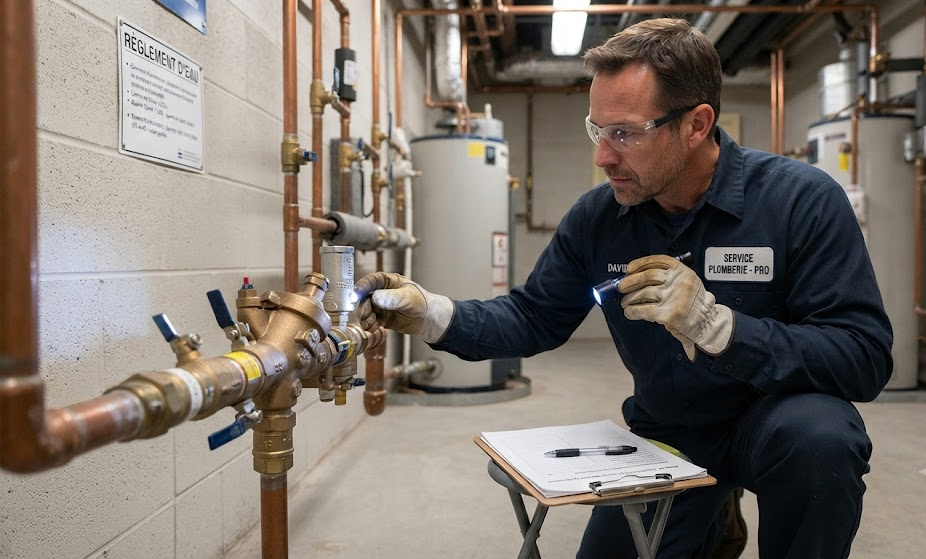
Backflow issues pose a significant risk to the safety of our water supply, making the functionality of backflow preventers vital. Understanding the signs of malfunctioning devices can save your plumbing system and prevent contamination. This article explores key indicators of backflow device problems, essential for maintaining clean water.
Recognizing Signs of Backflow Device Problems
Identifying the signs of backflow device issues is your first defense against costly repairs and unsafe water. Homeowners should regularly inspect their systems to detect potential problems early. Here are the most common indicators of malfunction.
Monitoring Visible Leaks
One of the first signs of trouble is water leaks around the backflow device, which often indicate worn seals or damaged internal components. Be vigilant for:
- Dripping water pools around the device.
- Continuous flow from relief valves.
- Rust or corrosion on metal surfaces.
These symptoms generally require immediate attention to prevent further damage and contamination in your water supply.
Assessing Water Pressure Variations
A sudden drop in water pressure can signal serious internal problems within your backflow preventer. Pressure fluctuations might indicate:
- Blockages or debris in the check valves.
- Compromised seals allowing unwanted backflow.
- Leaks that can lead to system failure.
Monitoring your water pressure is essential; using gauges can help identify these issues before they escalate.
Examining Unusual Noises
Keep an ear out for unexpected plumbing noises like gurgling or hissing, which can indicate air entering the system. Such sounds may point to:
- Backflow situations disrupting normal flow.
- Internal components failing to function properly.
- Issues arising from pressure imbalance.
Investigating the source of these noises promptly can mitigate potential risks to your water quality.
Investigating Internal Device Malfunction
When leaks and pressure issues occur, understanding internal device malfunctions is vital. Each backflow preventer type can show unique symptoms:
- For an RPZ device, intermittent drips may be normal, but constant flow indicates blockages or internal issues.
- Reduced Pressure Zone devices might leak if debris disrupts normal functionality.
- PVB units signify a need for repair if they continuously drip.
A firm grasp of these intricacies can ensure a more effective diagnostic approach to your backflow preventer.
Understanding Environmental Factors
Environmental factors play a significant role in the health of your backflow system. Events like freezing temperatures can lead to:
- Cracked housings or damaged fittings.
- Frozen components that impair functionality.
- Persistent leaks from compromised seals.
Being aware of these influences can guide your preventive measures and maintenance practices.
Implementing Regular Maintenance and Inspections
Adopting a proactive approach can greatly minimize backflow problems. Regular inspections and maintenance should include:
- Monthly checks for visible leaks or corrosion.
- Annual professional evaluations of device integrity.
- Cleaning and replacing worn parts to ensure optimal functioning.
Taking these steps significantly enhances the performance and longevity of your backflow preventers, ultimately protecting your water source.
When to Seek Professional Help
While some issues can be handled through DIY efforts, many signs of backflow device failure necessitate professional intervention. Seek expert assistance if you observe:
- Continuous leaking or severe dripping.
- Sustained drops in water pressure.
- Visible signs of internal corrosion.
Intervening early can help avoid severe issues down the line and ensure that your plumbing maintains a clean water supply.
Advancing Technology for Backflow Prevention
As technology progresses, new advancements in backflow prevention have emerged. These innovations include:
- Smart sensors that monitor systems 24/7.
- Remote testing capabilities for immediate diagnostics.
- Self-cleaning devices designed to reduce manual maintenance.
Adopting these modern solutions can further improve the efficiency and safety of your water supply systems.
Staying Informed and Prepared
Understanding the signs of potential backflow device problems is essential for every homeowner. Just as you would watch over other important aspects of your home, being informed and taking regular action is imperative. A proactive approach, combined with professional help when needed, ensures that you maintain a reliable and safe water supply.