
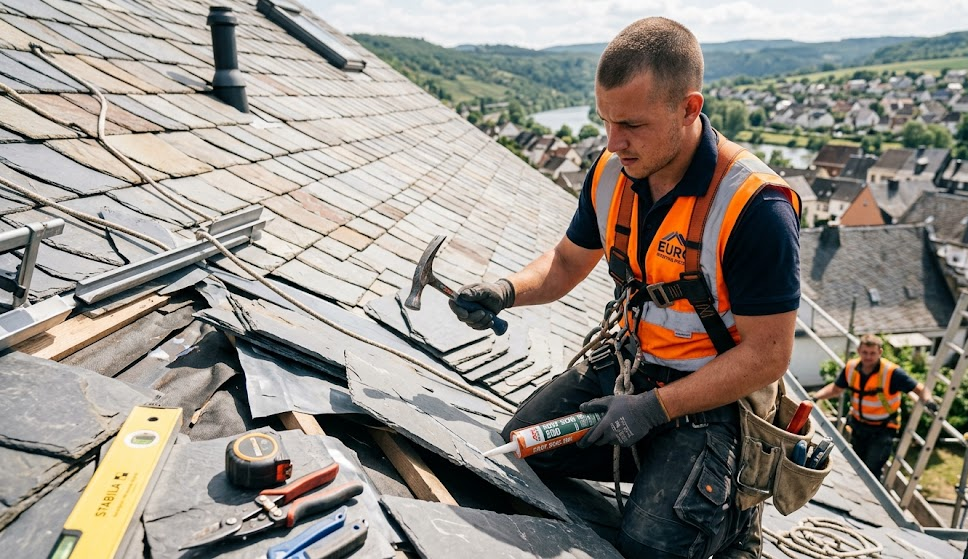
When it comes to professional roof repairs, having the right tools and equipment is essential for ensuring quality and safety. In this article, we’ll explore the must-have tools that every roofing expert needs to efficiently tackle repairs while maintaining high standards. Get ready to elevate your roofing game with the right gear!
Essential Roofing Tools for 2026
As we look towards the future, a few key tools will continue to define the roofing industry. Here’s a look at some of the vital roofing tools every professional should keep in their kit:
- Metal Snips: Perfect for cutting metal sheets or shingles.
- Roofing Hatchets: Essential for driving nails, and trimming shingles.
- Hammer Staplers: Useful for securing underlayment quickly and efficiently.
- Roofing Shovels: Great for tearing off old roofing materials with ease.
- Pry Bars: Ideal for removing nails and old shingles without damaging the roof deck.
- Utility Knives: Handy for making precise cuts on various materials.
- Safety Harnesses: Fundamental for worker safety when operating at heights.
Advanced Equipment for Enhanced Efficiency
While traditional tools remain indispensable, advanced equipment is transforming roofing practices. In 2025, tools like pneumatic roofing nailers and moisture meters provide significant advantages:
Pneumatic Roofing Nailers
These nailers allow roofers to work faster, thanks to their rapid application of nails without the physical exertion required by hand nailing. This tool not only reduces manual effort but also guarantees consistent depth, ensuring a secure hold for shingles.
Moisture Meters
Understanding the moisture content of roofing materials is crucial. Moisture meters help roofers identify potential issues before installation, which can save time and money in repairs down the line.
The Importance of Choosing the Right Roofing Nails
A critical aspect of any roofing project is selecting the appropriate roofing nails. Different materials demand specific types of nails for optimal performance:
- Galvanized Steel: Ideal for asphalt shingles to prevent rusting.
- Stainless Steel: Recommended for coastal areas due to their corrosion resistance.
- Roofing Tacks: Often used for lightweight materials like felt.
Using the correct nails enhances longevity and minimizes the risk of leaks or material displacement. It’s not just about holding shingles in place; it’s about ensuring that the whole structure withstands the test of time and weather.
Maintenance Practices for Roofing Tools
To keep tools performing at their best, regular maintenance is key. A well-maintained tool is less likely to fail and can dramatically increase productivity. Recommended practices include:
- Conducting visual inspections for signs of wear and damage.
- Cleaning tools after each use to prevent build-up and rust.
- Lubricating moving parts to ensure smooth operation.
- Storing tools correctly to avoid damage or loss.
Choosing the Right Roofing Footwear
The importance of appropriate roofing footwear cannot be understated. Safety and comfort are essential when working on steep and uneven surfaces. Essential features to look out for include:
- Toe Protection: Steel-toe boots are non-negotiable for safety.
- Puncture Resistance: Helps in traversing sharp materials.
- Slip Resistance: Reduces the risk of accidents on slick surfaces.
- Lightweight & Breathability: Keeps feet comfortable and reduces fatigue.
Incorporating the right tools and practices into roofing work can lead to superior outcomes, higher productivity, and enhanced safety on the job. Professionals who stay updated with the latest equipment trends are better prepared to tackle the challenges of the industry.
Investing in the right tools and equipment is vital for achieving high-quality roof repairs. Always consult with a professional roofer to ensure you have the best resources and practices at your disposal for a successful project.


