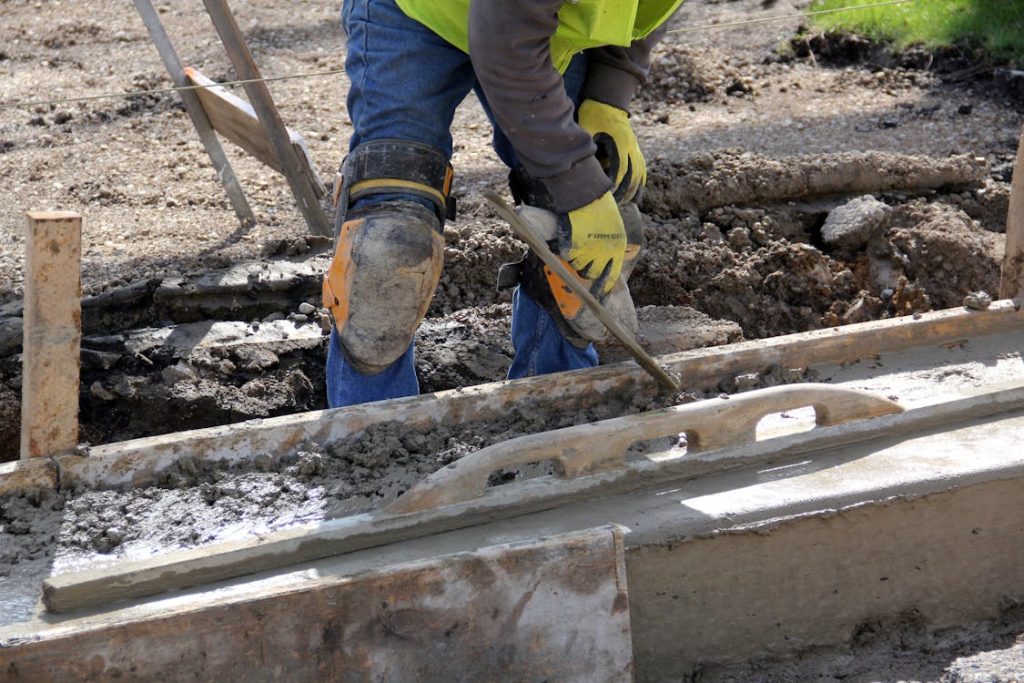
Concrete formwork is a pivotal element in any construction project, laying the groundwork for structural integrity and aesthetics. However, imprecision during formwork setup can lead to a variety of issues that may jeopardize the overall quality of the project. Below, we explore significant mistakes to avoid when working with concrete forms, empowering you with the insights necessary to enhance your construction workflow.
Key Formwork Setup Errors to Avoid
Improper Alignment of Forms
Alignment is crucial when setting up concrete forms. Neglecting to align forms correctly can result in uneven surfaces and structural weak points. Take the time to ensure that all forms are level and squared, checking each corner carefully. Using a laser level can simplify this task and greatly improve accuracy.
Inadequate Bracing
Forms need to be securely braced to withstand the pressure of wet concrete. Without sufficient support, forms may shift or buckle, leading to costly damages. Always check that your bracing systems are robust and verify their stability through all phases of the pouring process.
Material Selection Mistakes
Using Warped or Damaged Materials
Choosing quality materials is essential in formwork construction. Utilizing warped or damaged elements can lead to uneven surfaces and compromise the structural integrity of the finished product. Always inspect materials for warping, bowing, or other defects prior to use, ensuring that you’re working with the best resources available.
Failure to Apply Release Agents
Another common oversight is failing to apply a release agent to the forms. This substance prevents concrete from sticking to the formwork, facilitating a smooth release and preventing damage to both the forms and the concrete. Always remember this critical step as it impacts the final product significantly.
Common Oversights During the Pouring Process
Neglecting Drainage Considerations
Proper drainage planning cannot be emphasized enough. Inadequate drainage can lead to water pooling around forms, causing instability during curing. Ensure that your concrete site has a well-thought-out drainage system in place to maintain the structural integrity of your forms.
Rushing the Curing Process
Curing is vital for the longevity of the concrete structure. Hurrying through this phase can result in brittle and weak concrete. Allow sufficient time for hydration and utilize wet burlap or plastic coverings to retain moisture during the curing period for optimal results.
Safety and Quality Control Practices
Ignoring Safety Protocols
Safety should never take a backseat during formwork construction. Always use the appropriate personal protective equipment (PPE) such as gloves, goggles, and steel-toed boots to guard against accidents. Adhering to safety guidelines fosters a secure working environment and protects you and your team on the job site.
Regular Inspection for Air Pockets
Another best practice is to frequently check for air pockets within the poured concrete. Trapped air can impair the strength of the final product. Tapping the forms after pouring helps release any air bubbles, while a concrete vibrator can effectively eliminate stubborn pockets in hard-to-reach areas.
Establishing Quality Control Measures
Thoroughly Clean Tools and Forms
Post-project cleanliness plays a significant role in maintaining efficiency and longevity in construction tools and forms. Clean tools immediately after use to prevent hardened material from causing issues in future projects. A routine of washing and organizing ensures smooth workflows from one task to the next.
Monitor Form Support During Curing
Maintaining form support isn’t just necessary during the pouring phase; it’s equally important throughout the curing process. Regularly monitor forms to ensure they remain well-supported until the concrete has completely set, as any movement during this time can adversely affect the integrity of the structure.
A successful concrete project lies in meticulous planning and execution of the formwork process. By recognizing and avoiding these common construction mistakes, you can significantly improve the quality of your work and enhance the likelihood of successful outcomes.