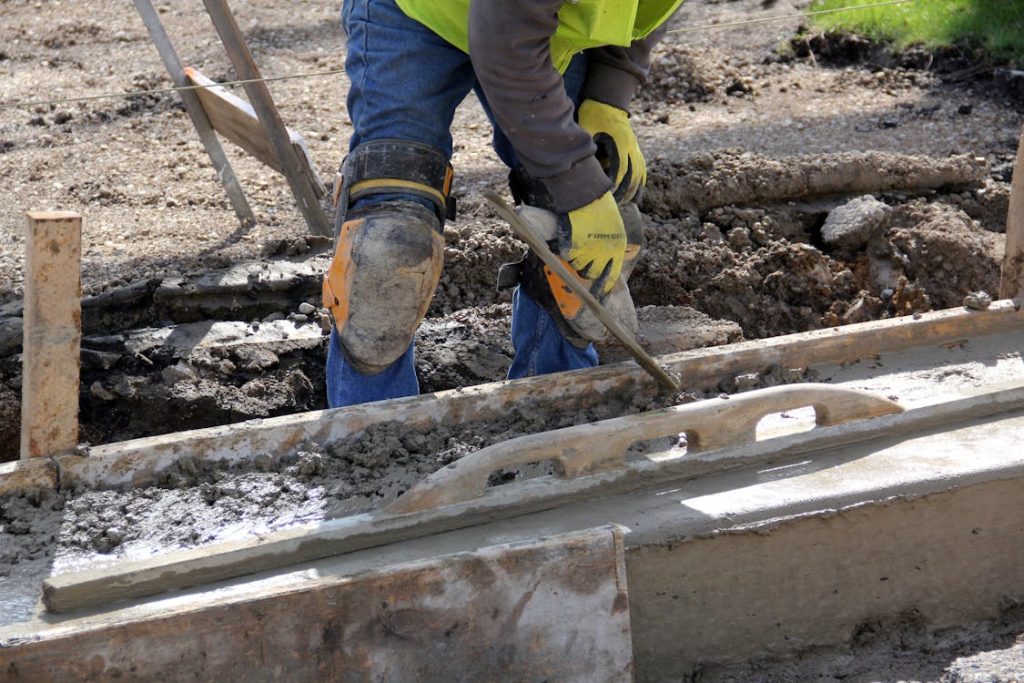
In the construction industry, particularly in high-rise projects, formwork serves as a fundamental component that directly influences overall site efficiency. By optimizing the use of formwork, construction teams can not only reduce costs and time but also enhance safety and quality. Understanding the best practices for formwork construction can lead to significant improvements in workflow, material management, and collaboration among professionals. This article shares essential tips to help maximize efficiency on the construction site, ensuring projects are completed on time and within budget without compromising quality.
Why Optimize Formwork Construction?
In a world where every second counts, formwork management is crucial for the timely and economical completion of construction projects. By adopting efficiency-enhancing strategies, construction professionals can save on costs, reduce labor needs, and enhance overall productivity.
Choosing the Right Formwork Systems
Selection of the optimal formwork system can significantly impact your project’s success. Consider these strategies:
1. Embrace Modular Systems
- Modular formwork systems are designed for effortless assembly and disassembly. This flexibility reduces cycle time and labor costs, making construction faster.
- Such systems contribute to sustainability as they can be repurposed across multiple projects.
2. Standardize Formwork Panels
Standardizing panels for repetitive floor designs can be a game-changer:
- Reduces material wastage.
- Simplifies logistics throughout the project.

Material Management for Efficiency
Efficient material management is fundamental to maximizing formwork efficiency. Here’s how to ensure that you’re making the right choices:
1. Opt for Lightweight Materials
Utilizing materials such as aluminum can greatly enhance site efficiency:
- These materials reduce the need for cranes and heavy machinery, making handling swift and cost-effective.
2. Implement Early Striking Techniques
Using high-early-strength concrete allows for early striking of formwork, which:
- Frees resources to progress on subsequent levels earlier.
Leveraging Technology for Planning
In an era marked by rapid technological advancements, using tools like Building Information Modeling (BIM) can tremendously enhance planning and execution:
- It aids in visualizing formwork layouts, identifying clashes early, and optimizing material usage.
- This proactive approach minimizes delays and reduces costs.
Focus on Safety and Quality
Prioritizing safety and quality is non-negotiable. Regular inspections ensure that everything is up to the highest standards:
- Implement a routine maintenance schedule for formwork systems to mitigate unexpected challenges.
- This vigilance not only promotes safety but also helps avoid costly project delays.
Optimizing Workflows for Smooth Execution
Efficient workflows will dictate the pace of your operation. Implement these tips for seamless construction processes:
1. Just-In-Time Delivery
- Ensure that materials arrive precisely when needed. This approach minimizes storage expenses and waste, and eventually elevates project efficiency.
2. Promote Cross-Functional Collaboration
Effective communication among teams can drastically enhance the efficiency of the whole project:
- Fostering a culture of teamwork among engineers, site managers, and formwork designers is key to driving success.
By focusing on optimized formwork design, sustainable material selections, and efficient workflows, construction professionals can enhance the efficacy of their formwork projects. Implementing these best practices will not only save time and costs but also boost the quality of outcomes. When implementing these strategies, partnering with experts can elevate your formwork solutions to the next level. For further assistance on your formwork requires, consider reaching out to PENINSULA FORMWORK.
It is equally crucial to focus on workflow optimization. Implementing a just-in-time delivery approach ensures that materials arrive only as needed, which can cut down on storage costs and waste. Furthermore, engaging in proactive maintenance and regular inspections of the formwork systems can mitigate unexpected delays and maintain quality throughout the project lifecycle.
Collaboration among on-site teams also plays a vital role in boosting efficiency. Establishing clear communication channels fosters teamwork and shared problem-solving, ensuring that all stakeholders are aligned with the project’s goals. A culture of collaboration not only enhances productivity but also minimizes the chances of misunderstandings that can lead to costly errors.
In summary, by prioritizing innovative forms, carefully selecting materials, optimizing workflows, and fostering collaboration, construction professionals can create a more efficient and sustainable construction environment. These strategies are not just beneficial for the current project but can also set a precedent for future endeavors, leading to long-term improvements in site efficiency.